Christianity
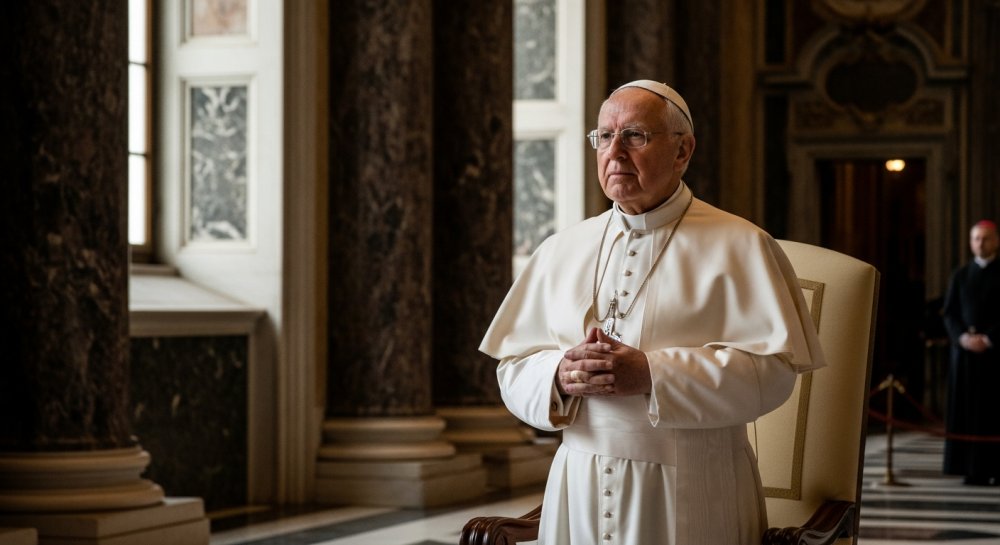
Pope Leo XIV Stands Firm Against Presidential Pressure

Clear Facts
- Pope Leo XIV issued a direct response to recent criticism from President Donald Trump, stating he has “no fear” of potential consequences
- The exchange marks an escalation in tensions between the Vatican and the Trump administration over policy differences
- Trump had previously criticized Christian leaders in remarks that drew sharp responses from religious communities
Pope Leo XIV has delivered a resolute response to President Donald Trump’s latest criticism, declaring he remains unshaken by pressure from the White House. The pontiff’s statement comes amid growing tensions between the Vatican and the current administration over fundamental policy disagreements.
“I have no fear,” the Pope stated in his response, maintaining the Vatican’s independent stance on matters of faith and moral teaching. The direct nature of the papal response signals a significant moment in the relationship between the Catholic Church and the American presidency.
The exchange began when President Trump directed sharp criticism toward Christian leaders, including specific remarks aimed at the Pope’s positions on immigration and traditional family values. Trump’s comments questioned the consistency of certain religious leaders’ teachings with conservative American principles.
Vatican observers note this confrontation represents a rare public disagreement between a sitting American president and the leader of the Catholic Church. Historically, U.S. presidents have maintained diplomatic relations with the Vatican regardless of policy differences.
Conservative Catholics in America find themselves navigating complex territory as both the Pope and the President command significant respect within their communities. Many traditionalist Catholics have expressed concern about certain Vatican positions while maintaining loyalty to the institutional Church.
The Pope’s unwavering response demonstrates the Vatican’s commitment to maintaining its independence from political pressure, even from the leader of the world’s most powerful nation. This stance reflects centuries of Catholic teaching on the separation between spiritual authority and temporal governance.
Religious freedom advocates across the political spectrum have noted the importance of maintaining respectful dialogue between government and religious institutions. The current tensions raise questions about the proper boundaries between church and state in contemporary American politics.
Trump’s criticism of Christian leaders has drawn mixed reactions from conservative evangelicals and Catholics who form a significant portion of his political base. Some supporters defend the President’s right to question religious leaders on policy matters, while others urge more diplomatic engagement.
The Vatican has not indicated any plans to alter its positions in response to political pressure. Church officials emphasize that papal teaching derives from theological principles rather than political calculations.
This confrontation underscores broader questions about the role of religious institutions in American public life and the appropriate relationship between political and spiritual leadership. As both figures maintain their positions, the disagreement highlights fundamental questions about authority, tradition, and principle in modern governance.
Let us know what you think, please share your thoughts in the comments below.
