Politics
Why House Members Can’t Win Back Home

Clear Facts
- Three sitting House members have lost gubernatorial primary races in recent months, despite federal name recognition
- Representatives Nancy Mace, Jasmine Crockett, and Chip Roy were all defeated in statewide primary contests
- Political analysts point to disconnect between Washington profiles and home-state voter priorities
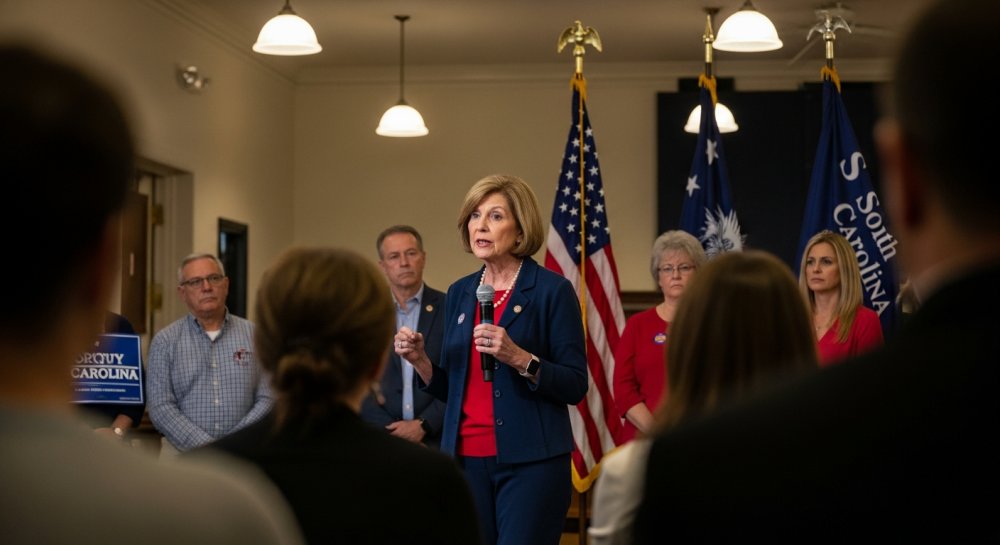
A troubling pattern has emerged for congressional representatives attempting to climb the political ladder: federal fame doesn’t translate to statewide victory. In a series of surprising defeats, three House members have crashed in gubernatorial primaries despite their Washington prominence.
Representatives Nancy Mace of South Carolina, Jasmine Crockett of Texas, and Chip Roy of Texas all sought their states’ highest offices. All three failed to advance beyond their respective primaries, raising questions about the value of a congressional seat as a launching pad for statewide ambitions.
Enjoying my first cup of coffee since getting my ass kicked last night, and reading about how Dems nominated the guy with the nazi tattoo.
— Nancy Mace (@NancyMace) June 10, 2026
The defeats underscore a fundamental disconnect in American politics. While these lawmakers built substantial profiles in Washington through committee work, media appearances, and social media followings, voters back home remained unmoved. State-level concerns often diverge sharply from the national culture war battles that dominate congressional headlines.
Nancy Mace, known for her outspoken positions on national issues and frequent cable news appearances, couldn’t overcome local concerns about South Carolina governance. Her congressional brand, built largely on federal controversies, failed to resonate with primary voters focused on state-specific challenges.
Chip Roy’s loss in Texas particularly surprised political observers. Despite his strong conservative credentials and high profile among national Republicans, Texas primary voters opted for candidates with deeper roots in state politics and clearer connections to local concerns.
Jasmine Crockett’s defeat in Texas followed a similar pattern. Her rising national profile and media presence couldn’t compensate for what primary voters perceived as insufficient attention to Texas-specific priorities.
The pattern reveals a harsh reality for ambitious House members: Washington celebrity can actually become a liability. Voters increasingly view congressional service as evidence of detachment from state concerns rather than preparation for gubernatorial leadership.
Traditional political wisdom held that federal office provided name recognition advantages in statewide races. These recent defeats suggest that calculation no longer holds. In an era of heightened voter skepticism toward Washington, congressional service may signal the wrong kind of experience.
The losses also highlight the growing gap between national political narratives and local governance priorities. While House members focus on federal policy battles and partisan positioning, gubernatorial primary voters seek candidates committed to education funding, infrastructure, and state budget management.
Political strategists note that successful statewide candidates increasingly emerge from state legislatures, governorships of neighboring states, or business backgrounds rather than Congress. The federal-to-state pipeline appears increasingly clogged.
For House members eyeing advancement, the message is clear: national profiles built on cable news appearances and social media feuds don’t impress voters choosing state leadership. Authentic connection to local concerns matters more than Washington recognition.
The phenomenon affects both parties equally, suggesting structural rather than ideological causes. Whether progressive or conservative, House members struggle to translate congressional relevance into statewide electoral appeal.
These defeats may reshape congressional career calculations. Representatives seeking advancement may need to prioritize state-level engagement over national media exposure, a significant shift from current incentive structures.
Let us know what you think, please share your thoughts in the comments below.
