Science & Tech
Surveillance Firm Quietly Deploys Second Tracking System Beyond License Plate Cameras

Clear Facts
- Flock Safety, known for automated license plate readers, operates a separate audio surveillance network called Raven that detects and records gunshot-like sounds across neighborhoods
- The system automatically alerts law enforcement to potential gunfire while storing audio data that privacy advocates warn could capture private conversations
- Over 500 cities have deployed Flock’s surveillance technology with minimal public debate about privacy implications
While Americans debate the privacy implications of automated license plate readers, a major surveillance company has quietly deployed a second tracking system that raises even more troubling questions about government monitoring.
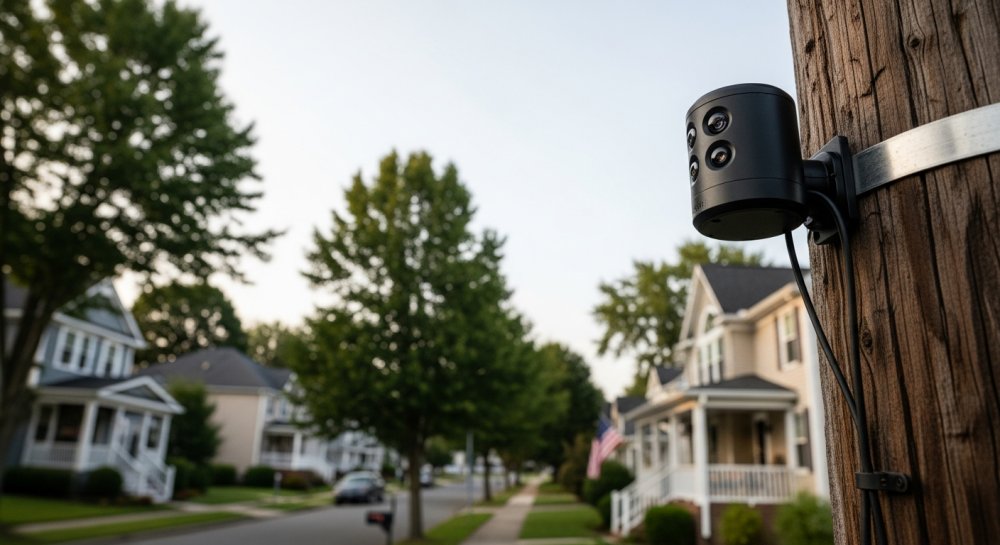
Flock Safety, the Atlanta-based firm behind thousands of license plate cameras nationwide, operates an audio surveillance network called Raven. The system uses sensitive microphones to detect gunshot-like sounds and automatically alert police departments.
Remember when everyone was told Flock was “just reading license plates”?
Anyway, here’s Flock Alpha, the autonomous drone.
It only flies 60 mph, launches itself, streams thermal video, can be flown from a cops phone and reads your license plate from 2,000 feet. Good stuff. pic.twitter.com/7Swhu8jTOn
— Champagne Joshi (@JoshWalkos) July 23, 2026
A lesser-known tech company called Axon is giving Flock a run for its money when it comes to installing license plate-reading cameras powered by artificial intelligence (AI) into streetlights in the name of “public safety.”
Axon is behind the “Axon Lightpole” — which uses… pic.twitter.com/sOrByXIJhR
— Daily Caller (@DailyCaller) July 22, 2026
Flock cameras now log approximately 20 BILLION vehicle scans every month. That’s not targeted policing of bad guys. That’s mass collection and surveillance – not safety.
STOP THE FLOCK. pic.twitter.com/4CSZyGXiwf
— Rep. Scott Perry (@RepScottPerry) July 23, 2026
The technology builds on Flock’s original business model of installing automated license plate readers in neighborhoods and selling access to law enforcement. But Raven takes surveillance a step further by continuously monitoring the soundscape of American communities.
“These microphones are capturing far more than just gunshots,”
one privacy researcher told investigators.
“They’re recording conversations, private moments, everything within earshot.”
Flock Safety markets Raven as a public safety tool that helps police respond faster to gun violence. The company claims the system only triggers when detecting specific acoustic signatures associated with firearms.
However, civil liberties organizations warn that audio surveillance presents unique privacy risks compared to cameras. Unlike license plates photographed in public, sound travels through walls and captures activities inside homes and private property.
The deployment of Raven has occurred with little public input in many communities. City councils often approve Flock contracts through routine procurement processes without dedicated hearings on surveillance policy.
More than 500 cities nationwide have adopted some form of Flock technology, creating an interconnected surveillance network that tracks vehicles and sounds across municipal boundaries. Law enforcement agencies can share data between jurisdictions, expanding the reach beyond individual communities.
Constitutional scholars have raised Fourth Amendment concerns about warrantless audio surveillance in residential areas. Traditional wiretapping requires court approval and probable cause, protections that may not apply to Flock’s continuous monitoring system.
Flock Safety has emphasized its commitment to privacy safeguards, including data retention limits and encryption. The company states that Raven only records brief audio clips triggered by gunshot detection algorithms.
Critics counter that any mass surveillance system creates risks of abuse, mission creep, and chilling effects on lawful behavior. They point to historical examples of government monitoring programs expanding beyond original justifications.
The rapid adoption of Flock’s surveillance tools reflects broader trends in law enforcement technology. Departments facing budget constraints and staffing shortages increasingly turn to automated systems as force multipliers.
But unlike traditional policing methods subject to democratic oversight, private surveillance companies operate with limited transparency. Flock’s contracts often include confidentiality provisions that restrict public disclosure of system capabilities and limitations.
Second Amendment advocates have also expressed concerns about audio surveillance targeting lawful gun owners. Recording firearms use on private property could create databases of gun ownership without the due process protections of traditional registries.
As Flock expands its surveillance ecosystem, questions mount about who controls the data, how long it’s retained, and what safeguards prevent misuse. The company’s rapid growth has outpaced regulatory frameworks designed for traditional law enforcement tools.
Communities considering Flock contracts face difficult tradeoffs between public safety benefits and privacy costs. Those decisions carry lasting implications for American liberty in an age of pervasive surveillance technology.
Let us know what you think, please share your thoughts in the comments below.

Sarah
July 24, 2026 at 1:45 pm
Great