Politics
Trump Announces Naval Blockade and Transit Fee in Strait of Hormuz

Clear Facts
- President Trump has announced a 20% fee on all ships transiting the Strait of Hormuz
- The administration is reinstating a full naval blockade on Iran
- The Strait of Hormuz is a critical waterway through which approximately one-fifth of global oil supplies pass
President Donald Trump has announced sweeping new measures targeting Iran and international shipping through one of the world’s most strategic waterways. The administration will impose a 20% fee on vessels transiting the Strait of Hormuz while simultaneously reinstating a full naval blockade on the Islamic Republic.
The Strait of Hormuz represents a critical chokepoint for global energy markets, with roughly 21 million barrels of oil passing through the narrow waterway daily. The new policy marks a significant escalation in the administration’s maximum pressure campaign against Tehran.
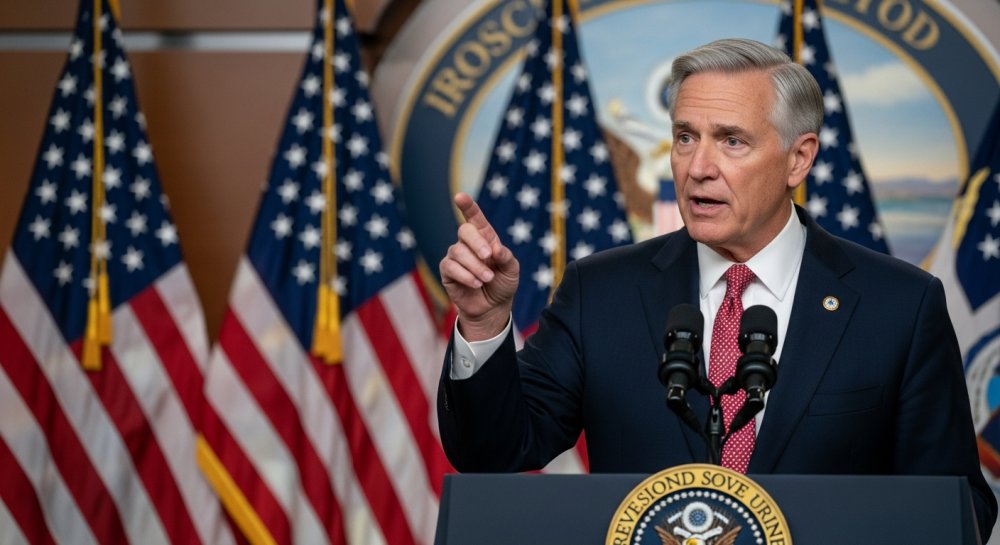
.@POTUS on Iran: "It was a done deal, and then they broke it. They always break it. We've had 10 deals with these people — and so we're just going to hit them very hard… They're a bad group of people. They've been this way for a long time." pic.twitter.com/7Ye70MrxN8
— Rapid Response 47 (@RapidResponse47) July 13, 2026
The dual announcement signals a major shift in U.S. policy toward both Iran and international maritime commerce. The transit fee would effectively create a toll system on one of the world’s most vital shipping lanes, generating substantial revenue while asserting American control over the strategic passage.
Naval experts note that enforcing such a blockade would require substantial military resources and coordination. The U.S. Fifth Fleet, based in Bahrain, maintains a constant presence in the region and would likely take the lead in implementing these new measures.
The announcement comes amid ongoing tensions between Washington and Tehran over Iran’s nuclear program, regional activities, and support for proxy forces throughout the Middle East. Previous attempts at Iranian blockades during past administrations have faced significant diplomatic and operational challenges.
International shipping companies and energy markets will be closely monitoring implementation details, including how the fee structure will work and what exemptions, if any, might apply. The policy could have far-reaching implications for global oil prices and supply chains.
Iran has previously threatened to close the Strait of Hormuz in response to sanctions or military pressure, though such threats have not been carried out. The new U.S. measures effectively reverse the dynamic, with Washington now controlling access to the waterway.
Let us know what you think, please share your thoughts in the comments below.

michael j hutson
July 20, 2026 at 6:40 am
I personally believe that charging tolls will help Iran eventually, we cannot sustain a long-term position in the Straights. Eventually Iran will be able to take the straights back, not militarily but politically. By then the tolls will become permanent, and Iran will profit from it.
If we use the toll money to subsidize building a pipeline around the Straights, I believe this could eventually lead to a somewhat permanent solution to the crisis. Eventually Iran will take out this new pipeline with missiles or drones. We should make sure the present form of government in Iran is permanently gone. Religious zealots have no permanent place in running the country and their armies and secret police be disbanded.