Politics
Election Integrity Advocates Regroup After Supreme Court Setback

Clear Facts
- The Supreme Court ruled in Watson v. RNC that states can count non-military mail-in ballots received days or weeks after polls close
- The ruling came on the same week as America’s 250th anniversary celebration
- Election integrity supporters are reassessing their strategy following this major legal setback
As America marked its 250th anniversary this Saturday, election integrity advocates faced one of their toughest weeks in recent memory. The Supreme Court delivered a significant blow to efforts aimed at tightening ballot security measures.
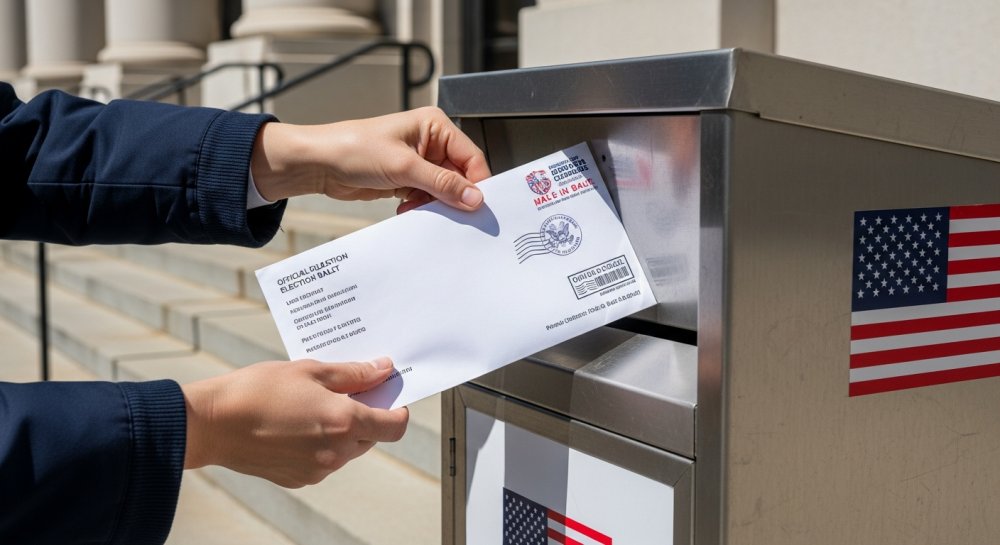
In a landmark decision Monday, the Court ruled in Watson v. RNC that individual states maintain the authority to count non-military mail-in ballots that arrive days—or even weeks—after Election Day polls have closed. The ruling represents a major setback for those who have long argued that extending ballot deadlines beyond Election Day undermines the integrity of American elections.
My statement on the decision in the Mississippi ruling before the Supreme Court should highlight for you the difference between conservatives and the far left liberals that run today’s Democrat party:
While I disagree with Justice Roberts and Justice Barrett joining the three…
— Governor Tate Reeves (@tatereeves) June 29, 2026
The decision comes at a critical juncture for the conservative movement’s push to strengthen election procedures nationwide. Over the past several years, Republicans have championed legislation requiring stricter voter identification, limiting mail-in voting windows, and ensuring ballots are counted only if received by Election Day.
Critics of extended ballot deadlines argue that allowing votes to trickle in after polls close creates opportunities for confusion, delays final results, and potentially opens the door to irregularities. Supporters of the Court’s decision maintain that it protects voter access and accounts for postal service delays beyond voters’ control.
The ruling in Watson v. RNC affects how states administer their elections and could influence voter turnout strategies in upcoming contests. Several battleground states have implemented extended ballot receipt deadlines in recent election cycles, a practice that has drawn intense scrutiny from Republican lawmakers and conservative legal groups.
Following Monday’s decision, election integrity organizations are now regrouping to determine their next steps. Some are focusing their efforts on state-level legislative reforms, while others are exploring alternative legal strategies to address concerns about ballot security and election administration.
The timing of the Supreme Court’s ruling—during the week of America’s semiquincentennial celebration—has not been lost on conservatives who view secure elections as foundational to the nation’s democratic principles. Many see the fight for election integrity as essential to preserving the republic’s future for the next 250 years.
State legislatures controlled by Republicans are expected to continue pursuing reforms within the boundaries established by the Court’s decision. These efforts will likely focus on improving ballot tracking systems, enhancing signature verification processes, and strengthening chain-of-custody protocols for mail-in votes.
Let us know what you think, please share your thoughts in the comments below.
