Politics
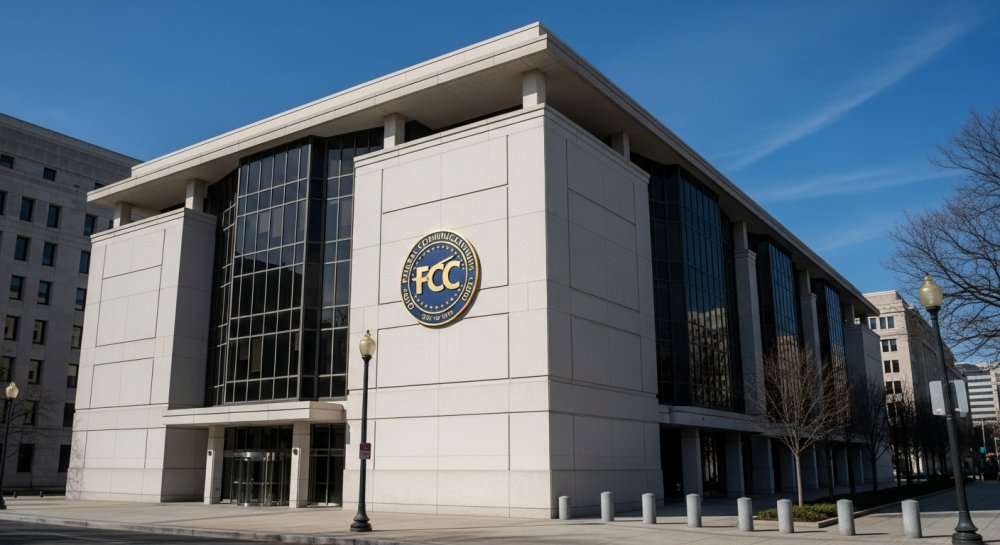
Federal Communications Commission Turns Attention to Disney Broadcasting Practices

Clear Facts
- The Federal Communications Commission is reportedly examining Disney’s ABC broadcast licenses
- Concerns center on partisan content being distributed over public airwaves
- Questions have been raised about whether network programming has crossed from news commentary into political advocacy
The Federal Communications Commission has reportedly begun scrutinizing Disney’s use of broadcast airwaves, with particular attention being paid to daytime programming that critics argue has transformed public spectrum into a platform for partisan political messaging.
Disney operates ABC through broadcast licenses granted by the FCC, which regulates use of the public airwaves. These licenses come with obligations to serve the public interest, a standard that has historically included fairness and balance in news programming.
The examination reportedly focuses on whether certain ABC programming has crossed the line from protected political speech into coordinated political advocacy that may violate broadcast standards. Critics have long argued that some daytime talk shows have functioned more as political operations than traditional entertainment or news programming.
Public airwaves remain a limited and valuable resource owned by the American people. Broadcasting licenses are granted with the understanding that licensees will use this public resource responsibly and in the public interest, not as instruments of political propaganda.
The FCC review comes as Americans increasingly question the role of legacy media organizations in shaping political discourse. Polls consistently show trust in mainstream media at historic lows, with majorities of Americans believing news organizations operate with political bias rather than objectivity.
Broadcasting regulations have long distinguished between cable networks, which operate on private infrastructure, and broadcast networks, which use public spectrum. This distinction has traditionally meant broadcast networks face higher standards for balance and public service.
Disney has not publicly commented on the reported FCC examination. The company holds multiple broadcast licenses across the country for ABC-affiliated stations in major markets.
Any FCC action would likely face legal challenges and political scrutiny. However, the commission’s authority to review license compliance and enforce broadcast standards is well-established in communications law.
The outcome of this reported examination could have significant implications for how broadcast networks approach political content, particularly during election cycles when partisan messaging becomes most intense.
Let us know what you think, please share your thoughts in the comments below.
