U.S. News
Trump Administration Unveils Bold Infrastructure Move That Could Cut Your Power Costs

Clear Facts
- Transportation Secretary Sean Duffy announced America’s Great Corridors of Commerce (AGCC) on August 26, proposing to lease highway and railroad land for power transmission lines
- The plan aims to accelerate transmission infrastructure construction by utilizing existing federal transportation corridors
- The administration claims the initiative could lower electricity bills for American consumers by reducing transmission costs and expanding power grid capacity
The Trump administration has launched an ambitious infrastructure initiative that could deliver real savings to American households struggling with rising energy costs. Transportation Secretary Sean Duffy unveiled the America’s Great Corridors of Commerce (AGCC) program, a creative approach to expanding America’s power grid without the regulatory delays that have plagued similar projects for decades.
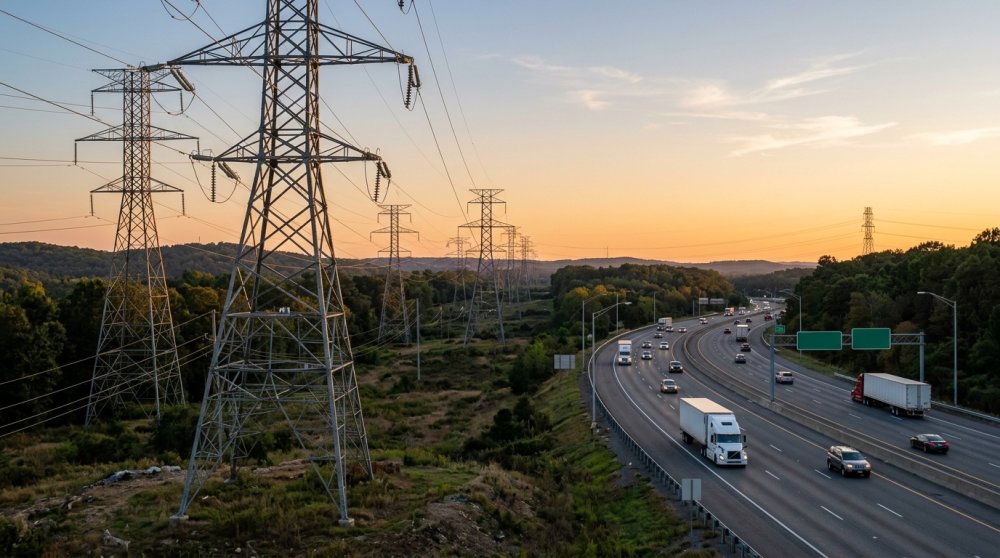
The concept is straightforward: lease federal highway and railroad rights-of-way to private companies for constructing new power transmission lines. By utilizing land already controlled by the federal government along existing transportation corridors, the plan bypasses many of the lengthy permitting battles and land acquisition challenges that typically stall energy infrastructure projects.
Secretary Duffy emphasized the dual benefits of the program in his August 26 announcement. Not only would it accelerate critical grid expansion needed to meet America’s growing energy demands, but it could also generate revenue for transportation infrastructure while potentially reducing costs for consumers.
The initiative represents a market-driven solution to a problem that has hampered American energy independence and reliability. Current transmission infrastructure is aging and inadequate, contributing to grid vulnerabilities and regional price disparities. By streamlining the path to new construction, AGCC could help stabilize and potentially lower electricity costs across the nation.
Private companies would compete for leases, bringing capital investment without requiring massive new federal spending. The competition for these corridors could also drive innovation in transmission technology and efficiency, further benefiting American consumers and businesses.
This approach aligns with conservative principles of leveraging private sector expertise and capital while maximizing the value of existing federal assets. Rather than expanding government control over energy infrastructure, the plan creates opportunities for free-market competition to deliver results.
The program faces potential opposition from environmental groups and state regulators who may resist federal authority over transmission siting. However, the use of already-developed transportation corridors minimizes additional environmental impact compared to clearing entirely new paths through undeveloped land.
For American families watching their utility bills climb, the AGCC initiative offers a tangible path to relief through expanded capacity and improved efficiency. The success of this program could serve as a model for other infrastructure challenges where creative use of federal assets can unlock private sector solutions.
Let us know what you think, please share your thoughts in the comments below.
