U.S. News
North Carolina Mother Faces Legal Battle After Questioning Local Government’s Data Center Dealings

Clear Facts
- A North Carolina mother is being sued by her local government after requesting public records about data center development deals
- The woman sought information about tax incentives and agreements made between local officials and data center companies
- Local governments are increasingly partnering with tech companies to build massive data centers, often involving significant tax breaks and infrastructure commitments
A dispute over public transparency has landed a concerned North Carolina citizen in court after she attempted to access government records regarding data center development in her community. The legal action raises questions about government accountability and citizens’ rights to information about deals that could impact their local area for decades.
The mother, a longtime resident of her community, submitted public records requests seeking details about agreements between local officials and data center companies. These facilities, which house the massive server infrastructure that powers cloud computing and artificial intelligence, have become increasingly common across the United States as tech companies expand their operations.
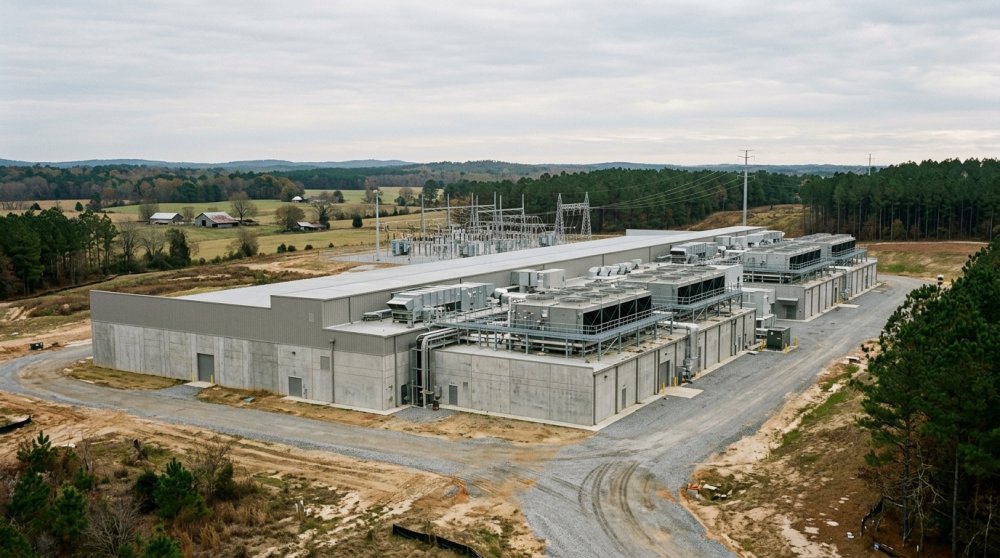
Data centers typically require substantial infrastructure investments, including enhanced electrical grids, water systems for cooling, and upgraded roads to accommodate construction and ongoing operations. Local governments often offer significant tax incentives to attract these projects, citing potential job creation and economic development benefits.
Critics of these arrangements argue that the deals frequently involve long-term tax abatements that shift the burden onto other taxpayers while providing fewer direct benefits to communities than promised. The facilities themselves generally employ relatively few workers once operational, despite their massive physical footprint and resource consumption.
The decision to pursue legal action against a citizen exercising their right to request public information has drawn attention to the balance between government transparency and the interests of private companies seeking favorable development terms. Public records laws exist specifically to allow citizens to scrutinize how their elected officials conduct business on their behalf.
Many communities across the country have experienced tension over data center development, with residents questioning whether the promised benefits materialize while watching their local infrastructure strained by the facilities’ enormous energy and water demands. Some data centers consume as much electricity as tens of thousands of homes.
The case highlights growing concerns about how local governments handle major economic development deals and whether adequate public input and oversight occur before officials commit taxpayer resources to long-term agreements with private corporations. Traditional American principles of government accountability and transparency depend on citizens’ ability to access information about official actions.
As artificial intelligence and cloud computing continue expanding, the demand for data center space is projected to increase dramatically in coming years. Communities nationwide will face similar decisions about whether to pursue these projects and on what terms, making the questions of transparency and public participation increasingly relevant.
The outcome of this legal dispute could have implications for how other communities handle similar requests for information and whether citizens can effectively monitor their local government’s decision-making processes regarding major development projects.
Let us know what you think, please share your thoughts in the comments below.

Mike
September 3, 2026 at 8:11 pm
Maybe if you’d bothered to get basic details you left out of this “news article,” like the woman’s and local government’s names, you would know it was a Little Rock woman and is taking place in Arkansas, not a North Carolina.