World News
Iranian Navy Confronts U.S. Vessels in Strategic Chokepoint

Clear Facts
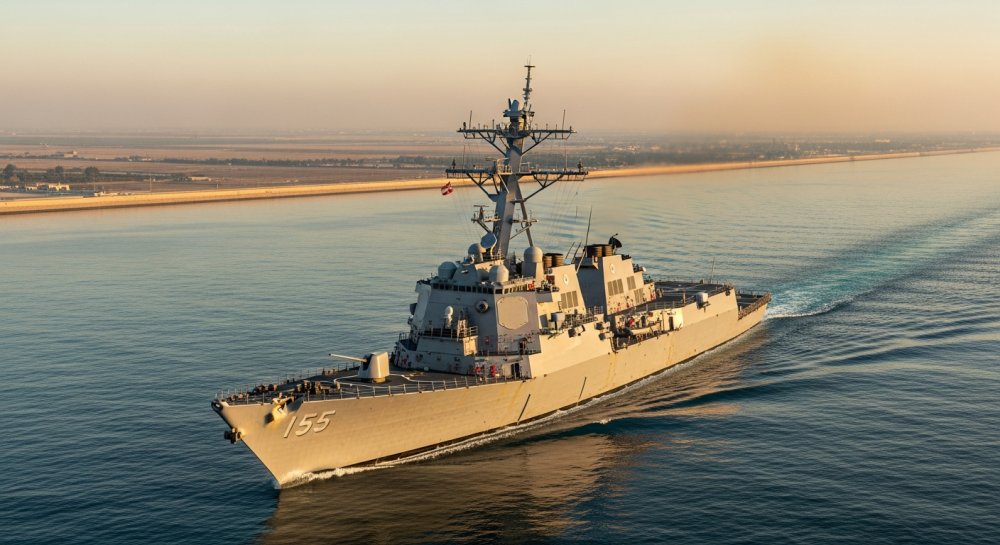
- Iranian naval forces conducted aggressive maneuvers near U.S. military vessels in the Strait of Hormuz
- The Strait of Hormuz is a critical waterway through which approximately 21% of global petroleum passes
- This incident marks the latest in a pattern of Iranian provocations in international waters
Iranian naval forces have once again engaged in dangerous maneuvers in the Strait of Hormuz, challenging American military presence in one of the world’s most strategically important waterways. The confrontation underscores the ongoing tension between the United States and the Islamic Republic in a region vital to global energy security.
The Strait of Hormuz serves as the primary shipping channel between the Persian Gulf and the Gulf of Oman, making it an indispensable artery for international commerce. Any disruption to traffic through this narrow passage would have immediate and severe consequences for global oil markets and the broader economy.
Iranian Revolutionary Guard Corps naval units have developed a pattern of harassing American vessels and those of our allies in these international waters. These provocative actions represent a clear attempt to assert dominance over a waterway that international law designates as open to all nations.
The United States maintains a consistent naval presence in the region to ensure freedom of navigation and protect commercial shipping from interference. American forces operate under established rules of engagement designed to protect U.S. personnel while avoiding unnecessary escalation.
Tehran’s increasingly aggressive posture in the strait reflects the regime’s broader strategy of challenging American influence in the Middle East. Iranian leadership views control of this chokepoint as leverage in negotiations and a tool for projecting power throughout the region.
Military analysts note that these confrontations carry significant risk of miscalculation that could spark a wider conflict. The close quarters and high-stakes environment create conditions where a single mistake could have catastrophic consequences.
U.S. Central Command has documented numerous instances of unsafe and unprofessional conduct by Iranian naval forces over recent years. These incidents include high-speed approaches, crossing bow patterns, and failure to respond to standard maritime communications.
The Biden administration faces continued challenges in formulating an effective response to Iranian aggression that protects American interests without triggering broader military engagement. Critics argue that inconsistent messaging and failed diplomatic overtures have emboldened Tehran.
American allies in the region, including Saudi Arabia and the United Arab Emirates, watch these developments closely as they depend on U.S. commitment to maintaining open shipping lanes. The credibility of American security guarantees rests partly on the ability to counter Iranian intimidation tactics.
Former military commanders emphasize that maintaining freedom of navigation requires not just presence but also the willingness to enforce international norms when challenged. Passive responses to aggression can invite further provocations and undermine deterrence.
The economic implications extend far beyond the immediate region. Global energy markets remain sensitive to any threat of supply disruption, with even temporary closures of the strait capable of triggering price spikes that would impact American consumers.
Iran’s theocratic regime has repeatedly threatened to close the Strait of Hormuz in response to international sanctions or military pressure. While executing such a closure would prove difficult and carry severe costs for Iran itself, the threat alone serves as a form of strategic leverage.
The situation demands vigilance and a clear-eyed assessment of Iranian capabilities and intentions. Appeasement has historically failed to moderate the regime’s behavior, while strength and resolve have proven more effective in establishing boundaries.
As tensions continue, the fundamental question remains whether the United States will maintain its traditional role as guarantor of international maritime security or allow hostile powers to dictate terms in critical waterways. The answer will shape not only Middle East dynamics but global perceptions of American power and resolve.
Let us know what you think, please share your thoughts in the comments below.

mr bob
April 20, 2026 at 6:53 am
FAKE NEWS….
I can not find any credible news source that corroborates this story.
In reality the US navy would simply sink any IRAN Navy vessels who confront them.
FAKE NEWS…. do not believe it.