Science & Tech
Shroud of Turin’s Secrets Revealed in Stirring Easter Expert Interview

Clear Facts
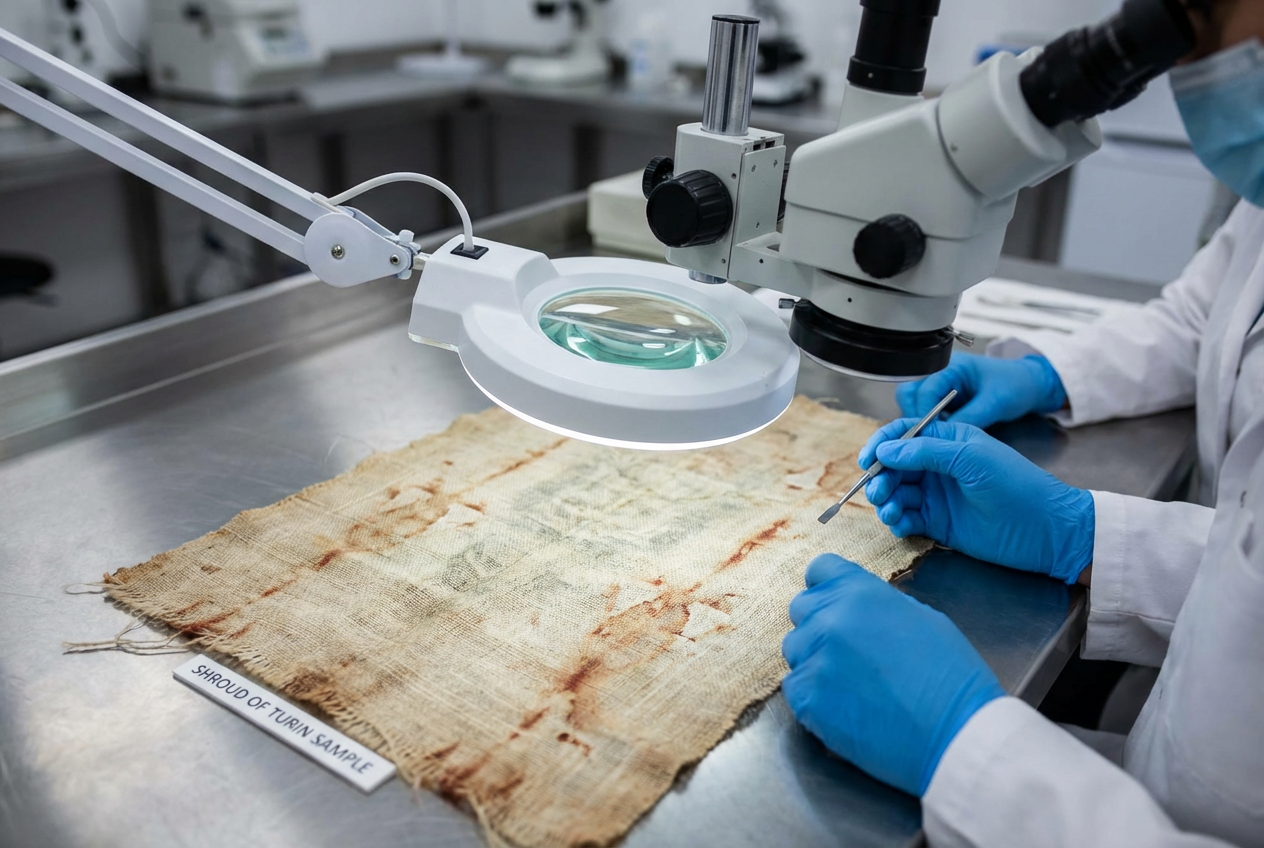
- The Shroud of Turin is the most analyzed artifact in the world, having undergone thousands of hours of rigorous scientific testing.
- Scientists discovered the linen contains no paint, ink, dye, or pigments, indicating the image was not created by an artist.
- Detailed blood chemistry revealed 13 components, including hemoglobin and serum albumin, consistent with actual trauma wounds.
The Shroud of Turin remains a powerful symbol of faith for millions of believers who view it as the actual burial cloth of Jesus Christ.
Experts note that interest in the linen has reached an all-time high as modern technology continues to explore its mysterious properties.
National expert Russ Breault explains that the 14-foot-long linen acts as a “gospel written on linen,” filling in graphic details of the crucifixion that Scripture often leaves understated.
“The Shroud perfectly reflects everything that happened to Jesus according to the written record.”
Scientific analysis shows the image is purely superficial, affecting only the top 1% of the thread, which defies any known artistic explanation or process.
“The blood had soaked into the cloth before image formation. This makes sense if we assume the Shroud is the authentic burial cloth of the historical Jesus.”
Modern believers often find that the Shroud magnifies the reality of the sacrifice made at the Cross by showing the full extent of the scourging and crown of thorns.
Let us know what you think, please share your thoughts in the comments below.

Budzy KTZ
April 12, 2026 at 10:12 am
The shroud has been authentically dated as coming from around the 14th or 15th centuries. The cloth itself is NOT 2000+ years old. Period. Just another piece of gamesmanship by the Church.