Politics
Rubio secures Arctic stronghold against Chinese ambitions

Clear Facts
- Secretary of State Marco Rubio secured a permanent U.S. military agreement with Denmark covering Greenland that blocks non-NATO commercial and military presence.
- The deal grants Washington authority over foreign investment screening, overflight rights, missile defense access, and unrestricted undersea passage in Greenland’s territorial waters.
- Following diplomatic pressure, a Panamanian court terminated a Chinese-operated contract for container terminals at both ends of the Panama Canal on constitutional grounds.
Secretary of State Marco Rubio has completed a diplomatic campaign stretching from Panama to Greenland and now Iceland.
His efforts focus on preventing China from gaining control of strategic sea lanes that are becoming navigable as Arctic ice recedes.
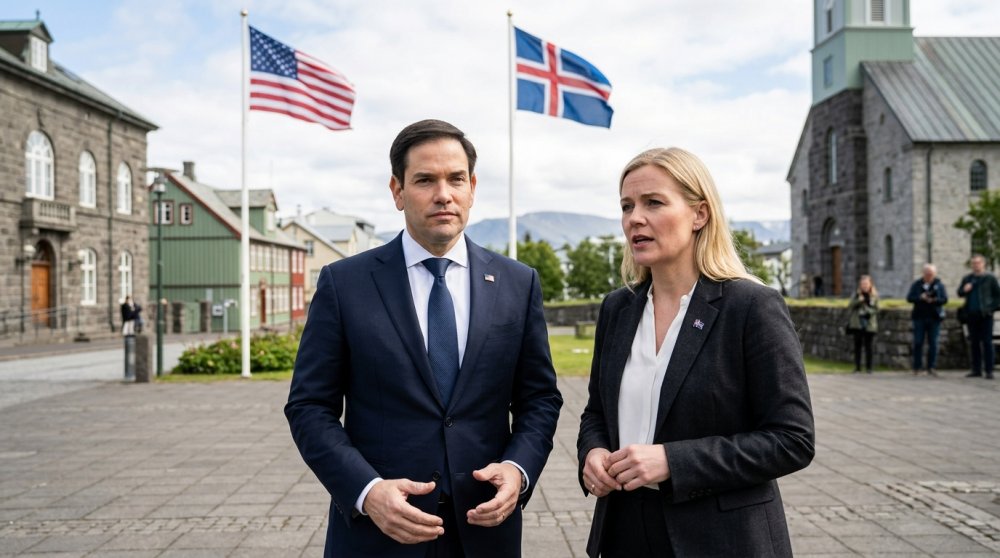
Rubio met with Iceland’s foreign minister at the same Reykjavik site where President Ronald Reagan rejected Soviet demands during Cold War arms talks.
He described the location as a “critical outpost for monitoring clandestine behavior and deterring our adversaries.”
The Greenland agreement preserves Danish sovereignty while remaining in force indefinitely, even if Greenland gains independence.
Critics who claim the deal addresses a nonexistent Chinese presence overlook the long-term strategic value of controlling future Arctic shipping routes.
“The security of the United States remains linked to Europe’s and that the U.S. must make sure that NATO is strong so that it can continue to be a deterrent against hostility which makes our nations and our continents safer from foreign threats and more secure for our people.”
In Panama, diplomatic engagement led to a court ruling that ended Chinese control of key canal terminals after years of incremental commercial expansion.
The agreement with Denmark provides direct U.S. authority to screen and accelerate foreign investment in critical sectors while honoring Greenland’s territorial integrity.
These steps strengthen American leverage over emerging trade routes and military positioning in the High North.
Let us know what you think, please share your thoughts in the comments below.
