Science & Tech
Cyber Experts Warn Hackers May Already Be Inside U.S. Utilities

Clear Facts
- Cyberattack on French supermarket refrigeration systems caused millions in losses last week.
- John Walsh of IGEL warns that legacy U.S. infrastructure may already contain dormant threats.
- Experts urge American utilities and critical systems to adopt resilience over traditional security.
Cybersecurity specialists are urging American businesses and utilities to take the recent French supermarket attack as a serious warning.
Unknown hackers seized control of refrigeration systems in hundreds of stores across France, raising temperatures above 100 degrees overnight and destroying millions of dollars in food.
John Walsh, senior vice president at IGEL, told Fox News Digital that similar tactics could easily target American infrastructure.
“Think about if we don’t have water for seven days, or if they attack freezers and we don’t have food,” Walsh said.
“That’s a tough situation for people to live through, and it could create a lot of economic and social unrest. We’re seeing that we’re vulnerable and that attacks are taking systems down.”
Walsh works with major industrial suppliers like Siemens and Rockwell to secure operational technology environments.
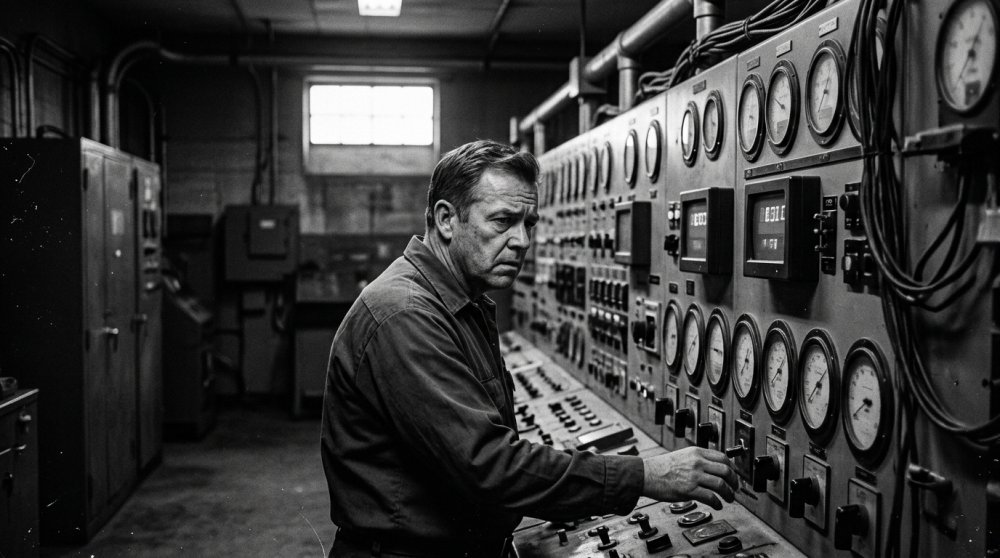
Many of these systems are 15 to 20 years old and no longer receive security updates, making them attractive targets for foreign actors.
“A primary obstacle in operational technology environments — whether in food manufacturing, pharmaceuticals, oil, or utilities — is that facilities operate assets that are 15 to 20 years old,” Walsh said.
“These systems are expensive, fragile, and essential to ongoing operations.”
Walsh warns that the traditional approach of keeping hackers out is outdated.
Instead, operators should assume attackers are already inside and focus on limiting damage.
“Security is kind of like, ‘I feel I can trust that things are okay.’ Resilience is where you make the assumption the attacker is present—where, when the attacker is present, you control the blast radius,” Walsh said.
A so-called Trojan horse could already be embedded in America’s electrical grid and other critical infrastructure, waiting for activation.
“They’ve demonstrated taking it down, which to some degree is them practicing, honing their skills, and honing their methodologies against real targets while sending a message,” Walsh said.
Amy Kremer, chair of Humans First, expressed concern over internet-connected appliances and household devices.
“I am shocked that appliances have access to the internet,” Kremer said.
“I understand the convenience, but at the same time, you are going to have potential problems with it. That should be a concern to all Americans — not just appliances, but things like your Nest thermostat and other devices in your house that could be hacked into,” she continued.
Walsh pointed to past incidents, including the 2026 cyberattack on Minnesota water systems, as evidence of growing threats.
“Think about if you were to try to disrupt the U.S. economy or begin to do terrorism-type activities. What would you do? You’d go after water and wastewater. You’d go after the food supply. Exactly what occurred here, but at a larger scale,” Walsh said.
“We’re definitely more vulnerable, they’re definitely targeting us, and citizens, government, and the international community need to get governance in place to push industries to implement these protections,” he said.
Walsh believes recent attacks across the U.S., France, and the UK are part of a pattern of adversaries testing their capabilities.
“I do think that what we’re beginning to see is a pattern across the U.S., France, and the UK. We see the adversary—potentially a geopolitical adversary—basically practicing their art and demonstrating their art in different locations,” he warned.
Let us know what you think, please share your thoughts in the comments below.
