Politics
Netanyahu Short of Majority as Arab Surge Reshapes Israel Vote

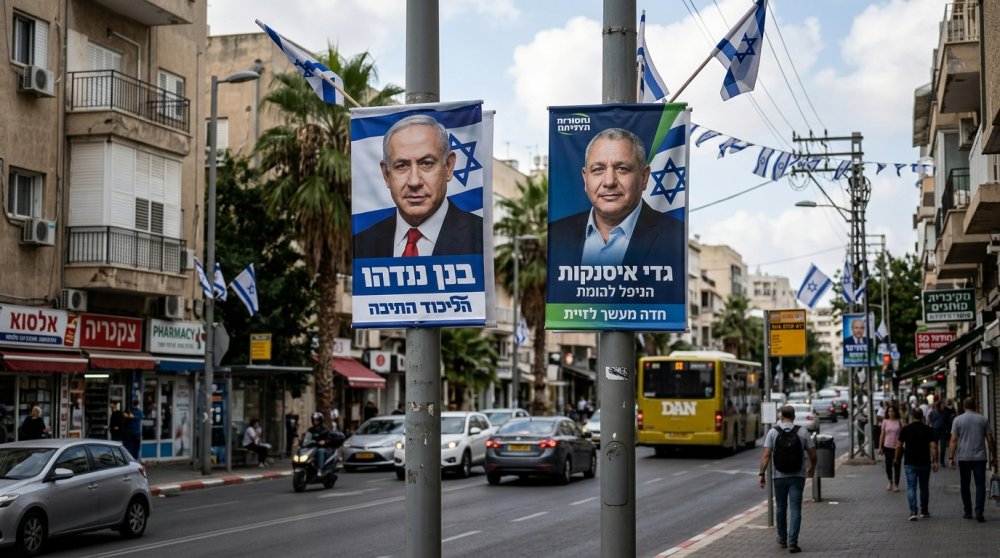
Clear Facts
- Netanyahu’s right-wing bloc projected to win 53 seats in Israel’s 120-seat Knesset, short of the 61 needed for majority.
- Arab parties’ turnout rose sharply to around 80 percent, securing a combined 19 seats and giving opposition a potential 67-seat bloc.
- Allegations of foreign funding tied to Qatar are under investigation, while three coalition paths remain under discussion.
Israeli Prime Minister Benjamin Netanyahu’s coalition fell short of the 61 seats needed to form a government after final counts showed his bloc with 53 seats. The opposition bloc led by former military chief Gadi Eisenkot secured 48 seats.
Arab parties capitalized on an 80 percent turnout surge among Arab voters, nearly doubling their representation to 19 seats. This shift gave the opposition a potential parliamentary majority of 67.
Netanyahu’s Likud party remained the largest single party with 26 seats, followed by Eisenkot’s Yashar party with 21 and former Prime Minister Naftali Bennett’s Beyachad party with 12.
“Foreign involvement in Israel is unacceptable and profoundly serious, particularly when it involves a country that funds and supports Hamas,” Eisenkot said.
The results leave both Netanyahu and Eisenkot unable to form a government independently. Coalition negotiations now focus on three possible paths.
The first path involves an opposition-led government that would rely on Arab party support to replace the Knesset speaker and control the legislative agenda. Opposition leaders had ruled out including Arab parties in a governing coalition during the campaign.
“After it became clear that foreign actors attempted to take control of the Knesset, it is obvious that no Zionist party must cooperate with Ra’am and the Joint List,” Likud stated.
The second path centers on a national unity government between Netanyahu’s Likud and Eisenkot’s Yashar party. This arrangement would exclude both Arab parties and Netanyahu’s far-right allies.
Sources close to President Donald Trump reportedly favor such a unity government that excludes National Security Minister Itamar Ben-Gvir and Finance Minister Bezalel Smotrich.
“I will take a look,” Trump said when asked about involvement in efforts to establish a Netanyahu-led unity government.
The third path would combine Netanyahu’s 53 seats with ultra-Orthodox parties and Eisenkot’s 48-seat bloc to reach a 62-seat majority. This option faces significant disagreements over military conscription for ultra-Orthodox men.
Allegations emerged Thursday that Qatar may have funded efforts to influence Arab voter participation through channels previously used to transfer money to terrorist organizations. Qatar strongly denied the claims.
“We categorically deny allegations that Qatar has interfered in Israeli elections or funded any activities intended to influence their outcome,” Qatari Foreign Ministry spokesperson Dr. Majed Al-Ansari wrote on X.
Shin Bet Director David Zini presented intelligence to Central Elections Committee Chairman Justice Noam Sohlberg, who ordered an investigation with findings due within one week.
Netanyahu will remain caretaker prime minister until a new government is formed through one of these three paths.
Let us know what you think, please share your thoughts in the comments below.
