Politics
War on Terror Veterans Monument Design Sparks Fierce Backlash on Capitol Hill

Clear Facts
- A proposed monument for Global War on Terror veterans features an abstract design that has drawn sharp criticism from lawmakers and veterans groups
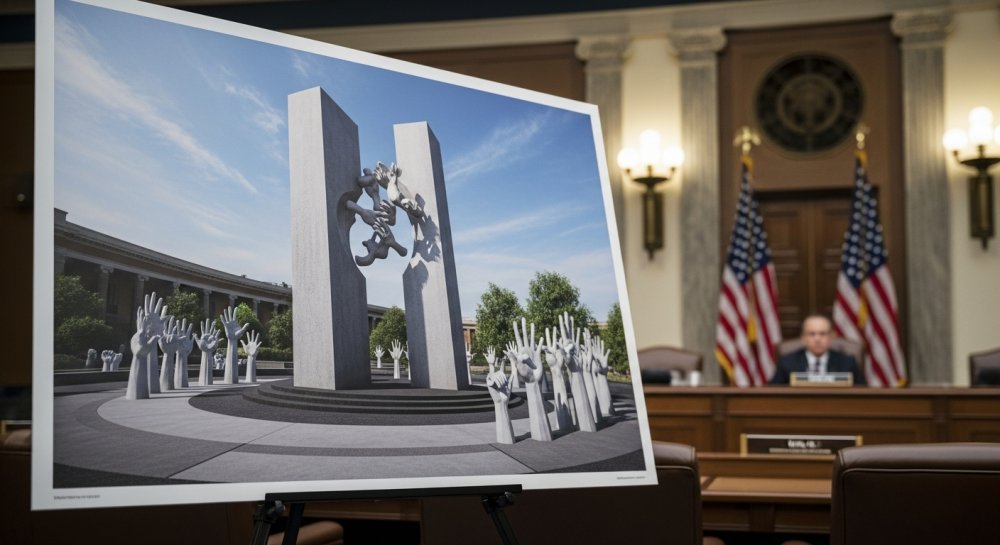
- The memorial design includes raised hands in various positions, which critics have derided as ‘jazz hands’ that fail to honor military sacrifice
- Members of Congress are demanding changes to the design before it moves forward on federal land in Washington, D.C.
A controversial design for the Global War on Terror memorial has ignited a fierce debate on Capitol Hill, with lawmakers from both parties expressing outrage over what they view as an inadequate tribute to American servicemembers who fought in Iraq and Afghanistan. The proposed monument, which features abstract raised hands in various positions, has been dismissed by critics as appearing more like ‘jazz hands’ than a solemn recognition of military sacrifice.
Congressional representatives who have reviewed the design are raising serious concerns about whether the memorial properly honors the nearly 7,000 American troops who gave their lives in the War on Terror, along with the hundreds of thousands who served. The design’s abstract nature has particularly troubled veterans groups, who argue that Americans visiting the memorial should immediately understand its purpose and significance.
Today, on the ground where the Memorial will stand, Gold Star families, veterans, and supporters gathered as Taps played across @TheNationalMall.
We will build this Memorial because their names deserve a place to be spoken. pic.twitter.com/NG8L1iglyz
— Global War on Terrorism Memorial Foundation (@GWOTMF) May 25, 2026
In the days and weeks ahead, we’ll be sharing more about the initial design concept and meaning behind the GWOT Memorial.
One of the most important questions is how we will honor the fallen. Watch to see how we will ensure every sacrifice is remembered and no one is left behind. pic.twitter.com/5nXuS242Ue
— Global War on Terrorism Memorial Foundation (@GWOTMF) June 12, 2026
This proposal is a disgrace.
Thousands of heroic Americans sacrificed everything in service to our nation during the Global War on Terror.
I served in Afghanistan. These were real people with real stories.
They deserve to be honored with dignity, not disconnected abstract art. https://t.co/QtY3sCuLUu
— Senator Jim Banks (@SenatorBanks) June 11, 2026
To be Chrystal Clear.
There is now bipartisan/ bicameral to stop this proposed Jazz Hands monument to our fallen brothers and sisters.
You are now officially on notice @GWOTMF, you will be head organizationally and personally accountable if you proceed with abomination.… pic.twitter.com/fezqPh7RJ1
— Derrick Van Orden (@derrickvanorden) June 11, 2026
This design is a disappointing landscape feature better suited to a hotel courtyard or mini golf course than a monument to the courageous men and women who fought and the lives lost to radical Islamic terrorism.
There are American designers ready and willing to inspire their… https://t.co/gu9yaumAtC
— Mike Lee (@SenMikeLee) June 11, 2026
“Our role was not to impose a design, but to listen,”
a representative from the memorial foundation stated in defense of the selection process. However, that explanation has done little to satisfy critics who believe the listening process failed to capture what veterans and their families actually want to see honored on the National Mall.
The backlash reflects broader tensions over how America commemorates recent military conflicts. Unlike monuments to previous wars, which typically feature representational sculpture and clear martial imagery, modern memorial designs have increasingly embraced abstract concepts that some view as disconnected from the realities of combat and sacrifice.
Several lawmakers are now calling for the design to be reconsidered before any construction begins. They argue that veterans of the Global War on Terror deserve a memorial that clearly communicates the gravity of their service and the price paid by so many American families. The controversy highlights the challenge of creating memorials that satisfy both artistic ambitions and public expectations for how the nation honors its fallen heroes.
Veterans organizations have been particularly vocal in their opposition, with some calling the current design a betrayal of those who served. They contend that a memorial should be immediately recognizable as a tribute to military service, not require explanation or interpretation to understand its meaning.
The debate over the memorial comes as the nation continues to process the legacy of its longest wars, including the chaotic withdrawal from Afghanistan that left many veterans questioning the purpose of their sacrifice. For these servicemembers and their families, the memorial represents one of the few tangible ways the nation can demonstrate lasting gratitude and remembrance.
As the controversy continues to build, pressure is mounting on the memorial foundation and federal officials to return to the drawing board. Lawmakers are making clear that they will use their oversight authority to ensure any monument on federal land properly honors American military service in a way that resonates with veterans, families, and the broader public.
Let us know what you think, please share your thoughts in the comments below.
