Politics
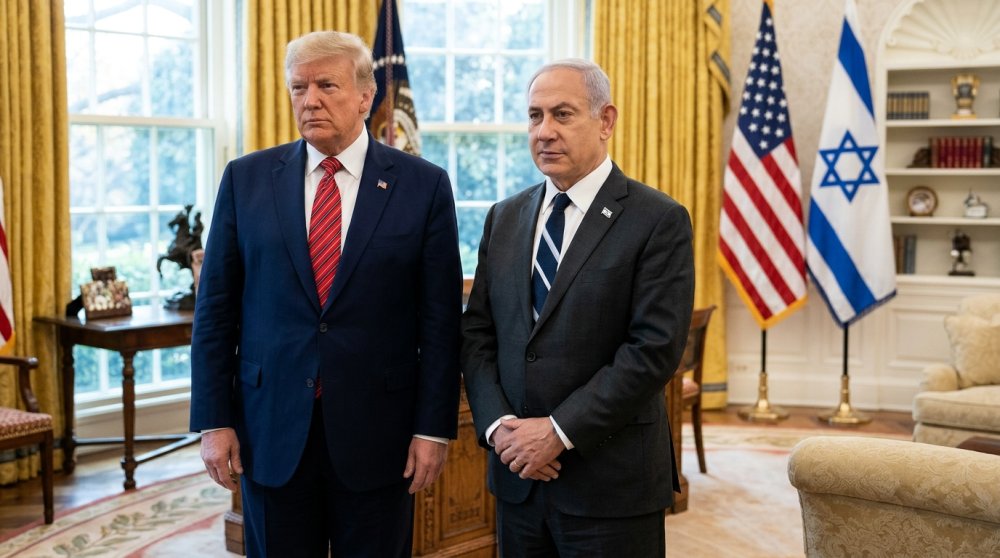
Trump Secures Deal With Netanyahu To End Billions In Annual US Aid To Israel

Clear Facts
- President Trump announced an agreement with Israeli Prime Minister Benjamin Netanyahu to end billions of dollars in annual US aid to Israel.
- Trump stated that Israel no longer requires American financial support.
- The decision aligns with longstanding conservative principles of reducing foreign spending and prioritizing American taxpayers.
President Trump made the announcement during a public statement emphasizing that Israel has grown strong enough to stand on its own. The agreement marks a significant shift in US foreign policy toward one of its closest allies.
The President pointed out that Israel has developed one of the most advanced defense systems in the world and maintains a robust economy.
“They don’t need it”
Trump framed the move as a return to responsible stewardship of American resources.
He noted that the United States has provided substantial support over many decades and that the time has come for Israel to assume full responsibility for its defense needs.
The President stressed that this decision does not diminish the strong relationship between the two nations.
“They don’t need it”
.@POTUS on aid to Israel: "It gets cut off at the end of the year… They don’t need it… Israel is a very thriving country." https://t.co/iIJbOv2kgU
— Rapid Response 47 (@RapidResponse47) November 3, 2026
Big news on Israel aid. Trump says he agreed with Netanyahu to end the $3.8B in annual military assistance to Israel. “We made a deal months ago that we’re stopping, and at there they’re fine with it… we won’t be paying any more Israel… We’ve already agreed that by the end of this year we won’t be paying Israel. Now, we’ll help Israel if they need it.” https://t.co/diBBC0ltLF
— Jacob N. Kornbluh (@jacobkornbluh) November 3, 2026
Supporters of the agreement argue that it reflects a realistic assessment of Israel’s capabilities and a commitment to fiscal restraint at home.
Critics within the foreign policy establishment have expressed concerns about the potential impact on regional stability.
Let us know what you think, please share your thoughts in the comments below.
