Entertainment
Russian lab death raises fresh alarms over deadly pathogen leaks

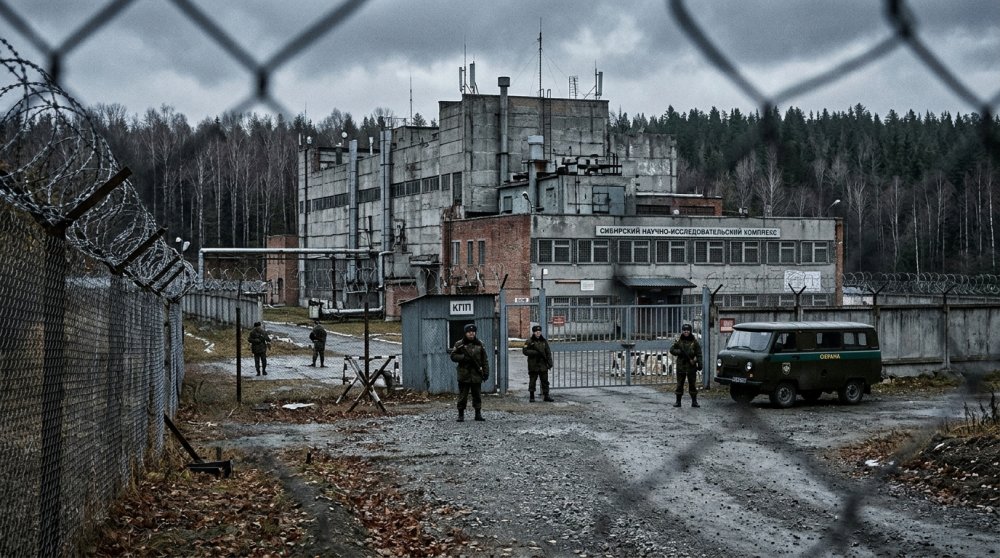
Clear Facts
- A Siberian lab worker named Darya Shipilova died after handling dangerous pathogens including plague.
- Russian officials deny the death involved pneumonic plague or any bioengineered strain while shutting down hospitals and isolating patients.
- Current antibiotics and existing vaccines remain effective against known plague strains unless the pathogen has been deliberately altered.
A mysterious pneumonia death at a Russian laboratory studying plague has once again exposed the world’s weak defenses against dangerous pathogen leaks. The case of Darya Shipilova, a lab worker in Siberia, mirrors the early uncertainty that surrounded COVID-19 and highlights the absence of reliable global health surveillance.
The Russian authorities have denied that the pathogen is pneumonic plague or that it has been modified for greater resistance and airborne spread. They claim to be scaling back precautions, yet the initial sweep of hospital closures and patient isolations raised serious questions about the true scale of the threat.
“The assertions and gesticulations by WHO Director-General Tedros Adhanom Ghebreyesus at press conferences are no more reassuring now than they were back then.”
The United States and the World Health Organization have both requested detailed information from Russia following reports of a possible second pneumonia case. This renewed call for transparency comes six years after the COVID-19 outbreak exposed how quickly information can be withheld during a crisis.
Medical experts note that standard antibiotics and an existing vaccine can still address conventional plague strains. The risk of widespread transmission appears limited unless the organism has been genetically altered in ways that current treatments cannot counter.
“I am fully awake, and a dark spirit with an open mouth comes into the room, and I can feel that it has come for me. To take me. It is very heavy and real, a dark force. I feel it is the spirit of death. I am not afraid. I become angry and demand it to leave. ‘What are you doing here?’ I yell. ‘Get away!’ And it goes away. I will it away.”
Laboratory accidents remain a constant danger, particularly when they involve high-risk pathogens stored in countries with limited transparency. The greater threat may be the fear that spreads faster than any disease when governments withhold clear answers.
Let us know what you think, please share your thoughts in the comments below.
