Sports
Chinese Golfer’s Masters Collapse Raises Eyebrows About His Future

Clear Facts
- Chinese golfer Wenyi Ding shot 82 in the final round of the Masters, finishing tied for 56th place
- Ding had been in contention through three rounds before the Sunday collapse
- The performance comes amid heightened scrutiny of Chinese athletes competing internationally
A promising Masters tournament run by Chinese golfer Wenyi Ding came to an abrupt end Sunday with a final-round collapse that has golf fans and political observers alike raising questions about what comes next for the young athlete.
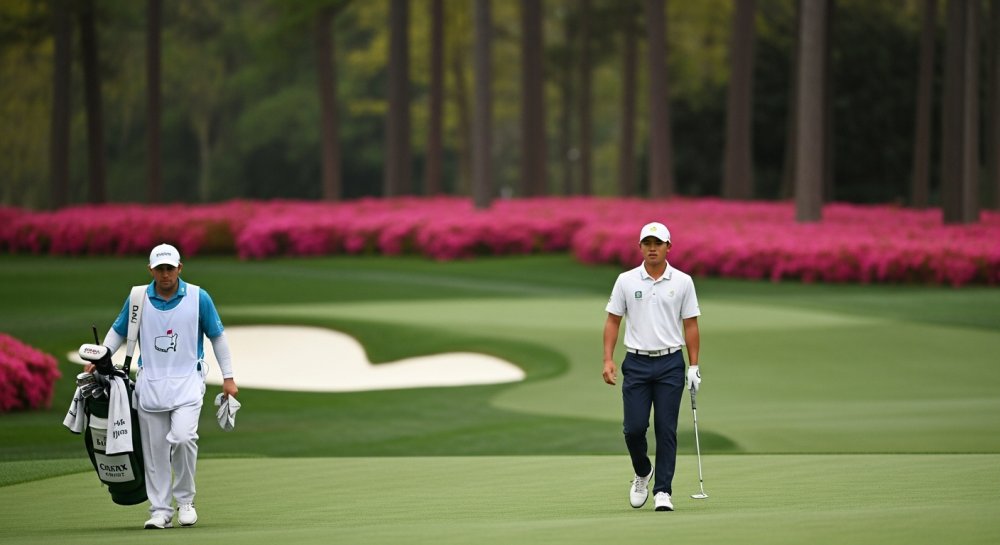
Ding, who had been performing respectably through the first three rounds at Augusta National, posted an 82 in Sunday’s final round. The meltdown dropped him to a tie for 56th place in the prestigious tournament.
The 19-year-old golfer became the first player from mainland China to compete in the Masters when he qualified for the tournament. His participation was seen as a significant moment for golf in China and for the country’s international sporting presence.
Through Saturday, Ding had shown flashes of competitiveness on one of golf’s biggest stages. But Sunday’s performance raised concerns beyond just a bad day on the course.
The Chinese Communist Party maintains strict control over its international athletes and their public images. High-profile failures by Chinese competitors on the world stage have historically resulted in severe consequences, ranging from loss of government support to complete removal from public life.
Tennis player Peng Shuai’s disappearance from public view in 2021 after making allegations against a senior party official highlighted the precarious position of Chinese athletes who attract negative attention. While Ding’s situation involves athletic performance rather than political controversy, the CCP’s track record with athletes who embarrass the nation remains a concern.
Chinese state media had promoted Ding’s Masters appearance as evidence of China’s growing influence in global sports. The final round collapse undermines that narrative at a time when the regime places enormous emphasis on international prestige.
Golf observers note that an 82 at Augusta National, while disappointing, isn’t entirely unusual for a teenager playing in his first Masters under intense pressure. The course’s difficulty is legendary, and even experienced professionals have posted similar scores in tough conditions.
However, the political dimension adds layers of complexity that transcend normal athletic performance analysis. The CCP’s investment in sports as a tool of soft power means individual athletic failures can carry disproportionate consequences.
Ding has not made public statements since completing his final round. His social media accounts, which had been active during the tournament, have gone quiet.
The situation highlights the unique pressures facing Chinese athletes competing internationally, where they must navigate not only the sporting challenges but also the political expectations of a regime that views their performances as extensions of national power.
Let us know what you think, please share your thoughts in the comments below.
