Sports
What Really Happens Behind the Scenes at America’s Most Exclusive Sporting Event

Clear Facts
- Over 150,000 spectators expected at Churchill Downs for the Kentucky Derby on May 2, with premium table seats costing $16,800 per person and private suites starting at $280,000
- Only 3-year-old thoroughbreds qualify for the race, with training beginning years in advance for what’s known as the “fastest two minutes in sports”
- Behind the grandstands, 1,400 horses arrive by mid-March to train at Churchill Downs’ backside facility, which houses 47 barns and up to 600 on-site workers in a self-contained community
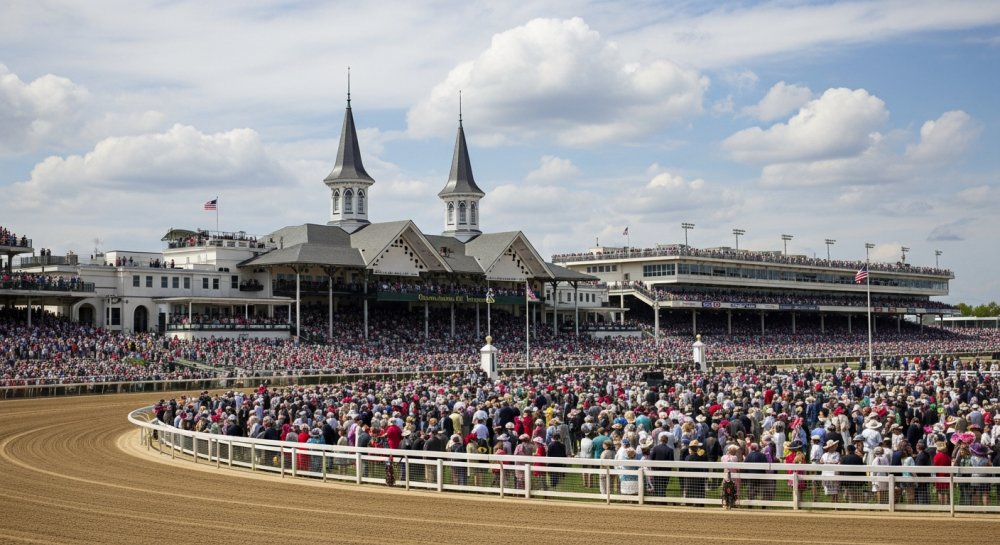
LOUISVILLE, Ky. — On Saturday more than 150,000 spectators are expected to descend on the famed Churchill Downs for the Kentucky Derby, but the story of race day begins long before the crowd arrives. For those behind the scenes, Derby Day on May 2 isn’t about crisp mint juleps and eye-catching hats — it’s the culmination of years of training, millions in investment and the final hours where it all comes together.
And spectators willing to spend a pretty penny for the elite experience could shell out approximately $16,800 for a seat at a table above the track, while private turf suites start at $280,000. For many American families, that’s more than the cost of a home — all for a two-minute race.
“It’s a once-in-a-lifetime opportunity for these horses,” Stan Bowling, lead tour guide at the Kentucky Derby Museum, told Fox News Digital.
And some fans feel the same way. Only 3-year-old thoroughbreds can qualify for the race, with training that begins early and intensifies in the years leading up to the Kentucky Derby, affectionately dubbed the “fastest two minutes in sports.”
“A lot is riding on that two minutes and a little bit of change for all these owners, trainers and jockeys,” said Bowling, a Kentucky native who has attended the race 28 times.
“There are no do-overs on this track.”
While the race itself is quick, the road to Churchill Downs is anything but. Along the way, horses earn points through qualifying races, while trainers manage every detail to ensure the thoroughbreds peak at precisely the right moment.
Qualifying horses arrive in early March to adjust to the track and settle into life at Churchill Downs, which hosts roughly 750 races each year. But no other race on that track carries the same weight of the Kentucky Derby — the 12th in a 14-race lineup that anchors the day’s events.
“Every morning, from mid-March through the end of the year, the horses are going to be out on the track training between 5:30 and 10 a.m.,” Bowling said as he steered a golf cart beneath the famed track toward what’s known as the backside.
He noted that by mid-March, approximately 1,400 horses arrive at the stalls. It’s here, beyond the grandstands and away from the pageantry, that Churchill Downs takes on a different identity.
The backside operates like a small, self-contained community, with 47 barns housing the horses and as many as 600 workers living and working on-site. The grounds include a chapel and even a small school — part of a self-contained world that runs parallel to the spectacle just steps away.
The backside stretches across rows of mostly nondescript stalls, punctuated by a few bearing the names of famed horses and their jockeys. Bowling posed a question to visiting reporters about the rental cost for one of these stalls at the most famous racetrack in the world.
The answer: $7.50. That modest fee is just a starting point, a small figure compared to the millions that can go into preparing a single horse over the course of its training and care.
That level of investment is mirrored in the fan experience, where attending the Derby comes at a steep price.
“It’s an expensive ticket, I will grant you that, but for most people, coming to see the Kentucky Derby is a bucket list event,” Bowling said.
Tickets range from about $160 for access to the 26-acre grassy infield — where the race is watched on large screens — to about $800 for one of the cheapest seats in the grandstand. For grandstand ticket holders, food, alcohol and non-alcoholic drinks are included in the price, along with entry to races held on both Friday and Saturday.
“Among the 60,000 grandstand seats, those closer to the track and farther from the finish line tend to be the least expensive,” he added.
At the higher end, prices climb steeply.
“If you want to be in the Woodford Reserve Paddock Club for a very unique, elite experience, a table on the glass for six would cost you $16,800 a seat,” Darren Rogers of Churchill Downs told Fox News Digital.
“We have a number of different levels of packages to suit the experience guests are looking for, especially out-of-towners and bucket-list visitors.”
Meanwhile, tickets on a typical non-Kentucky Derby race day can cost as little as $10. But for many, the lofty price is worth paying for a fleeting moment — two minutes that carry years of work, millions of dollars and a lifetime of ambition.
The Kentucky Derby represents more than just horse racing — it’s a celebration of American tradition, athletic excellence, and the entrepreneurial spirit that drives owners, trainers, and jockeys to pursue greatness. From the modest $7.50 stall rental to the quarter-million-dollar luxury suites, every aspect of this iconic event reflects the diversity of the American experience.
Let us know what you think, please share your thoughts in the comments below.
