U.S. News
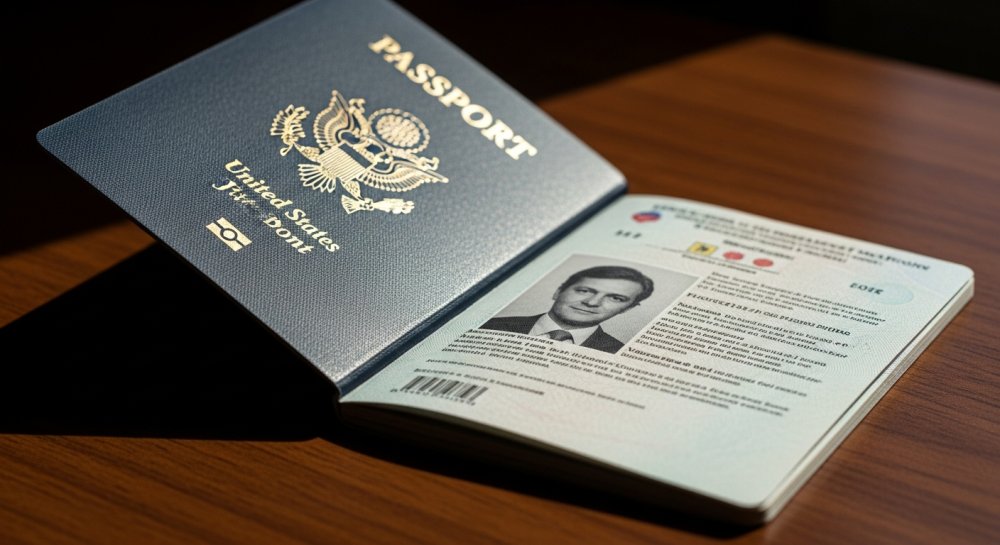
NPR Uses Your Tax Dollars to Help Americans Dodge Trump Passport

Clear Facts
- National Public Radio published a guide Wednesday instructing passport applicants how to avoid receiving the commemorative Trump passport
- NPR receives taxpayer funding through federal grants and corporate sponsorships while promoting politically-charged content
- The State Department recently introduced commemorative passports featuring President Trump’s image as an optional design
National Public Radio has found yet another way to use your tax dollars. This time, the federally-funded broadcaster published a how-to guide helping Americans avoid a commemorative passport featuring President Donald Trump.
The article appeared Wednesday on NPR’s website, providing step-by-step instructions for passport applicants who prefer not to receive the Trump-branded travel document. The State Department recently made the commemorative design available as an option for American citizens renewing or applying for passports.
NPR continues to receive significant taxpayer support through federal grants from the Corporation for Public Broadcasting, despite repeated criticism from conservatives who question why Americans should fund a news organization that regularly takes partisan political stances. The organization also benefits from tax-deductible donations and corporate underwriting that provide additional financial advantages not available to private news outlets.
The commemorative passport featuring Trump’s image represents a symbolic recognition of presidential legacy, similar to commemorative items produced during previous administrations. However, NPR’s decision to frame this as something Americans need help “avoiding” reveals the organization’s editorial perspective on the current administration.
Critics argue that taxpayer-funded media should maintain strict political neutrality, particularly when covering sitting presidents and administrative policies. The passport article joins a growing list of NPR content that conservative lawmakers and media watchdogs cite as evidence of institutional bias.
Congress has repeatedly debated ending direct federal funding for public broadcasting, with supporters arguing that NPR should operate as a fully private entity if it wishes to maintain an editorial voice on political matters. Opponents of defunding counter that public broadcasting serves communities without access to diverse news sources.
The Trump administration has not commented on NPR’s passport avoidance guide. The commemorative passport option remains available through standard State Department application channels, with traditional passport designs still offered as the default choice for applicants who do not specifically request the commemorative version.
Let us know what you think, please share your thoughts in the comments below.
