U.S. News
White House Confirms No Presidential Intervention in High-Profile Extradition Case

Clear Facts
- Press Secretary Karoline Leavitt confirmed President Trump will not intervene in the extradition proceedings of Andrew and Tristan Tate to the United Kingdom
- The Tate brothers face extradition from Romania to face charges in the UK
- The White House has taken a hands-off approach, allowing the legal process to proceed without executive interference
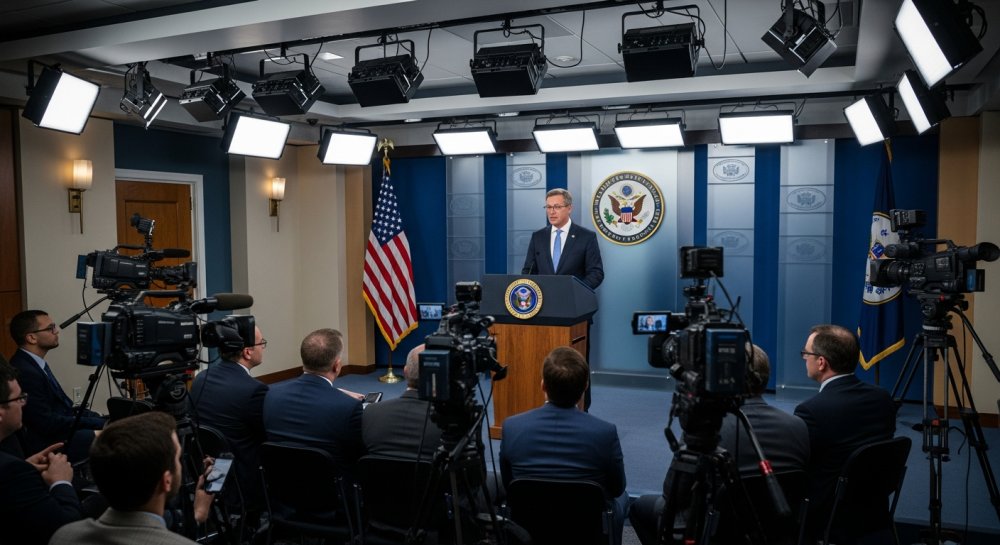
Press Secretary Karoline Leavitt has made clear the Trump administration’s position on a high-profile international legal matter. President Donald Trump will not intervene to block or prevent the extradition of social media influencers Andrew Tate and his brother Tristan Tate to the United Kingdom.
The Tate brothers, who have built massive online followings while facing serious legal challenges in multiple countries, are currently subject to extradition proceedings from Romania. The UK government has sought their return to face charges on British soil.
🚨 JUST IN: Karoline Leavitt CONFIRMS President Trump will NOT be intervening in the extradition process for Andrew and Tristan Tate
The Tate brothers are currently fighting extradition to the UK on new charges for "sexuaI offenses," which many believe are politically motivated. pic.twitter.com/yxGlPm7l0W
— Nick Sortor (@nicksortor) July 23, 2026
The White House’s decision to remain uninvolved reflects a traditional approach to allowing judicial processes to run their course without presidential interference. This stance aligns with the principle that the executive branch should not intervene in individual legal cases, particularly those involving international law enforcement cooperation.
The extradition case has drawn significant public attention given the brothers’ controversial online presence and their vocal commentary on various social and political issues. Despite this public profile, the administration has determined that executive intervention is not warranted.
By confirming the President will not take action to block the extradition, Leavitt has signaled that standard diplomatic and legal channels will govern the outcome. The decision ultimately rests with the relevant judicial authorities and international law enforcement agencies.
This approach maintains the integrity of established extradition treaties and legal cooperation agreements between the United States’ allies. Such treaties form the backbone of international criminal justice cooperation.
Let us know what you think, please share your thoughts in the comments below.
