U.S. News
Senate Advances Housing Reform as Homeownership Slips Further from Reach

Clear Facts
- The Senate passed the bipartisan 21st Century ROAD to Housing Act on Monday
- The legislation aims to reduce housing costs by cutting red tape and increasing housing supply
- The bill expands loans for housing construction and addresses Wall Street’s role in residential property ownership
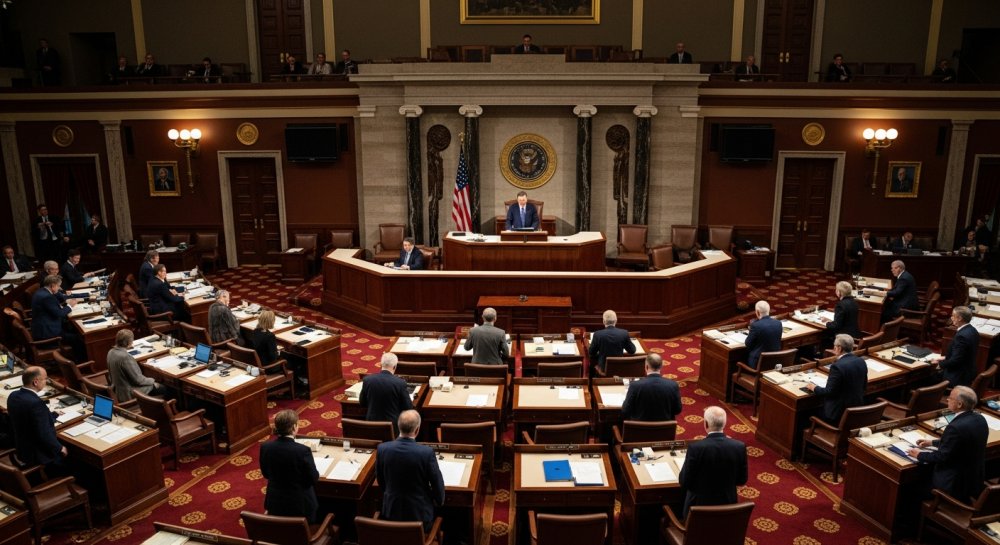
The United States Senate approved a significant piece of bipartisan housing legislation Monday, addressing what many Americans consider a fundamental crisis in affordability. The 21st Century ROAD to Housing Act represents a major effort to restore access to homeownership for working families.
The legislation tackles the housing shortage through multiple approaches. It removes regulatory barriers that have slowed construction, expands financing options for builders, and takes aim at institutional investors who have transformed single-family homes into rental portfolios.
🚨 NEW: @SenatorTimScott, @SenWarren, @RepFrenchHill, and @RepMaxineWaters released updated 21st Century ROAD to Housing Act text.
This legislation will:
✂️ Cut red tape
🔓 Unlock supply
📉 Lower costs
🛡️ Protect taxpayers
🏘️ Preserve local controlhttps://t.co/VgkoVEh5pj— U.S. Senate Banking Committee GOP (@BankingGOP) June 16, 2026
For millions of American families, homeownership has become increasingly out of reach over the past decade. Rising prices, limited inventory, and competition from corporate buyers have fundamentally altered the housing market that once served as the primary wealth-building tool for the middle class.
The bill’s passage reflects growing recognition that the American Dream of homeownership requires immediate intervention. By expanding the housing supply and creating new financing mechanisms, lawmakers hope to reverse trends that have locked out first-time buyers and young families.
Wall Street’s entry into residential real estate markets has drawn particular scrutiny from both sides of the aisle. Investment firms purchasing thousands of homes in cash have driven up prices while converting ownership opportunities into permanent rental properties, fundamentally changing neighborhood dynamics across the country.
The legislation’s red tape reduction provisions aim to accelerate construction timelines and lower development costs. These regulatory reforms address local zoning restrictions and approval processes that have constrained housing production for years.
Expanded loan programs included in the bill will provide builders with greater access to capital for residential construction projects. This financing mechanism is designed to incentivize increased production of affordable housing units in markets where demand far exceeds supply.
The bipartisan nature of the bill’s passage signals widespread agreement that housing affordability has reached crisis levels. Traditional political divisions have given way to shared concern about Americans’ ability to achieve stable homeownership.
Housing costs have consumed an ever-larger share of household budgets, forcing families to delay other financial goals including retirement savings and education funding. The squeeze on middle-class budgets has made housing reform a priority issue across demographic and political lines.
The bill now moves forward in the legislative process as Americans continue to face one of the most challenging housing markets in generations. Whether these reforms will meaningfully restore access to homeownership remains to be seen as implementation begins.
Let us know what you think, please share your thoughts in the comments below.
