Politics
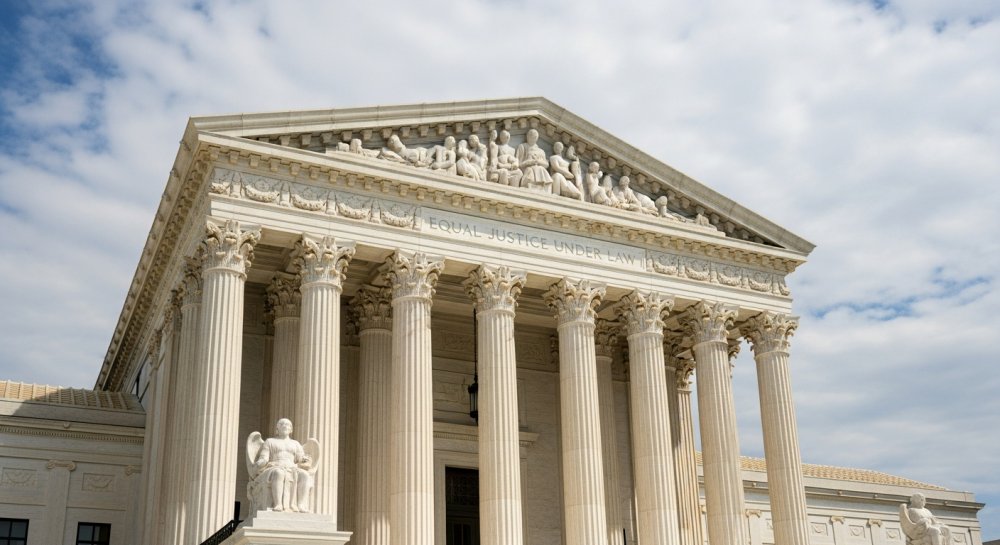
Supreme Court Declines Action as States Face Election Day Crisis

Clear Facts
- The Supreme Court declined to intervene in a critical election-related case, leaving states to manage election integrity concerns independently
- Conservative leaders are calling on state legislatures to strengthen Election Day protections through state-level legislation
- Legal experts argue states retain constitutional authority to implement their own election security measures without federal court intervention
The Supreme Court’s decision not to take action on a key election integrity case has placed the responsibility squarely on state governments to safeguard the electoral process. Conservative lawmakers and constitutional scholars are now urging states to exercise their constitutional authority to protect Election Day without waiting for federal intervention.
The Court’s inaction comes at a critical moment when many Americans are calling for stronger election security measures. Rather than viewing this as a setback, conservative leaders see it as an opportunity for states to reclaim their constitutional role in managing elections.
Legal experts emphasize that the Constitution grants states primary authority over election administration. This includes the power to implement voter identification requirements, maintain accurate voter rolls, and ensure ballot security measures are in place.
State legislatures across the country are now considering comprehensive election reform packages. These measures focus on strengthening voter verification processes, enhancing ballot chain-of-custody protocols, and ensuring Election Day results are accurate and trustworthy.
The push for state-level action reflects growing concerns among conservative voters about election integrity. Polling consistently shows that a significant portion of Americans want stronger safeguards in place to ensure every legal vote counts and only legal votes are counted.
Constitutional scholars note that federalism was designed precisely for situations like this. When the federal government or federal courts decline to act, states retain their sovereign authority to govern elections within their borders according to their own constitutions and laws.
Critics of federal election mandates argue that a one-size-fits-all approach fails to account for the diverse needs and circumstances of different states. State-based solutions allow for innovation and adaptation to local conditions while maintaining core principles of election security.
Republican state legislators are coordinating efforts to share best practices and model legislation. The focus is on practical measures that can be implemented quickly and withstand legal challenges, ensuring they remain in place for upcoming elections.
The movement toward state-level election reform also reflects a broader conservative principle of limited federal government and respect for state sovereignty. Many conservatives view this as an opportunity to demonstrate that states can effectively manage their own affairs without federal micromanagement.
As the next election cycle approaches, the actions taken by state legislatures in the coming months will be critical. The responsibility now rests with state officials to ensure that Election Day integrity is protected through robust, constitutional measures that restore public confidence in the electoral process.
Let us know what you think, please share your thoughts in the comments below.

Linda Winton
July 1, 2026 at 11:28 am
Don’t that mean Democrats can bring in fake ballots now, to keep real ballots from being counted?