Politics
Unexpected Surge in Democratic Primary Turnout Raises Questions Ahead of Midterms

Clear Facts
- Ninety percent of Democratic House primaries have recorded higher voter turnout compared to previous cycles
- The turnout increase has occurred even in traditionally Republican-leaning districts across the country
- Political analysts are examining whether this signals broader enthusiasm or strategic voting patterns
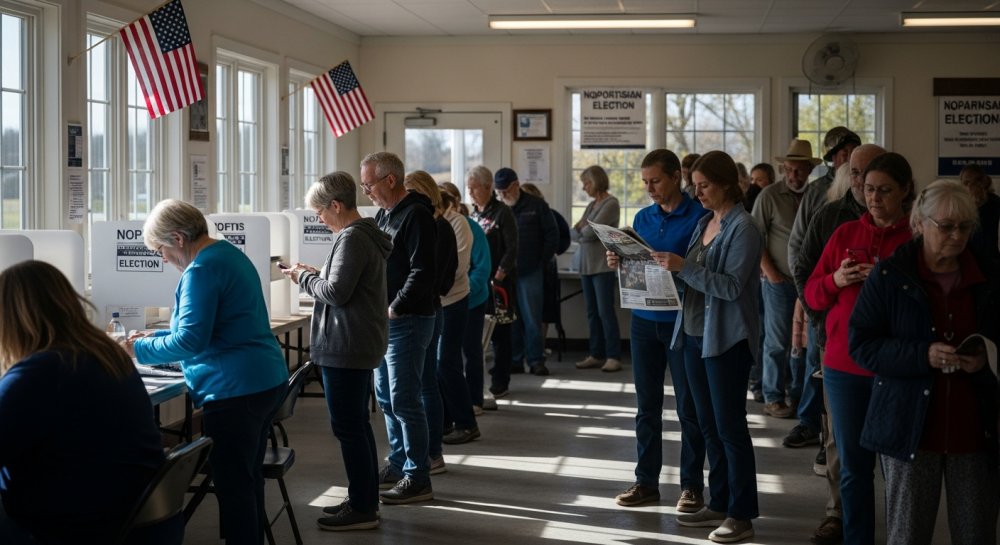
Democratic primary voters are showing up in unprecedented numbers across the nation, including in areas where Republican candidates have historically dominated general elections. The surge has caught the attention of political strategists on both sides of the aisle as they assess what it might mean for upcoming contests.
According to recent data analysis, approximately 90 percent of Democratic House primaries have experienced increased voter participation when compared to similar elections in previous cycles. The pattern extends beyond traditional Democratic strongholds into competitive and even solidly conservative districts.
The phenomenon raises important questions about voter motivation and electoral strategy. Some political observers suggest the higher turnout reflects genuine grassroots engagement within the Democratic base. Others point to potential tactical considerations, including efforts to influence which candidates advance to general elections.
In districts where Republicans maintain significant registration advantages, the Democratic primary participation has nonetheless risen markedly. This development complicates conventional wisdom about voter enthusiasm metrics and their predictive value for general election outcomes.
Republican strategists have noted the trend while emphasizing that primary turnout does not always translate to general election success. Historical data shows that enthusiasm in primaries can reflect intraparty divisions as much as overall party strength. The competitive nature of some Democratic primaries, featuring multiple candidates with distinct ideological positions, may be driving voters to participate who might otherwise skip primary elections.
Conservative political analysts are monitoring whether this pattern represents a temporary anomaly or signals a more sustained shift in Democratic voter behavior. The answer could have significant implications for campaign resource allocation and messaging strategies as both parties prepare for what promises to be a closely contested election cycle.
Turnout figures alone do not determine electoral outcomes, particularly in a political environment where independent voters and ticket-splitting remain significant factors. The traditional Republican advantage in many of these districts stems from general election performance, where the full electorate participates rather than just party primary voters.
As the primary season continues, both parties will be watching these numbers closely to understand what they reveal about voter sentiment and political engagement heading into the fall campaign season.
Let us know what you think, please share your thoughts in the comments below.
