Science & Tech
Google Parent Company Wants to Release 32 Million Lab-Bred Mosquitoes Across Two States

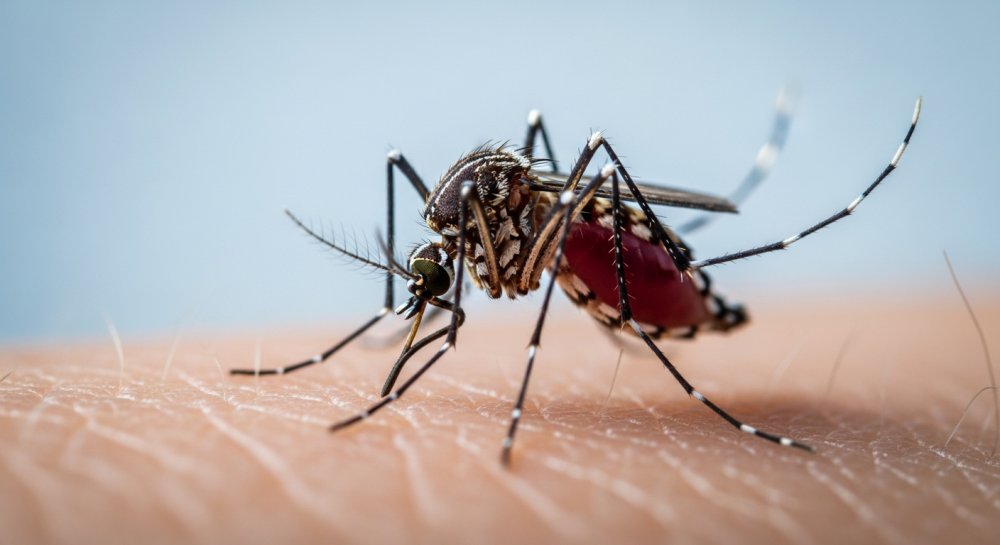
Clear Facts
- Verily, a life sciences subsidiary of Google’s parent company Alphabet, has filed for EPA approval to release up to 32 million lab-bred male mosquitoes in California and Florida
- The experimental permit would allow up to 16 million mosquitoes per state over a two-year period, with Florida releases in year one and California in year two
- The biological initiative has sparked public debate over environmental and health implications of large-scale releases of genetically modified insects
A major tech company’s life sciences division is seeking federal permission to conduct a massive experiment involving tens of millions of laboratory-bred mosquitoes on American soil. Verily, the life sciences subsidiary of Alphabet — Google’s parent company — has filed an application with the U.S. Environmental Protection Agency for an Experimental Use Permit that would authorize the phased release of up to 32 million lab-bred male mosquitoes in two states.
The proposed two-year project would deploy up to 16 million mosquitoes in each state. According to the permit application, Florida would see releases during the first year of the experiment, while California would follow in the second year.
Why does Google have 32 million mosquitos? Have we not learned our lesson with Kudzu, Sparrows, Black Birds, Asian Carp? Should I go on? Don’t mess with the balance of nature. https://t.co/33r0mPegOE
— Tim Burchett (@timburchett) May 31, 2026
🚨 BREAKING: Google is seeking federal approval to release up to 32 MILLION mosquitoes across Florida and California over the next two years.
The project, called "Debug," uses AI and robotics to breed mosquitoes. pic.twitter.com/L3Wnx7oa6a
— Armando Pantoja (@_TallGuyTycoon) June 1, 2026
🇺🇸 Google wants to release 32,000,000 infected mosquitoes into California and Florida.
This is exactly how every horror movie starts.
The plan: flood both states with lab-bred mosquitoes carrying Wolbachia bacteria, which stops female mosquitoes from spreading West Nile,… pic.twitter.com/sJzPvqqy5v
— Mario Nawfal (@MarioNawfal) June 2, 2026
The biological initiative has triggered considerable public discussion about the wisdom and safety of releasing such large numbers of lab-modified insects into American communities. Critics have raised questions about potential unintended environmental consequences and the long-term effects of introducing laboratory-bred mosquitoes into natural ecosystems.
Verily is part of Alphabet’s broader portfolio of companies operating beyond Google’s core search and advertising business. The life sciences division has previously conducted smaller-scale mosquito release programs, but this EPA application represents a significant expansion in both scope and geographic reach.
The permit request puts federal regulators in the position of evaluating whether a Silicon Valley tech conglomerate should be authorized to conduct large-scale biological experiments in residential areas of two major states. The EPA will need to assess potential environmental impacts, public health considerations, and whether adequate safeguards exist to protect American communities.
The debate over this application highlights growing concerns about the increasing role of major technology companies in biological and environmental projects that were traditionally the domain of government agencies and academic research institutions.
Let us know what you think, please share your thoughts in the comments below.

Marcus
July 6, 2026 at 7:01 am
Evidently they see a health need that the government has failed to address and they see a potential opportunity to make money. Which is fine . Eliminating illness is a big deal to the community that has high health risk in Zika and Dinge disease What measures to insure public safety over profit. The only way is to make them financially and criminally liable for any adverse effects it has on the population or the environment.