U.S. News
Whistleblower Claims Lawmakers Ignored Fraud Alarms

Clear Facts
- Welfare fraud investigations in Minnesota have led to dozens of convictions and exposed widespread issues.
- Federal and state programs, especially those in housing and welfare, are found to be vulnerable due to limited oversight and lack of state incentive to prevent fraud.
- Calls for reform focus on shifting welfare funding from federal to state governments to increase accountability and reduce fraud.
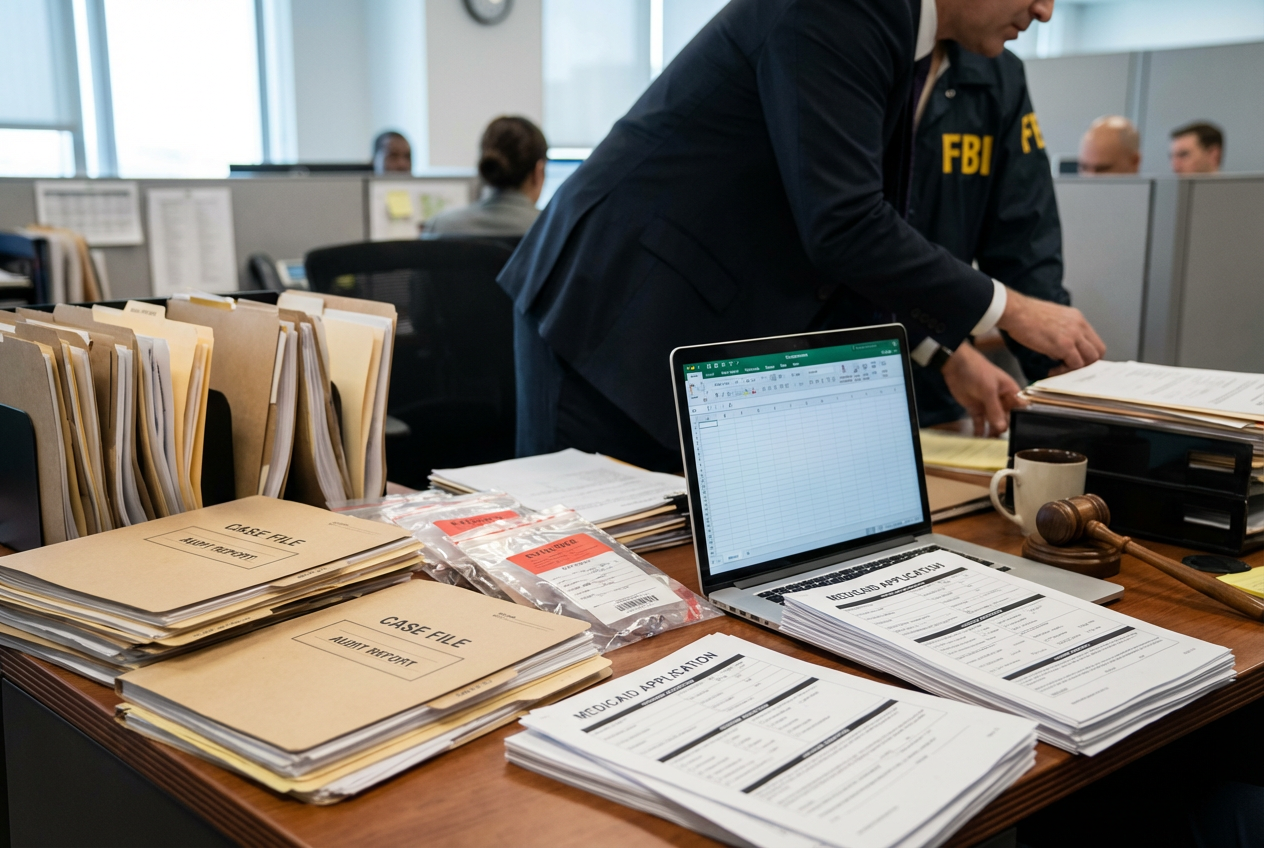
Investigations have uncovered extensive fraud in Minnesota’s welfare system, leading to convictions involving benefit theft from a children’s food program and illicit activity in Medicaid and daycare programs.
Federal programs, which provide “free” funding managed by the state, often lack stringent oversight, making them targets for scammers.
“State policymakers have little incentive to combat fraud when they are spending ‘free’ money from Washington.”
The problem extends to federal housing programs, like HUD, with recent scandals exposing bribery and theft involving both government officials and nonprofit groups.
In California, a federal prosecutor stated he was finding “massive fraud” and criticized state leaders for not addressing corruption sooner.
The Trump administration advocated for tougher action against fraud, but experts argue deeper reforms are needed to create real accountability by switching funding back to states.
Political obstacles remain, as federal programs benefit legislators and interest groups who prefer higher, less-restrained spending.
“Up to 10 percent of federal spending gets stolen in fraud scams each year.”
Supporters of reform urge increased audits for all programs and ultimately ending federal funding for those most vulnerable to abuse.
Let us know what you think, please share your thoughts in the comments below.
