Science & Tech
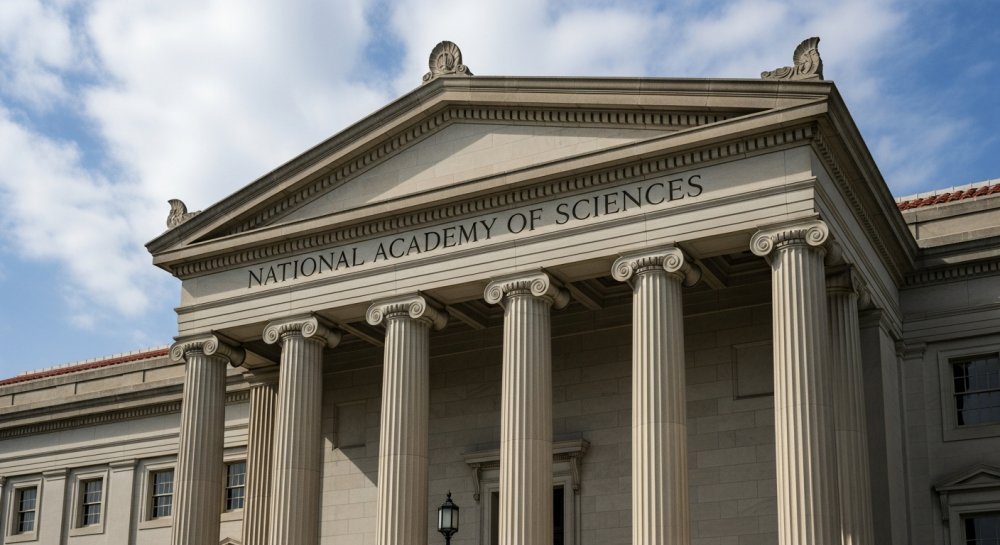
National Academy of Sciences Quietly Removes Climate Chapter After Heated Pushback

Clear Facts
- The National Academy of Sciences removed a controversial climate science chapter from its “Reference Manual on Scientific Evidence” website
- The removal comes amid intense scrutiny over the chapter’s content and the approval process used to develop it
- NAS announced it will review the procedures that led to the chapter’s publication in the fourth edition of the manual
The National Academy of Sciences has taken down a contested chapter on climate science from its online reference materials, signaling a rare retreat for the prestigious institution. The move follows mounting criticism over both the substance of the guidance and questions about how it was approved for publication.
The climate science section was part of the fourth edition of the “Reference Manual on Scientific Evidence,” a widely cited resource used in legal proceedings and policy discussions. NAS officials confirmed the chapter’s removal while announcing an internal review of the development process.
Critics had raised concerns about potential bias in the chapter’s framing of climate data and whether the review process met the academy’s own standards for scientific rigor. The backlash intensified as details emerged about the selection of contributing experts and the vetting procedures used before publication.
The decision to pull the chapter represents an unusual acknowledgment by NAS that its internal controls may have fallen short. For years, conservative scientists and policy experts have questioned whether climate guidance from major scientific institutions reflects genuine consensus or ideological uniformity.
The reference manual serves as a key resource for judges, attorneys, and expert witnesses navigating complex scientific testimony in courtroom settings. Its guidance on climate science carries significant weight in environmental litigation and regulatory disputes, making the integrity of its content particularly consequential.
While NAS has not disclosed a timeline for completing its review, the institution faces pressure to ensure any revised guidance undergoes transparent peer review and includes diverse scientific perspectives. The controversy underscores ongoing tensions between scientific institutions and those who question whether climate research has become too politicized.
The withdrawal of the chapter comes at a time when public trust in major scientific organizations faces unprecedented scrutiny. Many Americans have grown skeptical of pronouncements from elite institutions, particularly on politically charged topics where research findings align predictably with progressive policy preferences.
Let us know what you think, please share your thoughts in the comments below.
