U.S. News
Argentine Beef Recall Exposes Major Gap in Federal Import Oversight

Clear Facts
- Nearly 30,000 pounds of raw boneless beef from Argentina entered U.S. commercial distribution without required federal reinspection
- Federal food safety regulators have issued a recall for the imported meat products
- The incident highlights vulnerabilities in the federal import inspection system designed to protect American consumers
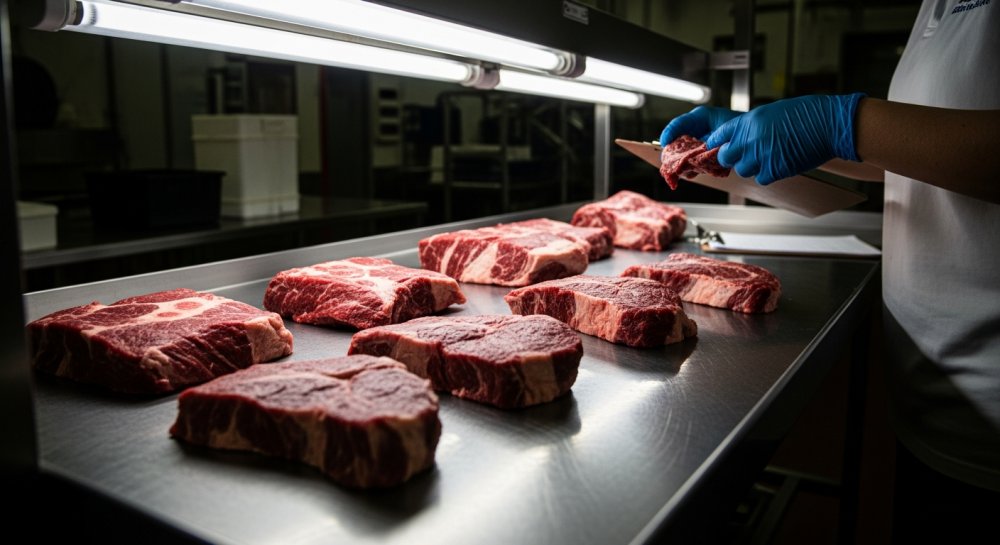
Federal food safety regulators have issued a recall for nearly 30,000 pounds of raw boneless beef imported from Argentina after discovering a serious breach in mandatory safety protocols. The meat entered commercial distribution across the United States without undergoing required federal reinspection, raising questions about oversight gaps at America’s borders.
The recall underscores ongoing concerns about the integrity of imported food products and the effectiveness of federal agencies tasked with protecting American consumers. These mandatory inspections exist specifically to verify that foreign meat products meet the same rigorous standards required of domestic producers.
The discovery of this inspection bypass comes at a time when many Americans are already questioning the reliability of imported foods and the adequacy of federal regulatory enforcement. Traditional standards that once protected American families depend on consistent application of safety protocols at every point of entry.
Food safety experts note that such lapses in the inspection process can expose consumers to potential health risks while undermining confidence in both imported products and the federal agencies responsible for safeguarding the nation’s food supply. The incident serves as a reminder that vigilant oversight remains essential to protecting American families.
The recall affects raw boneless beef products that bypassed the reinspection requirements designed to catch contamination, labeling violations, or other safety concerns before products reach grocery stores and dinner tables across the country.
Federal regulators have not yet disclosed how the inspection bypass occurred or what systemic changes might be implemented to prevent similar incidents. The lack of transparency on enforcement failures continues to fuel skepticism about the government’s commitment to rigorous food safety standards.
Let us know what you think, please share your thoughts in the comments below.
