Health
Sports Illustrated Models Reveal Troubling Physical Effects of Social Media Culture

Clear Facts
- Multiple Sports Illustrated models and influencers are displaying pronounced postural issues linked to social media habits
- The phenomenon, dubbed ‘Instagram posture,’ involves physically leading with the pelvis to create an exaggerated silhouette for photos
- Medical professionals are raising concerns about long-term musculoskeletal damage from constant posing
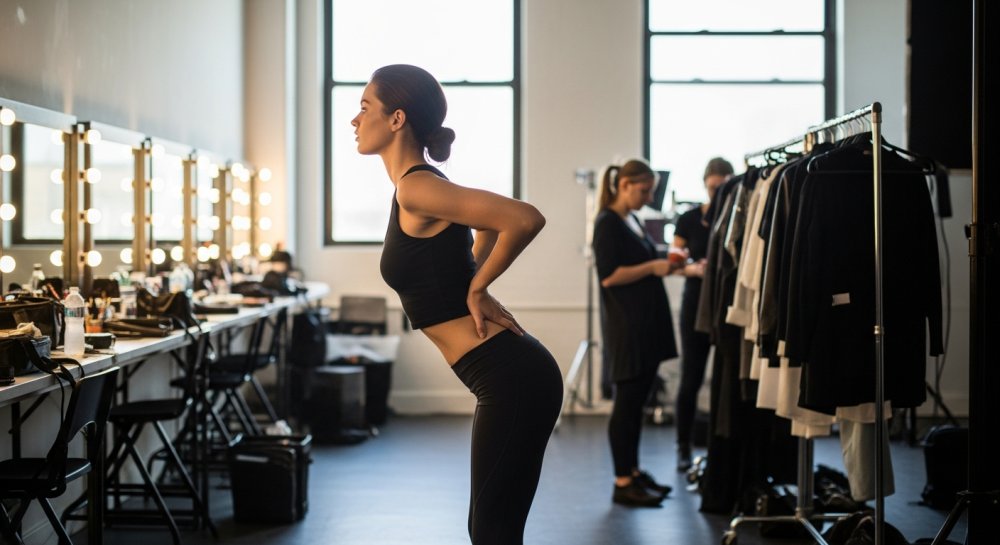
A troubling physical trend is emerging among social media influencers and models appearing in Sports Illustrated publications, as industry insiders notice an increasing number displaying what medical experts are calling ‘Instagram posture.’ The condition manifests as a pronounced forward pelvic tilt that many have adopted to create more dramatic silhouettes in photographs.
The posture involves thrusting the pelvis forward and arching the lower back to an extreme degree, creating an exaggerated hourglass shape that performs well on social media platforms. What began as a temporary pose for photographs has reportedly become a habitual stance for many in the modeling and influencer industries.
Physical therapists and orthopedic specialists are sounding alarms about the long-term health consequences of maintaining such unnatural positioning. The posture places excessive strain on the lumbar spine, can lead to chronic lower back pain, and may cause lasting damage to the musculoskeletal system.
“These women are essentially training their bodies into dysfunctional movement patterns,” one physical therapist familiar with the issue explained.
The observation has sparked debate about the physical toll of social media culture on young women seeking attention and validation through platforms like Instagram. Critics argue that the pressure to maintain certain aesthetic standards online is creating real-world health consequences that extend far beyond the digital realm.
Some industry veterans note that traditional modeling emphasized natural posture and movement, whereas the current social media-driven landscape rewards increasingly exaggerated and potentially harmful positioning. The shift reflects broader changes in beauty standards that prioritize photographic impact over physical well-being.
Conservative commentators have pointed to the phenomenon as another example of how social media platforms are negatively impacting the physical and mental health of young Americans. The constant pursuit of attention and validation through increasingly extreme visual presentation represents a departure from traditional values that emphasized natural beauty and genuine self-worth.
Medical professionals recommend that those experiencing chronic pain or postural issues seek professional evaluation and consider reducing time spent in unnatural positions for social media content. Physical therapy and postural retraining can help address some of the damage, though prevention remains the most effective approach.
The situation highlights the often-overlooked physical consequences of digital culture and raises questions about the responsibility of platforms and publications in promoting healthy body standards versus perpetuating potentially harmful trends.
Let us know what you think, please share your thoughts in the comments below.
