U.S. News
Pentagon Launches Mandatory Testosterone Testing for Combat Readiness

Clear Facts
- Secretary of Defense Pete Hegseth announced a new “High-T” initiative requiring annual testosterone screenings for active-duty service members aged 30 and older
- The program will provide hormone replacement therapies to troops with low testosterone levels
- The initiative aims to ensure U.S. military forces operate at peak physical performance and combat readiness
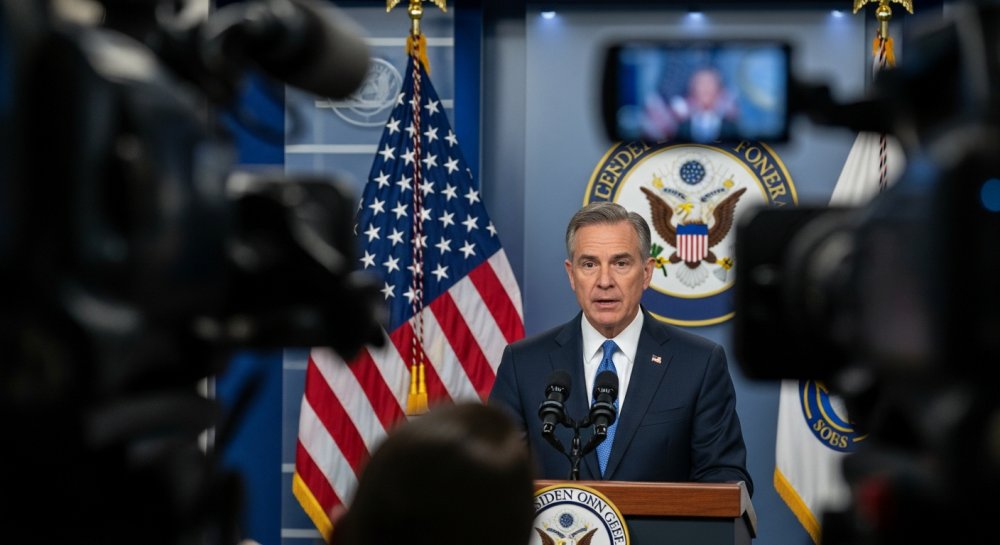
The Department of Defense is implementing a sweeping new health initiative designed to maximize the physical capabilities of America’s fighting forces. Secretary of Defense Pete Hegseth unveiled the “High-T” program in a video announcement on X, signaling a major shift in military health policy.
The program mandates annual testosterone screenings for all active-duty service members age 30 and above. Those diagnosed with low testosterone will have access to replacement therapies designed to restore optimal hormone levels.
The announcement marks a bold departure from traditional military health protocols, emphasizing performance optimization as a critical component of national defense. Hegseth framed the initiative as essential to maintaining American military dominance in an increasingly contested global security environment.
Testosterone levels naturally decline with age, affecting muscle mass, bone density, cognitive function, and overall physical performance—factors directly relevant to combat effectiveness. The Pentagon’s new approach treats hormone optimization as a readiness issue rather than purely a medical concern.
Military health experts have long debated the role of hormone therapy in maintaining force strength. The “High-T” initiative represents the first systematic, service-wide approach to addressing age-related performance decline among America’s warriors.
The program will be implemented across all service branches. Details regarding implementation timelines, specific screening protocols, and therapy options remain under development by military medical officials.
Critics may raise questions about long-term health implications and program costs, but supporters argue that maintaining peak physical capability among troops is a fundamental national security imperative. The investment in warrior health could prove far less expensive than the alternative—a degraded force unable to meet modern battlefield demands.
Hegseth’s initiative reflects a broader Pentagon focus on warfighting capability under the current administration. The emphasis on measurable physical performance standards aligns with conservative priorities of military strength and combat readiness over social policy experimentation.
Let us know what you think, please share your thoughts in the comments below.
