U.S. News
Eight Americans Dead After Charter Plane Crashes at Remote Alaska Military Site

Clear Facts
- A twin-engine Cessna charter plane crashed Thursday at Cape Newenham Long Range Radar Site Airport, killing all eight people on board—two pilots and six passengers
- The crash occurred approximately 450 miles west of Anchorage at a remote military installation used for aerospace defense surveillance
- The National Transportation Safety Board and Alaska Rescue Coordination Center have launched investigations into the fatal incident
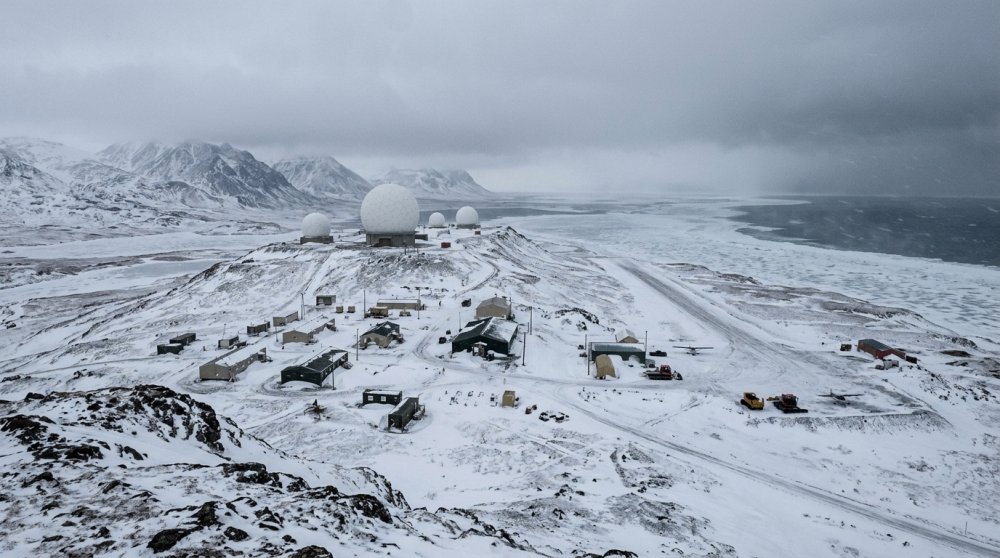
A tragic aviation disaster has claimed the lives of eight Americans after a charter aircraft went down at a remote military radar facility in western Alaska on Thursday. The twin-engine Cessna, operated by Security Aviation, crashed at the Cape Newenham Long Range Radar Site Airport, approximately 450 miles west of Anchorage.
All eight souls aboard perished in the crash—two pilots and six passengers who were being transported from Anchorage to the radar installation located about 40 miles south of Goodnews Bay. The loss represents a devastating blow to both the military community and Alaska’s tight-knit aviation sector.
“This is a devastating loss for our military family and the communities we serve,” U.S. Air Force Lt. Gen. Robert Davis, commander of Alaskan Command, the Alaskan North American Aerospace Defense Command Region and Eleventh Air Force, said in a statement.
The Alaska Rescue Coordination Center initiated search-and-rescue operations immediately after receiving reports of an “aircraft incident” near the Long Range Radar Site. The remote location and harsh Alaskan terrain present significant challenges for emergency response teams working to investigate the crash scene.
Clint Johnson, the National Transportation Safety Board’s Alaska region chief, confirmed the casualty count and indicated that federal investigators are working to determine the cause of the fatal crash. The NTSB will conduct a thorough examination of weather conditions, mechanical factors, and flight operations leading up to the tragedy.
Senator Lisa Murkowski, R-Alaska, expressed her condolences and noted her personal familiarity with the charter company involved in the accident.
“I join Alaskans in condolences as we learn of the plane crash in Cape Newenham today. I’ve traveled extensively with Security Aviation throughout Alaska, and have met many of their experienced pilots.”
The senator continued her statement by acknowledging the swift response from multiple agencies.
“I appreciate the U.S. Coast Guard, NTSB, Alaska State Troopers, and the Rescue Coordination Center for responding to the site. Alaska is praying for those on board, their loved ones, and the team at Security Aviation.”
Security Aviation, the charter operator, has a long-standing reputation serving Alaska’s remote communities and military installations. The company frequently transports personnel and supplies to isolated radar sites and defense facilities across the vast Alaskan wilderness, where reliable air transportation remains essential for maintaining national security infrastructure.
The Cape Newenham Long Range Radar Site is part of America’s aerospace defense network, monitoring airspace over the Bering Sea region. These installations play a critical role in protecting our nation’s northwestern frontier and maintaining vigilance against potential threats from across the Pacific.
Alaska’s challenging aviation environment—characterized by unpredictable weather, vast distances, and limited infrastructure—requires exceptional skill from pilots who serve these remote areas. This tragedy serves as a somber reminder of the risks faced by those who keep Alaska connected and our military installations operational.
Federal investigators will work to piece together the circumstances surrounding this fatal crash, examining all available evidence to prevent future tragedies. The investigation is expected to take several months as officials analyze flight data, wreckage, and environmental conditions.
Let us know what you think, please share your thoughts in the comments below.
