Sports
Former NFL Kicker Proposes Bold Rule Changes League Won’t Want to Hear

Clear Facts
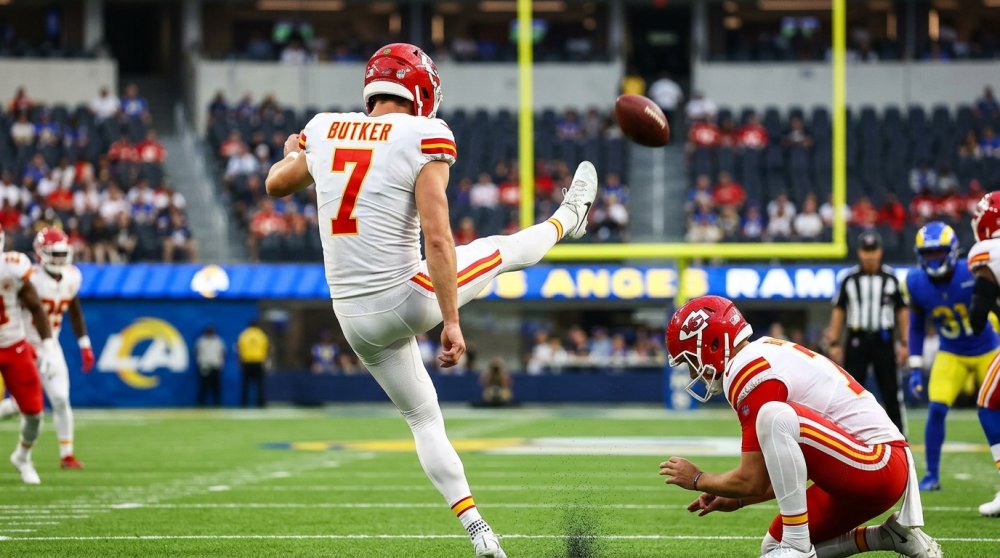
- Chiefs kicker Harrison Butker demonstrated the evolution of NFL kicking with a 69-yard field goal in preseason
- Former BYU placekicker and Congressman Jason Chaffetz proposes four major rule changes to increase excitement
- Proposals include rectangular goal posts, sprint-to-possession openings, and elimination of traditional kickoffs
The NFL has a problem it doesn’t want to admit: the kicking game has become too predictable, too easy, and frankly, too boring to watch.
When Chiefs kicker Harrison Butker launched a 69-yard field goal during preseason, he proved what everyone already knows — today’s kickers are better than ever. They kick higher, farther, and straighter with each passing season. The placekicker typically leads his team in scoring, yet nobody gets excited about it anymore.
The league tried to address this with rule changes on extra points and kickoffs. They failed. It’s time for a complete overhaul, and former BYU placekicker and Congressman Jason Chaffetz has outlined exactly how to do it.
1. Replace the Uprights with a Rectangular Goal
The current field goal setup allows kickers to boot the ball as high as they want, forcing referees to make judgment calls about whether it would have passed between the uprights. That’s not football — that’s guesswork.
A rectangular goal would force placekickers to actually “place” the kick, challenging them to thread the needle without relying on extreme altitude. Suddenly, those routine 38-yard attempts become genuine tests of skill. Extra points would no longer be automatic snack-break moments.
2. Start Games with a Sprint to Midfield
Who wants to watch the NFL’s fastest players actually race each other to open the game? Line up one player from each team on the same goal line. When the referee blows the whistle, they sprint to the game ball at the 50-yard line.
Whoever recovers gets possession starting at their own 20-yard line. If neither team recovers in bounds, the home team takes possession at the 50. This is the kind of explosive, athletic competition fans actually want to see.
3. Replace Kickoffs with Strategic Punts
After scoring, the scoring team gets the ball at their own 35-yard line with one play to advance 20 yards and retain possession. If they fail, the defending team takes over. Most teams will punt — essentially replacing the onside kick with real strategy.
The average NFL punt travels 46.7 yards, typically landing around the 20-yard line. Teams can block it, call for a fair catch, or return it — just like any live punt. The safety concerns of traditional kickoffs disappear, but the excitement level skyrockets.
4. Fix Overtime with College Rules
The current overtime system rewards whichever team wins a coin toss and has a strong kicker. That’s not football — that’s luck. Adopt the college football playoff system: each team gets a possession, no coin toss, home team decides first, then teams alternate until there’s a winner.
These four changes would make games less predictable, more strategic, and far more entertaining to watch. Teams would need to deploy more skill, speed, and creative thinking rather than relying on automatic plays that bore fans to tears.
Chaffetz suggests the NFL test all four changes during next year’s three preseason games to evaluate their impact. And while they’re making improvements, he adds two more: adopt the bigger, softer, safer helmets already available, and eliminate the long halftime lip-syncing concerts that nobody asked for.
Football fans want to watch football — starting with a sprint to midfield and a genuine fight for possession. They want field goals that require precision, not just power. They want overtime decided by actual gameplay, not a coin flip.
The NFL has spent years tinkering around the edges with minor adjustments that haven’t moved the needle. These proposals represent the kind of bold thinking that could actually restore excitement to the parts of the game that have become forgettable.
All NFL-level kickers can hit 70-80 yard field goals in practice. The challenge isn’t whether they can do it — it’s whether the league has the courage to make them prove it under game conditions that actually test their skill rather than rewarding brute force.
The difference between high school, college, and pro kicking has always been distance combined with trajectory. Pros need to get the ball at least 11 feet in the air to avoid blocks, lining up about 7.5 yards behind the line of scrimmage while the defense surges to within 5 yards. They all do it with relative ease now.
Time to make it difficult again. Time to make it interesting. Time to fix the kick.
Let us know what you think, please share your thoughts in the comments below.
