Sports
These Campus Heroes Are Stealing the Spotlight From College Football’s Biggest Stars

Clear Facts
- LSU and Clemson students are training service dog puppies through Canine Companions, a national nonprofit organization that has placed over 8,500 service dogs since 1976
- Student volunteers raise specially bred Labrador Retriever puppies for 14-16 months, teaching them commands and social behavior before professional training
- Canine Companions provides all service dogs at no cost to clients with physical disabilities, cognitive issues, PTSD, and professionals in healthcare, criminal justice, and education
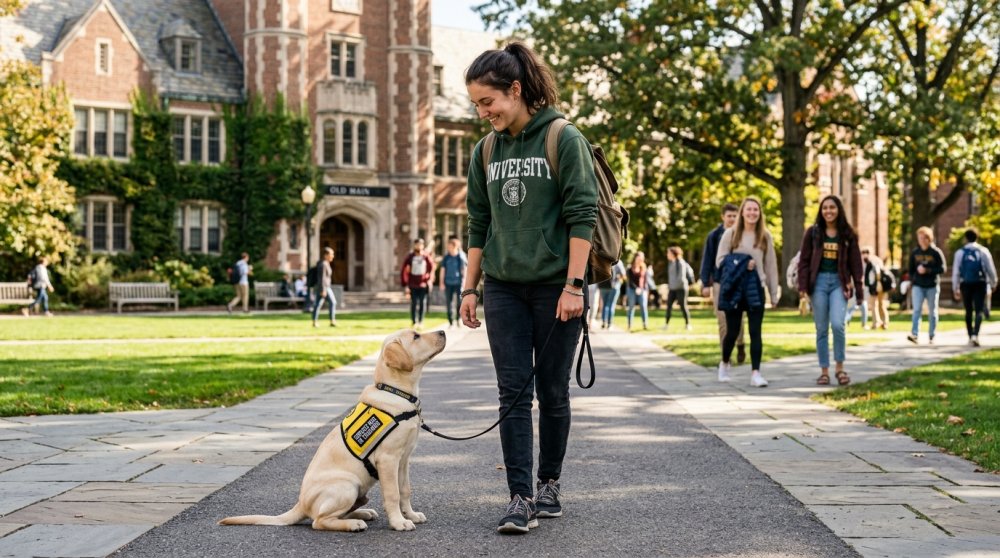
While football may reign supreme at powerhouse programs like LSU and Clemson, there’s a group of four-legged heroes on campus capturing hearts and turning heads everywhere they go. As the two Tiger teams prepare to clash in Baton Rouge on Saturday for the 2026 college football season opener, some of the most popular figures on both campuses aren’t wearing jerseys—they’re wearing service vests.
Students at both universities are participating in a remarkable program through Canine Companions, raising and training adorable Labrador Retriever puppies to become life-changing service dogs for Americans in need. It’s a mission that embodies traditional American values of service, sacrifice, and helping our fellow citizens.
“When people see our dogs on campus, they always stop and say hi and ask to pet them and they’ll want to know about our club,” said Clemson senior Brooke Knight, president of the campus Canine Companions club.
“They’ll want to take pictures. It’s just super cool to see people wanting to interact with us and the dogs.”
The impact of these programs is substantial. Since 2021, Clemson’s club has raised 15 dogs on campus. LSU’s four-year-old club typically raises five dogs annually. These puppies aren’t just pets—they’re future service animals in training, and they’re given special access to classrooms, campus buildings, and events as part of their comprehensive socialization process.
“It definitely makes you popular to walk around with a dog,” said LSU sophomore and club president-elect Finley O’Con, who will receive her first puppy to raise in about two months.
“You’ll talk to 15 people just walking through the quad because they want to know: ‘Why do you have a dog? What’s the dog’s name? Tell me about this club. Tell me about Canine Companions.’ And it’s definitely really good advertisement to have a dog.”
The student “raisers” undergo a comprehensive vetting process before being assigned a puppy around the 8-week mark. They then spend 14 to 16 months providing intensive training and socialization. College campuses provide the perfect environment for this critical phase—quiet libraries teach puppies to settle calmly, bustling quads expose them to crowds and distractions, and sporting events prepare them for chaos and noise.
“Through Canine Companions, it is required that (raisers) attend at least two puppy classes a month. And obviously, there are plenty of chances for the raiser to go home, teach the dog basic commands and then again, at our club meetings we like to show off their talents, and it gets the dog really excited to learn more stuff,” said LSU senior Kelsey Johnson, the club’s current president.
“They have a lot of different opportunities to be able to be trained.”
After approximately 18 months with their raisers, the puppies return to Canine Companions for six to nine months of professional training—the final step before becoming full-fledged service dogs. Clemson junior Allie McCafferty, the club’s vice president, recently said goodbye to her puppy Vinny for this next phase.
“He is the absolute best,” McCafferty said of Vinny.
“He is so incredibly calm. Nothing affects him ever. He’s so cuddly, which is my favorite. He’s incredibly attentive. Any time I look down at him, he’s just staring up at me waiting for me to tell him what to do next.”
Founded in 1975 in Santa Rosa, California, Canine Companions placed its first service dog, Abdul, in 1976. Since then, the organization has placed more than 8,500 dogs. As of January, Canine Companions is working with over 2,800 actively placed service dogs while guiding more than 1,100 raisers nationwide.
The organization’s mission reflects the best of American generosity and ingenuity. For five decades, Canine Companions has assisted people with physical disabilities, cognitive issues, and post-traumatic stress disorder—all at no cost to clients. The dogs also serve professionals in healthcare, criminal justice, and education who need assistance as part of their work.
This noble cause requires genuine selflessness from the student raisers. They invest more than a year of their time, energy, and resources into these beloved animals, knowing they’ll eventually have to say goodbye. It’s a lesson in sacrifice that today’s young people rarely encounter.
LSU senior Ella Menard, the former club president and current vice president, dropped off her dog Loyal for professional training in May. The separation hasn’t gotten easier.
“So Loyal’s now in his second semester (at professional training), which is crazy because it feels like I just dropped him off,” Menard said.
“He’s moving along. He is starting to learn some ambulatory skills, like basic foundational skills for a manual wheelchair. It’s exciting. He’s doing fairly well.”
If a puppy doesn’t complete professional training, raisers are offered the opportunity to adopt their dog back free of charge. But every raiser hopes for success—even though success means heartbreak for them and life-changing assistance for someone in need.
“Turning in Loyal was probably one of the hardest days of my whole life, but it taught me that I can have an attachment to something, that I can love this dog, but know that he’s meant for more,” Menard said.
“He’s going to make somebody’s life a lot better. I think that’s my main takeaway from the club is that you can do hard things. The heartbreak was hard, but the joy (Loyal) brought me was worth all the tears.”
In an era when college campuses are often criticized for promoting self-absorption and victimhood mentality, these students are demonstrating something far more valuable: genuine service to others. They’re learning that real fulfillment comes from sacrifice, that some causes are bigger than ourselves, and that Americans help Americans.
These young people aren’t seeking social media fame or participation trophies. They’re quietly doing the hard work of training service animals that will transform lives. That’s the kind of character and commitment that built this nation—and the kind we need more of today.
To learn more about Canine Companions or to donate, visit canine.org.
Let us know what you think, please share your thoughts in the comments below.
