U.S. News
National Park Closes Trails After Bear Attacks Leave Visitor Injured

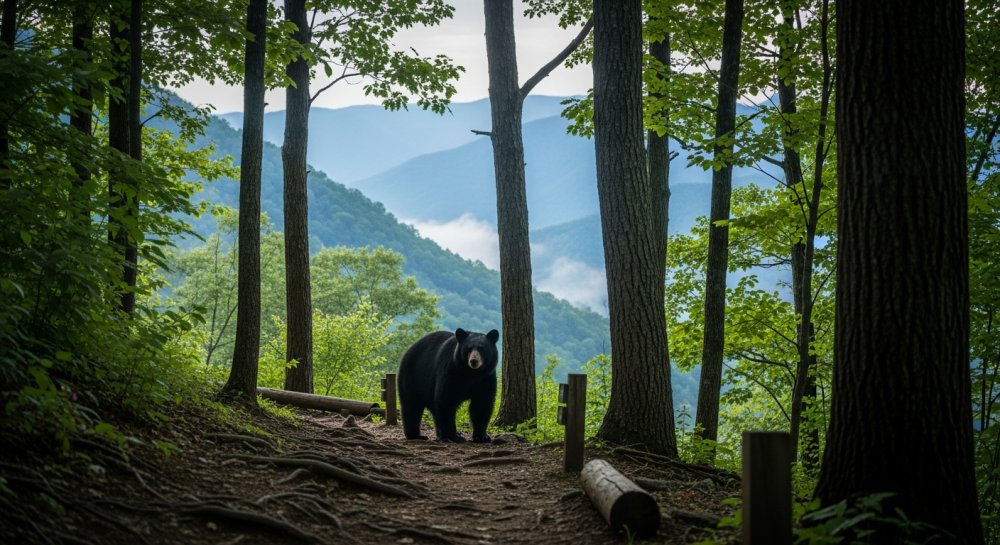
Clear Facts
- A visitor was bitten and injured by a bear at Great Smoky Mountains National Park, prompting immediate trail closures
- Park officials closed the Forney Ridge and Clingmans Dome trails following multiple incidents of bears chasing and attacking visitors
- The attacks mark a concerning escalation in bear-human encounters at one of America’s most visited national parks
Great Smoky Mountains National Park officials have closed multiple popular trails after bears attacked visitors, leaving at least one person injured. The incidents have raised serious questions about public safety management at the nation’s most visited national park.
Park authorities shut down the Forney Ridge Trail and portions of the Clingmans Dome Trail system after bears not only chased visitors but physically attacked them. The injured visitor received medical attention for bite wounds sustained during the encounter.
The trail closures affect some of the park’s most scenic and heavily trafficked areas. Clingmans Dome stands as the highest point in the Great Smoky Mountains and typically draws thousands of visitors seeking panoramic views of the Appalachian range.
Park officials have not disclosed the full extent of the visitor’s injuries or whether the bears involved were identified and tracked. The decision to close trails rather than relocate or remove aggressive bears has sparked debate among outdoor recreation advocates.
Wildlife management experts note that bear attacks typically occur when animals become habituated to human presence or when visitors fail to properly secure food and trash. The Great Smoky Mountains is home to approximately 1,500 black bears, one of the densest populations in the eastern United States.
National Park Service protocols generally call for monitoring aggressive bears rather than immediate removal, unless the animal poses a clear and ongoing threat to human safety. Critics argue this approach prioritizes wildlife management over visitor protection.
The closures come during peak visitation season when families across America take advantage of spring weather to explore national parks. The Great Smoky Mountains receives over 12 million visitors annually, making it the most visited unit in the entire National Park system.
Park officials have advised all visitors to maintain safe distances from wildlife, properly store food and scented items, and report any aggressive animal behavior immediately. The closed trails will remain off-limits until wildlife managers determine the bear threat has been adequately addressed.
This incident underscores the ongoing challenge of balancing conservation goals with public safety at America’s national parks. As visitation numbers continue to climb, encounters between humans and wildlife become increasingly common and potentially dangerous.
Let us know what you think, please share your thoughts in the comments below.
