Health
These Popular Grocery Items Contain Chemical Residues Experts Say Threaten Your Health

Clear Facts
- Independent testing has revealed concerning levels of glyphosate and other chemical residues in common processed foods across American supermarkets
- Health experts and consumer advocates warn that regular consumption of heavily processed foods correlates with increased obesity rates and chronic health conditions
- The investigation highlights how ingredient labeling often fails to disclose the full extent of chemical exposure in everyday food products
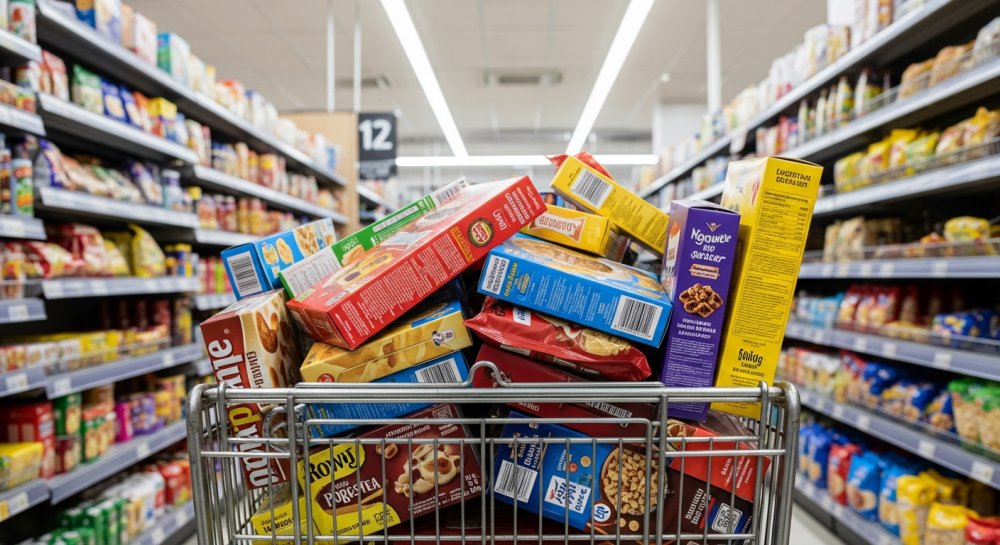
American families filling their grocery carts with convenient, processed foods may be exposing themselves to alarming chemical residues that health experts say pose serious long-term risks. New testing reveals what many conservative health advocates have warned about for years: the modern food supply chain prioritizes shelf life and profits over consumer wellbeing.
Independent laboratory analysis has identified concerning levels of glyphosate residues in products ranging from breakfast cereals to snack foods. These findings raise critical questions about regulatory oversight and corporate accountability in the food industry.
The reality is that many products marketed as convenient family staples contain ingredients linked to weight gain, metabolic disorders, and other chronic health conditions. Conservative health advocates have long argued that Americans deserve transparent labeling and meaningful regulatory standards that protect families rather than shield corporate interests.
Chemical residues in processed foods represent just one dimension of a broader problem. Many of these products rely on high-fructose corn syrup, artificial additives, and heavily refined oils that contribute to America’s obesity epidemic. The processed food industry has resisted calls for reformulation, instead spending millions on marketing campaigns that obscure health risks.
Health-conscious consumers increasingly recognize that the convenience of processed foods comes at a steep price. Traditional American values emphasize self-reliance and informed decision-making—principles that apply directly to food choices. Families deserve access to clear information about what they’re feeding their children.
The connection between processed food consumption and declining public health cannot be ignored. Rising obesity rates, particularly among children, correlate directly with increased reliance on packaged, chemically treated products. Conservative policy experts argue that addressing this crisis requires both regulatory reform and cultural change that prioritizes nutrition over convenience.
Food manufacturers have consistently fought against stricter labeling requirements and safety testing protocols. This resistance suggests an industry more concerned with protecting profit margins than safeguarding consumer health. American families deserve better from companies that claim to serve their nutritional needs.
The presence of glyphosate residues in everyday foods represents a fundamental breach of trust between producers and consumers. This herbicide, widely used in conventional agriculture, has been the subject of ongoing scientific debate regarding its safety. Yet American families continue consuming products containing measurable levels of this chemical, often without their knowledge.
Conservative health advocates emphasize that addressing food safety concerns aligns with core principles of personal responsibility and limited government. Rather than expanding bureaucratic oversight, reforms should focus on transparency, accountability, and empowering consumers to make informed choices. The free market works best when accurate information flows freely.
Breaking dependence on processed foods requires both individual initiative and systemic change. Families can prioritize whole foods, read labels carefully, and support local producers committed to traditional agricultural practices. At the policy level, conservatives should champion disclosure requirements that give Americans the information they need without creating unnecessary regulatory burdens.
The processed food industry’s influence extends beyond grocery store shelves into school cafeterias, hospital vending machines, and government nutrition programs. This widespread presence makes avoiding problematic products increasingly difficult, particularly for families with limited time and resources. Common-sense reforms must address these institutional challenges.
America’s food supply deserves the same scrutiny and standards we apply to other consumer products. The presence of chemical residues in products marketed to families—particularly children—demands immediate attention from both regulators and industry leaders. Conservative principles of accountability and transparency must guide this conversation.
Let us know what you think, please share your thoughts in the comments below.
