Health
Hollywood Action Star Credits Wife With Life-Saving Discovery After Rare Diagnosis

Clear Facts
- Actor Tyler Mane, 59, known for playing Sabretooth in ‘X-Men’ and Michael Myers in ‘Halloween,’ was diagnosed with invasive ductal carcinoma breast cancer after his wife insisted he get a lump checked.
- Male breast cancer affects approximately 1 in 755 men, with an estimated 2,670 new cases and 530 deaths expected in the U.S. in 2026.
- Mane underwent surgery to remove a 28-millimeter tumor and is currently undergoing chemotherapy and radiation treatment after catching the cancer at Stage 1.
Tyler Mane, who brought some of Hollywood’s most fearsome characters to life on screen, is now fighting a different kind of battle — one that highlights a often-overlooked health threat facing American men. The former professional wrestler and actor has been diagnosed with breast cancer, a condition most men don’t even know they can develop.
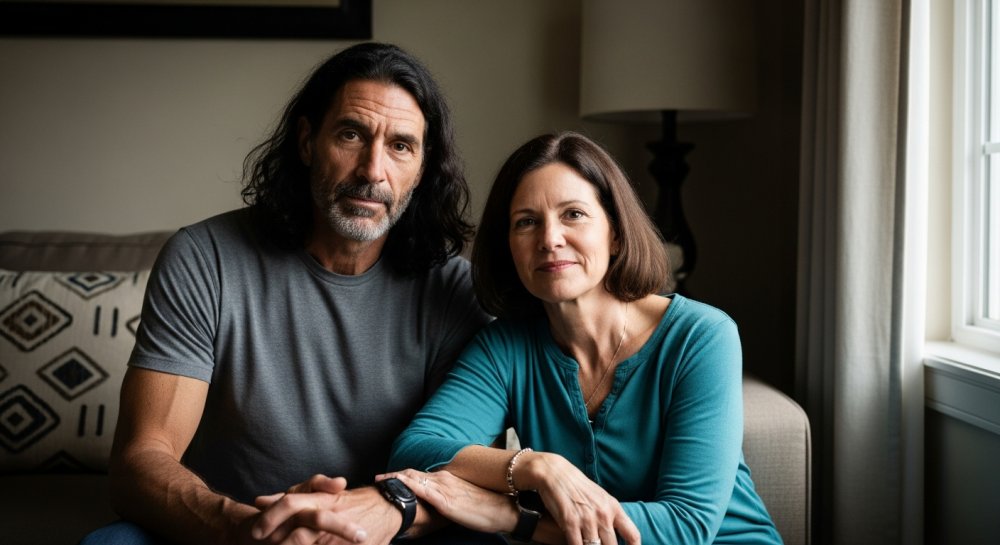
The 59-year-old is launching a new podcast with his wife Renae called “Mane AF,” where they’ll discuss their journey through his cancer diagnosis. Mane, who played Sabretooth in the original “X-Men” film and reprised the role in 2024’s “Deadpool & Wolverine,” also portrayed Michael Myers in Rob Zombie’s “Halloween” films and appeared in “Troy.”
“She just kept insisting,” Mane told Fox News Digital about his wife’s encouragement to see a doctor.
“I kept talking about it, ‘I have this lump here still, and it’s hard.’ And she was very insistent because women are trained from a certain age that if they feel something in their breast area, go get it checked out.”
“I have to thank her. She saved my life by saying, ‘Get in there and get tested.'”
When Mane first noticed the lump, he assumed it was a lipoma — a benign fatty growth he’d had removed before. This time felt different, but like many men, he initially dismissed it. His wife wouldn’t let it go.
“To be honest, even my doctor said, ‘Oh, it’s probably nothing. It’s probably just a lipoma,'” Mane recalled.
“And then, when I went in for the [surgery], he said, ‘You probably want to get that removed, but it’s probably nothing.’ It’s just dismissed so much that you have to be an advocate for your own body. And I’m just so thankful that she was an advocate for my body. Otherwise, it could have been a whole different story.”
Doctors removed a 28-millimeter tumor. Mane thought nothing of it initially, even going on a trip after the Thursday surgery. He returned home and was back at work at 6 a.m. when he received the diagnosis: invasive ductal carcinoma.
“I went and woke my wife up. She’s like, ‘This is not good.’ She was half-asleep but woke up very quickly. And that’s when our journey began.”
Male breast cancer remains largely unknown among American men. The American Cancer Society estimates approximately 2,670 men in the United States will be diagnosed with invasive breast cancer in 2026, with about 530 deaths from the disease. The lifetime risk stands at roughly 1 in 755 men.
The most common symptom is a firm, usually painless lump under or near the nipple. Other warning signs include skin dimpling, nipple retraction, and nipple discharge. Mane experienced only the lump before his diagnosis.
Male breast cancer accounts for fewer than 1% of breast cancers in America. Standard screening mammograms aren’t typically recommended for men, even those at elevated risk, according to the National Cancer Institute.
“This is a cancer that anyone can get,” Mane emphasized.
“If you feel something different in your chest than the norm, you have to go get it checked out and tested. You have to insist on getting tested and checked. You have to be the best advocate for yourself.”
“For sure, I wanted to keep my diagnosis private at the beginning because I felt a bit ashamed,” Mane admitted.
“I was like, ‘How can I have breast cancer?’ But then I quickly turned to, ‘No, I got to talk about this because this is a very serious issue that men don’t usually deal with.'”
While male breast cancer can strike at any age, risk increases as men grow older, according to the American Cancer Society. Treatment typically begins with surgery, followed by chemotherapy, hormone therapy, or radiation depending on the cancer’s stage and the patient’s health.
“I was a Stage 1, so we got it early,” Mane said.
“Now we’re into the chemotherapy … to make sure that it’s completely out of my system … and then after the chemotherapy, I have some radiation to make sure we hit that area specifically.”
The treatment has proven challenging for the action star known for his physical prowess.
“Chemotherapy is hard on your system,” he explained.
“Unless you’ve gone through it, you can’t even imagine what it does to your body, and it’s a repetitive cycle. It’s not like you get an injury, and you rehabilitate it, or like when I had my hips replaced, and it’s one and done. With chemotherapy, it’s ongoing. You have your chemo treatment, where they put all of the chemicals into you.”
“You feel like c— for about the first week, and then you have a couple of weeks where you’re like, ‘I’m just getting back to normal now,’ and then you have to go in, sit in that chair again and have that pumped into your body again to kill off the cancer cells. It’s about the hardest thing to psych yourself up for.”
“Right now, I want to take a nap, but I’ve got the metal mouth. And that’s one thing: every round I’ve had something different thrown at me. I couldn’t lift my shoulder over my head. One time I broke out in hives. But it’s just your body trying to kick it out and get ready for the next round.”
Drawing on the same strength that made him convincing as Hollywood’s most fearsome villains, Mane is approaching his cancer battle with determination, supported by his wife throughout the process.
“I knew I had it in me,” he said with a smile.
“You have to have a positive attitude, and I’ve stayed positive no matter what. You have to stay positive. As soon as you let yourself get down, then it’s a downhill slide from there. And I need to stick around for my wife and my family. It’s time to step up and do what I have to do.”
Mane plans to use his podcast platform to raise awareness about male breast cancer, including bringing his oncologist on as a guest. His message to other American men is straightforward: trust your wife’s instincts about your health.
“All you guys out there, listen to your wives when they tell you to get checked,” he said.
Let us know what you think, please share your thoughts in the comments below.
