U.S. News
Woman Airlifted After Rattlesnake Strike as Southern California Sees Alarming Spike in Attacks

Clear Facts
- A female hiker was airlifted from Long Canyon Trail in Simi Valley’s Wood Ranch community Thursday after a rattlesnake bite, the seventh such incident in Ventura County since mid-March
- Recent heat has driven rattlesnakes to become active earlier than their typical late-summer pattern, creating dangerous conditions on local trails
- A Thousand Oaks woman died in March after a rattlesnake bite at nearby Wildwood Regional Park, highlighting the serious threat these encounters pose
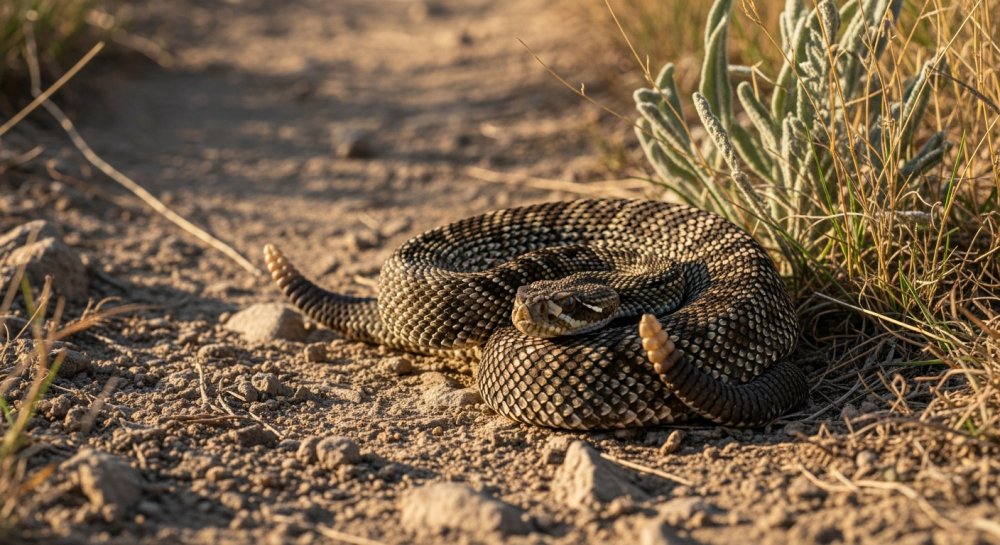
A day on the trail turned into a life-threatening emergency for a Southern California hiker when a rattlesnake struck Thursday afternoon on a remote stretch of the Long Canyon Trail in Simi Valley’s Wood Ranch area. The woman had to be airlifted to safety as Ventura County grapples with an unprecedented surge in venomous snake encounters.
Emergency crews transported the victim from the rugged trail to Los Robles Regional Medical Center where she received anti-venom treatment. She remains in stable condition with what officials describe as minor injuries, but the incident marks a disturbing trend that has local authorities on high alert.
This was the seventh reported rattlesnake bite in Ventura County since mid-March—a concerning increase that comes as unseasonably warm temperatures have accelerated snake activity months ahead of schedule. Typically, rattlesnake sightings spike later in the summer, but recent heat waves have changed that pattern dramatically.
Ventura County Fire Department Public Information Officer Andrew Dowd confirmed the uptick in incidents to Fox News Digital.
“This was the seventh reported snakebite in Ventura County since mid-march, however — at least two of these have not occurred on hiking trails and hiking areas.”
Dowd put the numbers in perspective while acknowledging the severity of each case.
“While the total number of rattlesnake bites has increased for the same period as last year (we had 9 total in 2025) — it is still a very small number of the total calls we run here in the county. Still, these are serious emergencies and traumatic for the people who experience them. We always encourage residents and visitors to call 911 immediately if they are bitten.”
The stakes couldn’t be higher. Just two months ago, a Thousand Oaks woman lost her life after a rattlesnake bite at Wildwood Regional Park—located only a short distance from Thursday’s incident. That tragic death serves as a sobering reminder that while fatalities from rattlesnake bites remain rare, the consequences can be devastating.
According to Poison Control, rattlesnake venom causes immediate pain and swelling around the bite site that can rapidly worsen and lead to severe tissue damage. Depending on the species, the venom can also interfere with the blood’s clotting ability, causing dangerous internal bleeding. These are not minor medical events—they require immediate professional intervention.
For outdoor enthusiasts who refuse to let fear keep them from California’s beautiful trails, fire officials are urging common-sense precautions. Dowd emphasized that proper preparation can make all the difference.
Avid hikers should wear long pants, sturdy boots, and gaiters when venturing into snake territory. Staying on designated trails and avoiding dense vegetation where snakes often hide are critical safety measures. The wilderness demands respect, and those who venture into it bear responsibility for their own safety.
If the worst happens and a rattlesnake strikes, victims must stay calm and limit movement to slow venom spread. Call 911 immediately and seek emergency medical attention. Fire officials warn against dangerous myths like attempting to suck out venom or applying ice—these folk remedies do nothing but waste precious time that could be spent getting professional help.
As temperatures continue to climb and snake activity remains elevated, Southern California residents face a choice: stay informed, stay prepared, and continue enjoying the great outdoors responsibly—or let fear win. The data shows these incidents, while increasing, still represent a tiny fraction of outdoor emergencies. With proper precautions and quick action when needed, hikers can safely navigate even this heightened threat.
Let us know what you think, please share your thoughts in the comments below.
