U.S. News
Duffy Rejects Budget Airline Bailout After Spirit Collapse

Clear Facts
- Transportation Secretary Sean Duffy said the government does not need to bail out low-cost airlines seeking $2.5 billion in relief following Spirit Airlines’ collapse
- Budget airlines requested government assistance to offset jet fuel costs that have roughly doubled due to the U.S.-Israeli conflict with Iran
- Major U.S. carriers opposed the bailout, arguing it would reward poor business decisions and punish airlines that managed costs responsibly
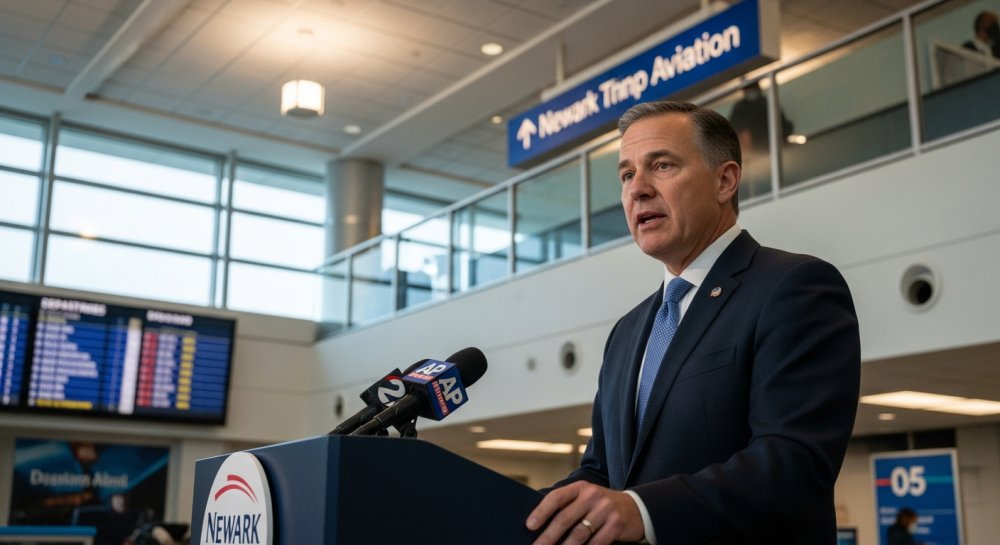
Transportation Secretary Sean Duffy delivered a firm message to struggling budget airlines on Saturday: the federal government won’t be writing blank checks. Speaking at Newark airport, Duffy addressed requests from low-cost carriers seeking $2.5 billion in taxpayer-funded relief following the collapse of Spirit Airlines.
“At this point, I don’t think it’s necessary. They do have access to cash,” Duffy said at the press conference.
“If they want to come to the U.S. government, we would be a lender of last resort. If they can find dollars in the private markets — I think that’s better for them.”
The Transportation Secretary raised concerns that some airlines viewed the Spirit situation as an opportunistic cash grab rather than a genuine emergency. He noted the prospect of a Spirit bailout was seen by some carriers as a chance to get money “not necessarily based on need, but based on opportunity.”
Earlier this week, the Association of Value Airlines—representing carriers including Frontier and Avelo—proposed a deal where airlines would exchange warrants convertible into equity stakes in return for $2.5 billion in federal assistance. The group claimed the money would exclusively offset incremental fuel costs to “stabilize operations and keep airfares affordable during this period of volatility.”
The budget carriers also requested Congress suspend the 7.5% federal excise tax on airline tickets and the $5.30 per segment tax. Waiving these fees would offset approximately one-third of their increased fuel expenses.
The situation stems from an unintended consequence of the U.S.-Israeli conflict with Iran: jet fuel prices have roughly doubled, squeezing profit margins and pushing financially weaker airlines toward collapse. Chief executives from several low-cost carriers met with Duffy and Federal Aviation Administration chief Bryan Bedford last week to pitch their proposal.
The $2.5 billion figure represents how much more these airlines expect to spend on jet fuel this year compared with their earlier forecasts.
Airlines for America, representing major U.S. passenger carriers, strongly opposed any bailout for budget airlines.
“Government intervention on behalf of those airlines would punish other airlines that have engaged in self-help in order to deal with increased costs and reward airlines who haven’t made those tough decisions. That’s not a level playing field,” the group stated.
The organization argued that propping up businesses unable to earn their cost of capital ultimately harms competition and consumers by making it harder for well-managed airlines to compete and attract private investment.
The Association of Value Airlines fired back at this criticism, claiming government policy has historically favored major carriers.
“The current surge in jet fuel prices is not the result of poor decision-making or a lack of discipline by value airlines. It is an uncontrollable, extraordinary external shock that disproportionately impacts business models built on offering consistently affordable fares to price-sensitive travelers,” the association said.
The standoff highlights a fundamental question about government’s role in private enterprise: should taxpayers rescue companies facing market pressures, or should free-market principles determine which businesses survive? Secretary Duffy’s position appears clear—private markets should lead, with government serving only as an absolute last resort.
Let us know what you think, please share your thoughts in the comments below.
