Politics
Gas Prices Cross $4 as Iran Conflict Escalates

Clear Facts
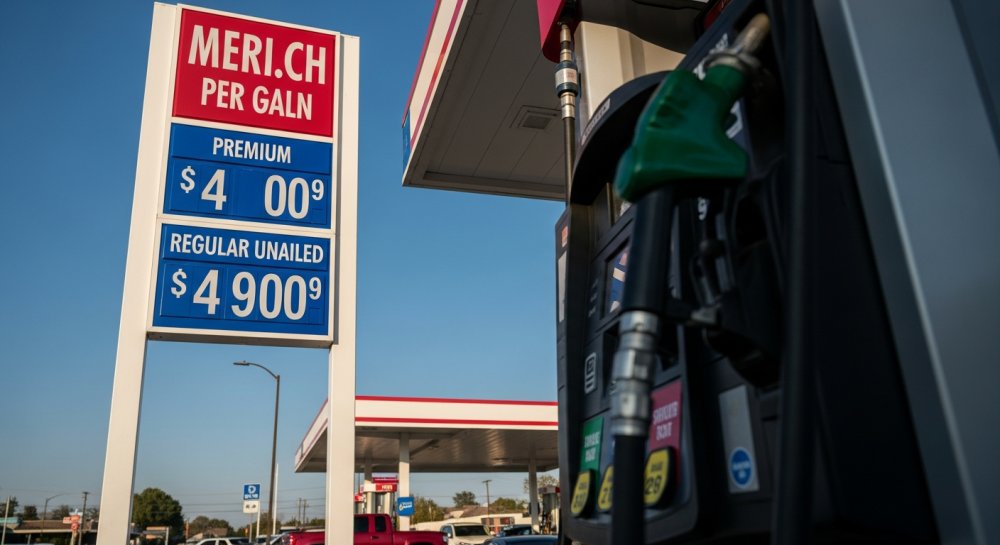
- National average gas prices have surpassed $4 per gallon following renewed military operations involving Iran
- The price increase marks a return to elevated fuel costs seen earlier this year
- Rising energy costs are directly linked to Middle East instability and the ongoing effort to prevent Iran’s nuclear weapons program
American drivers are once again facing sticker shock at the pump as the national average price for gasoline climbs above the $4 threshold. The spike comes amid renewed military tensions with Iran, raising familiar questions about the balance between national security imperatives and economic pain for working families.
The price surge represents a return to the difficult trade-offs Americans confronted earlier this year. The central question remains unchanged: how much economic strain should everyday citizens endure in pursuit of preventing a hostile regime from acquiring nuclear weapons capability?
Energy markets have responded swiftly to the escalating situation in the Middle East, with crude oil prices rising and supply concerns mounting. The volatility underscores America’s continued vulnerability to overseas conflicts and the strategic importance of domestic energy production.
For millions of American households already struggling with elevated costs for groceries, housing, and other essentials, the jump in fuel prices adds another layer of financial pressure. Commuters, small business owners, and families planning summer travel are all feeling the immediate impact at the gas station.
The situation highlights the complex intersection of foreign policy, national security, and domestic economic concerns. While preventing nuclear proliferation remains a critical objective, the economic consequences of military engagement ripple through every corner of the American economy.
Energy independence advocates point to moments like these as evidence that America must prioritize domestic production capabilities. Reducing reliance on Middle Eastern oil supplies, they argue, would insulate American consumers from the price shocks that accompany regional conflicts.
The current price spike also raises questions about strategic petroleum reserves and whether the administration will take steps to mitigate the impact on consumers. Previous releases from emergency stockpiles have provided temporary relief but cannot substitute for long-term energy security strategies.
As the Iran situation continues to develop, Americans face an uncertain outlook for fuel costs in the months ahead. The trajectory of gas prices will depend heavily on how military operations proceed and whether diplomatic solutions can be found to address the nuclear threat.
Let us know what you think, please share your thoughts in the comments below.
