Crime
Atlanta’s $100 Million Rail Security Investment Faces Unexpected Challenge

Clear Facts
- Atlanta’s MARTA installed security gates costing over $100 million to prevent fare evasion on rail lines
- Multiple reports and viral videos show individuals breaking through the new security barriers
- Critics question the effectiveness and return on investment of the expensive fare enforcement system
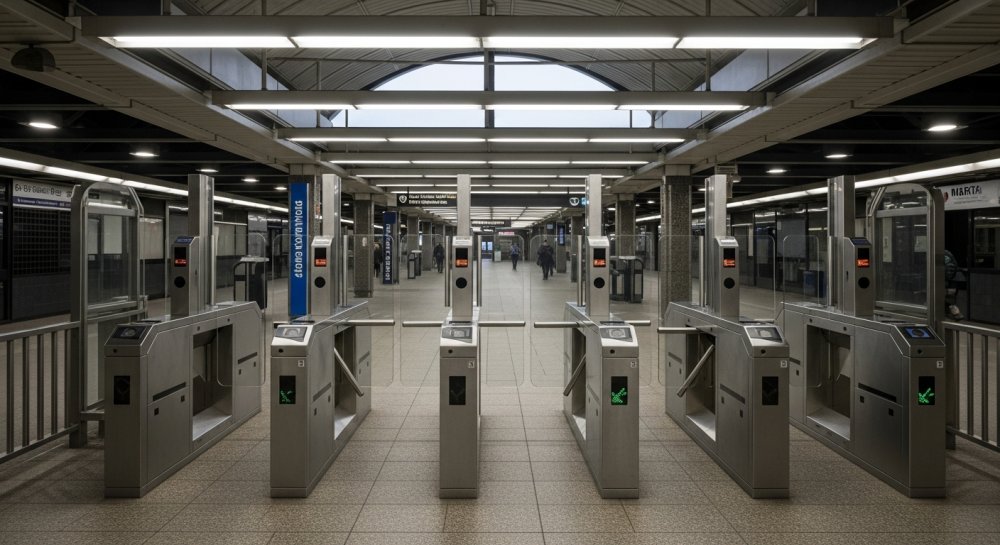
Atlanta’s Metropolitan Atlanta Rapid Transit Authority (MARTA) is facing scrutiny after investing more than $100 million in new security gates designed to prevent fare evasion, only to see those barriers literally broken through by determined riders.
The transit system installed the high-tech gates across its rail stations in an effort to recoup lost revenue from riders who skip the $2.50 fare. However, videos circulating on social media show individuals simply forcing their way through the barriers, raising serious questions about the return on taxpayer investment.
Skipping a $2.50 MARTA fare might not seem like a big deal, but if it happens again and again, it could now lead to a felony charge under Georgia law.
MARTA officials say the stricter rule is meant to stop people from riding without paying and keep the system running properly. pic.twitter.com/dM6qgyjLLm
— Everything Georgia (@GAFollowers) July 2, 2026
Meanwhile at a BART fare evasion gate in SF (to save $2.55) pic.twitter.com/TdSxenaeeu
— End Wokeness (@EndWokeness) July 2, 2026
The fare evasion problem has long plagued urban transit systems across America, costing millions in lost revenue annually. MARTA officials believed the new gate system would provide a technological solution to this persistent issue while maintaining a welcoming environment for paying customers.
Critics of the system argue that the massive expenditure represents fiscal mismanagement, especially when the barriers can be defeated through brute force. The cost per gate station far exceeds what many conservative policy experts consider reasonable for fare enforcement infrastructure.
Transit officials have acknowledged the challenges but maintain that the majority of riders comply with fare requirements. They note that the new system has reduced fare evasion compared to previous years, though exact figures remain disputed.
“A felony conviction is not worth $2.50,” one MARTA official stated when discussing enforcement policies, highlighting the agency’s reluctance to pursue criminal charges for fare evasion.
This approach reflects a broader debate in American cities about enforcement priorities and the proper use of law enforcement resources. Conservative advocates argue that consistent enforcement of all laws, including fare requirements, maintains order and respect for the rule of law.
The situation in Atlanta mirrors challenges faced by transit systems in other major cities, where expensive technological solutions have sometimes proven less effective than traditional enforcement methods. New York, San Francisco, and Washington D.C. have all grappled with similar fare evasion issues.
Taxpayer advocates question whether the $100 million investment represents the most effective use of public funds. Some suggest that a combination of increased personnel, stricter enforcement policies, and more modest physical barriers might have achieved better results at lower cost.
MARTA continues to evaluate its fare enforcement strategy while dealing with the reality that determined individuals will find ways around even expensive security measures. The transit authority has not announced whether additional modifications or enforcement changes are planned.
The incident serves as a case study in the challenges of urban infrastructure investment and the limitations of technology as a substitute for consistent policy enforcement and personal accountability.
Let us know what you think, please share your thoughts in the comments below.
