Finance
Delta CEO’s Pricing Admission Ignites Consumer Fury Over Permanent Fare Hikes

Clear Facts
- Delta Air Lines CEO Ed Bastian stated the airline will retain higher ticket prices even if fuel costs decline, sparking widespread consumer backlash
- The airline expects fuel costs to increase by $2 billion this quarter due to supply disruptions from the Iran war
- United Airlines has raised ticket prices by up to 20% and aims to recover 100% of increased fuel costs from passengers
Air travelers hoping for relief from soaring ticket prices shouldn’t hold their breath. Even if fuel costs stabilize, America’s major airlines are making it clear they have no intention of lowering fares anytime soon.
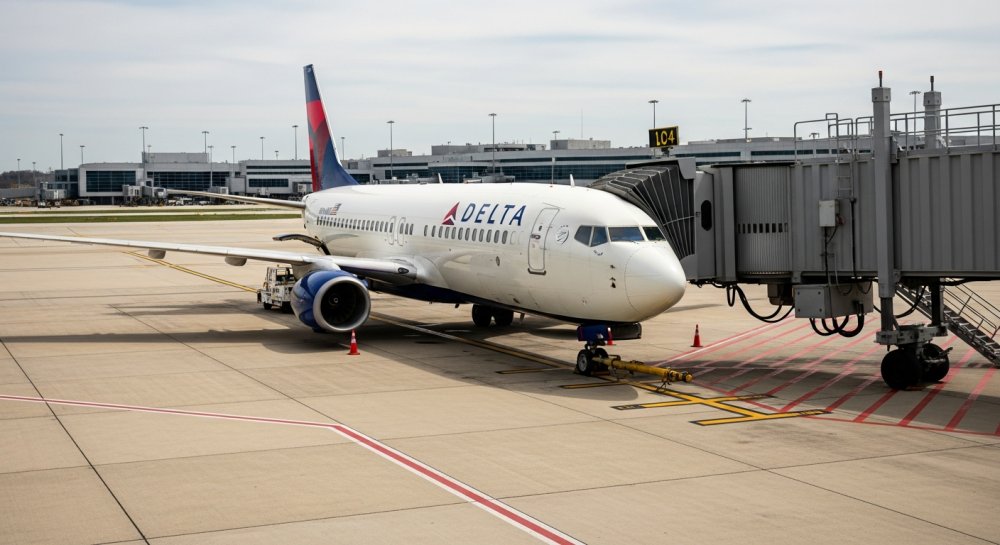
Delta Air Lines CEO Ed Bastian drew sharp criticism after comments during an earnings call earlier this month. He indicated the airline would “retain any of the pricing strength” gained in the current environment, even if fuel prices decline.
“Help us boost our margins this year and clearly into next year,” Bastian said, referring to potential lower fuel costs as a profit opportunity rather than savings to pass on to customers.
“It’s hard to call anything temporary,” he added, signaling a possible permanent shift in airline pricing strategy.
The ongoing war in Iran has disrupted global oil supplies, with about 20% of the world’s oil normally passing through the Strait of Hormuz. A U.S. naval blockade has sharply reduced ship traffic through this critical chokepoint, driving up airline fuel costs industrywide.
Delta expects its fuel bill to jump by approximately $2 billion this quarter as jet fuel prices have spiked dramatically since late February. Analysts report that carriers have already added fuel surcharges to longer routes and raised baggage fees to offset rising expenses.
Bastian’s candid remarks about keeping prices high regardless of cost reductions quickly sparked outrage across social media platforms. American consumers, already squeezed by inflation across multiple sectors, saw the comments as confirmation of corporate price gouging.
“Delta CEO saying the quiet part out loud,” one widely shared post on X read, accusing the airline of using the crisis to permanently raise prices.
“If you give them an inch, they will rob you,” one commenter wrote.
Other users criticized the broader airline industry for never missing “a chance to price gouge,” while pointing to past government bailouts and consolidation among major carriers that has reduced competition.
The backlash comes as airlines navigate the complex dynamics of high travel demand paired with volatile operating costs. Despite significantly higher fares, Delta reports that bookings remain strong, with demand for premium seats continuing to rise.
Delta is not alone in warning travelers about steep fare increases ahead. United Airlines announced it is raising ticket prices by as much as 20% to offset soaring jet fuel costs tied to the Iran war.
“Recover 100%” of increased fuel costs, United CEO Scott Kirby said, making clear the airline’s intention to pass every dollar of additional expenses directly to passengers.
United executives indicated fares may need to stay elevated and could become permanent if high fuel prices persist, echoing Delta’s position that current pricing levels represent the new normal rather than a temporary adjustment.
The airline industry’s coordinated messaging on permanent price increases has raised questions among consumer advocates about whether reduced competition following decades of mergers has emboldened carriers to maintain high fares regardless of underlying cost changes. With only four major carriers controlling most domestic air travel, passengers have limited alternatives when facing industrywide price hikes.
For working American families planning vacations or necessary travel, the prospect of permanently elevated airfares represents another blow to household budgets already strained by inflation in housing, food, and energy costs.
Let us know what you think, please share your thoughts in the comments below.
