Health
Kennedy Targets Hidden Chemical Loophole in America’s Food Supply

Clear Facts
- HHS Secretary Robert F. Kennedy Jr. has proposed a new rule to eliminate a loophole allowing companies to add chemical substances to food without FDA notification
- The current system permits manufacturers to self-determine ingredient safety without government oversight
- The proposal represents a major shift toward increased federal oversight of food additives and chemical ingredients
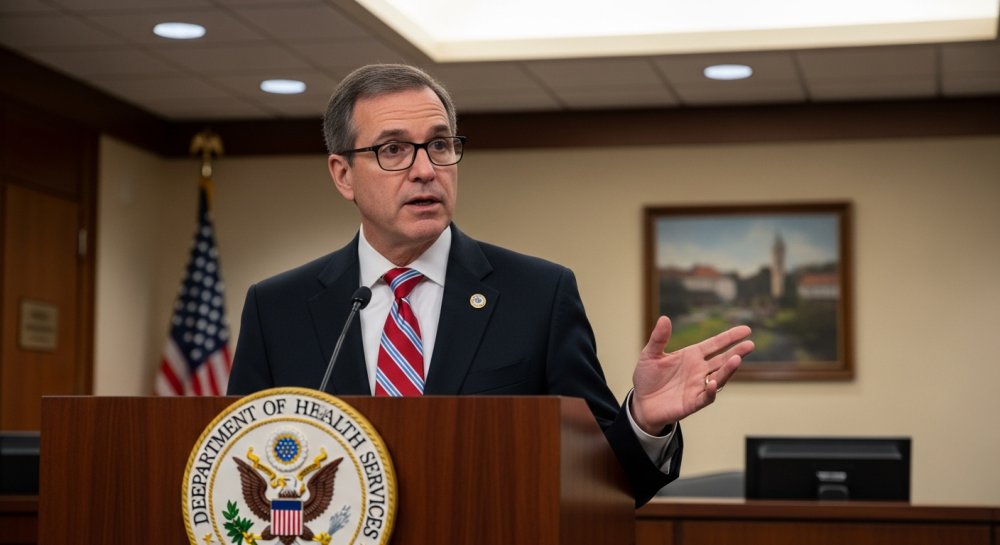
Health and Human Services Secretary Robert F. Kennedy Jr. is taking aim at a little-known regulatory gap that has allowed food manufacturers to bypass federal oversight for decades. The proposed rule would eliminate the practice of companies independently declaring chemical ingredients safe for consumption without ever informing the Food and Drug Administration.
Under the current system, manufacturers can make their own determinations about whether new chemical substances are safe to add to the American food supply. This self-certification process operates entirely outside FDA review, leaving consumers in the dark about what ingredients are entering their food and who decided they were safe.
.@SecKennedy with two major announcements on transparency in our food supply:
"We're proposing a rule that would end the practice of companies making GRAS (Generally Recognized as Safe) determinations without notifying the FDA. The proposal will give the agency greater… pic.twitter.com/ASXYUA8Iye
— Rapid Response 47 (@RapidResponse47) August 10, 2026
The proposed regulatory change would require companies to notify the FDA before introducing new chemical additives to food products. This represents a fundamental restructuring of how food safety is monitored and enforced at the federal level.
Kennedy’s move comes amid growing concerns about the proliferation of synthetic chemicals and additives in processed foods. The proposal signals a more aggressive approach to food safety oversight, particularly regarding substances that Americans consume daily without knowledge of their origins or approval process.
The rule change would close what critics have long characterized as a regulatory blind spot, forcing greater transparency and accountability from food manufacturers. Industry groups are expected to weigh in during the public comment period that typically follows such regulatory proposals.
Let us know what you think, please share your thoughts in the comments below.
