Science & Tech
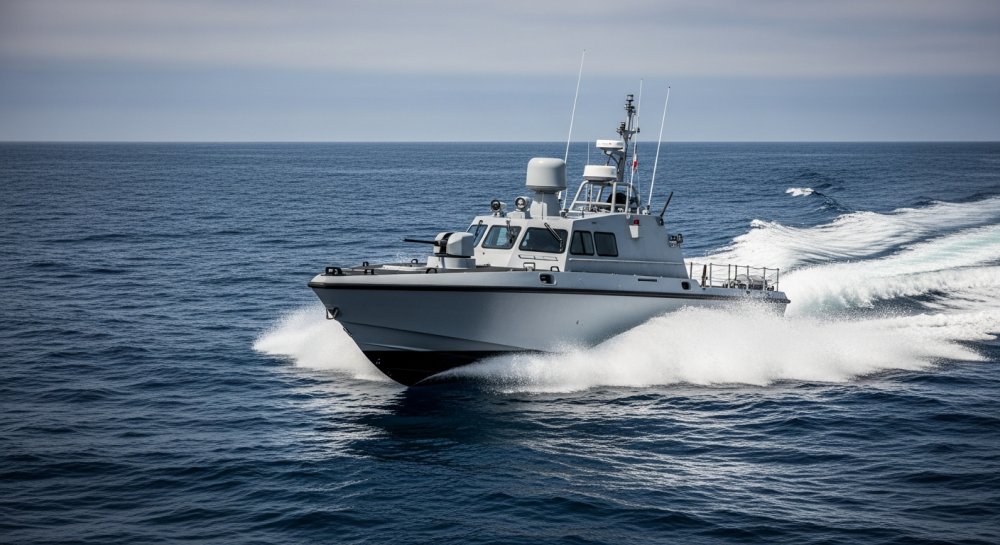
Navy Unleashes New Autonomous Attack Vessel in Pacific Waters

Clear Facts
- The U.S. Navy has deployed a new autonomous uncrewed surface vessel (USV) designed for offensive operations in the Pacific theater
- The VENOM system is capable of conducting “one-way attack” missions without human operators aboard
- This marks a significant escalation in unmanned military technology as naval forces prepare for potential future conflicts
The United States Navy is pushing forward with autonomous attack vessels that represent a dramatic shift in how America projects power at sea. The latest development centers on uncrewed surface vessels designed to engage enemy targets without putting American sailors directly in harm’s way.
The VENOM (Versatile Expeditionary Networked Offensive Munition) system represents the cutting edge of autonomous naval warfare technology. These vessels operate without crew members and can be deployed on missions where return is not expected.
Military planners view these systems as force multipliers that can extend American naval reach while reducing risk to personnel. The technology allows commanders to saturate enemy defenses or conduct reconnaissance in contested waters without risking crewed vessels.
The Pacific deployment comes as the Navy modernizes its fleet to counter growing threats from rival powers. China’s massive naval expansion has prompted American strategists to seek innovative solutions that leverage technological advantages rather than matching shipbuilding capacity.
These autonomous vessels integrate advanced sensors, navigation systems, and weapons capabilities into platforms that cost a fraction of traditional warships. The economic efficiency makes them attractive options for budget-conscious military planners seeking maximum capability per dollar spent.
Critics of autonomous weapons systems have raised ethical concerns about removing human decision-making from lethal force decisions. However, military officials maintain that human operators retain ultimate control over mission parameters and engagement authority.
The technology builds on decades of unmanned aerial vehicle development that transformed modern warfare. Naval forces are now applying lessons learned from drone operations to maritime domains.
Defense contractors working on these systems point to their potential to maintain American naval superiority without massive increases in personnel or infrastructure costs. The vessels can be produced more quickly than traditional ships and deployed in greater numbers.
As adversaries develop their own autonomous systems, the race is on to establish technological and operational advantages in unmanned warfare. The Navy’s investment in these capabilities reflects recognition that future conflicts will likely involve significant autonomous and remote-controlled elements.
The deployment of attack-configured autonomous vessels marks a transition from experimental technology to operational capability, signaling confidence in the systems’ reliability and effectiveness.
Let us know what you think, please share your thoughts in the comments below.
