Science & Tech
Communities Across America Refuse Installation of AI-Powered Surveillance

Clear Facts
- Over 35 American towns and cities have rejected proposals to install Flock Safety’s AI-powered license plate readers and surveillance cameras
- The cameras track vehicle movements and use artificial intelligence to monitor and record residents, raising Fourth Amendment concerns
- Local governments cite privacy violations, potential misuse of data, and erosion of civil liberties as primary reasons for rejection
A growing number of American communities are drawing a hard line against government surveillance technology. More than three dozen towns and cities have rejected the installation of AI-powered cameras designed to track residents’ movements, signaling a nationwide pushback against what many view as unconstitutional monitoring.
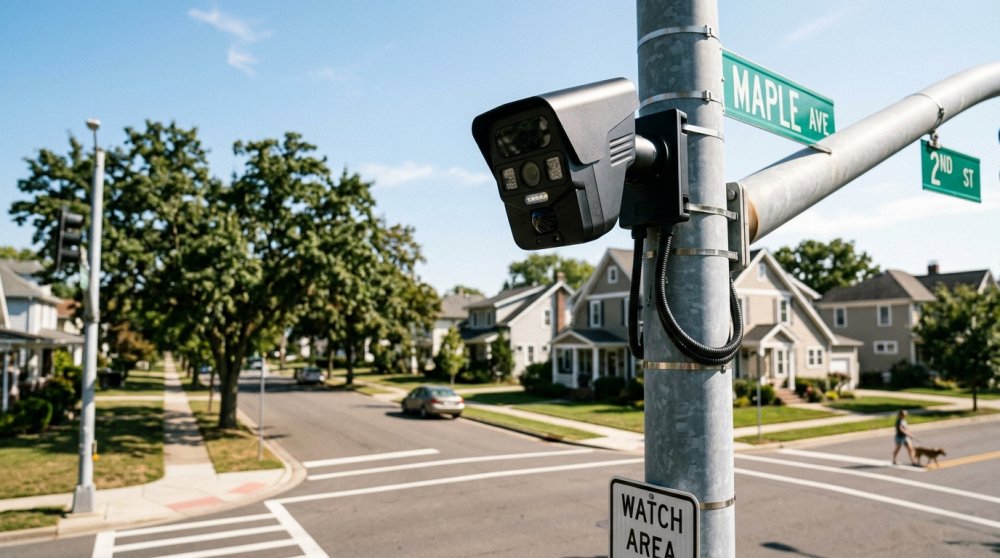
The surveillance systems, manufactured by Flock Safety, use license plate readers and artificial intelligence to track vehicles and create detailed databases of citizen movements. Local governments across the country have been approached to adopt the technology, often with promises of enhanced public safety and crime prevention.
No guardrails.
No regulations.
No "only if they really need to" pinky promises.It's a 4th amendment violation. Full Stop.
They are coming down.#Flock #DeFlock #Axon #Surveillance #AxonAxoff #fyp #trendingréels https://t.co/AwkqDLpqlG pic.twitter.com/FZ5oXhPjeR
— DeFlock (@therealDeFlock) August 13, 2026
However, residents and local officials are increasingly skeptical of these assurances. Privacy advocates warn that the technology creates a dangerous precedent where Americans can be tracked without probable cause or warrant, violating fundamental Fourth Amendment protections against unreasonable searches.
“People really don’t like to be watched,”
one local official stated, summarizing the sentiment driving rejections across multiple states.
The resistance spans diverse communities from small rural towns to larger suburban areas. Citizens attending local government meetings have voiced concerns about data security, potential abuse by law enforcement, and the broader implications of living under constant surveillance. Many see the cameras as a direct threat to American freedoms and the right to privacy.
Conservative civil libertarians have joined progressive privacy advocates in opposing the technology, creating unusual political coalitions united by concern for constitutional rights. The debate reflects broader tensions between technological capability and traditional American values of limited government intrusion into private life.
Critics point out that the data collected by these systems could be accessed by multiple agencies, sold to third parties, or hacked by malicious actors. There are also concerns about mission creep — technology installed for one purpose being expanded to track other activities or behaviors.
Some law enforcement agencies argue the cameras are valuable tools for solving crimes and locating stolen vehicles. However, opponents counter that effective policing should not require surrendering constitutional protections. They argue that Americans should not have to choose between security and liberty.
The rejections represent a significant grassroots movement against the expansion of surveillance infrastructure. Unlike top-down federal mandates, these AI camera systems require local approval, giving citizens direct input through town halls and city council meetings. In dozens of cases, when given the choice, Americans have said no.
This local resistance may slow the spread of AI surveillance technology nationwide. As more communities reject these systems, it sends a clear message to technology companies and government agencies: Americans value their privacy and will defend it at the ballot box and in public forums.
The trend also reflects growing awareness of how artificial intelligence and mass data collection can be weaponized against citizens. From social credit systems in authoritarian countries to domestic surveillance overreach, Americans are increasingly wary of technologies that track and monitor daily life.
Let us know what you think, please share your thoughts in the comments below.
