U.S. News
Supreme Court Hears Case That Could Shield Pesticide Makers From Lawsuits

Clear Facts
- The Supreme Court heard oral arguments Monday on whether federal labeling laws can block state lawsuits against pesticide manufacturers
- The case centers on Roundup weed killer and thousands of cancer lawsuits filed by Americans who claim the product caused their illnesses
- A ruling in favor of manufacturers could significantly limit citizens’ ability to seek compensation for alleged health damages from federally-approved pesticides
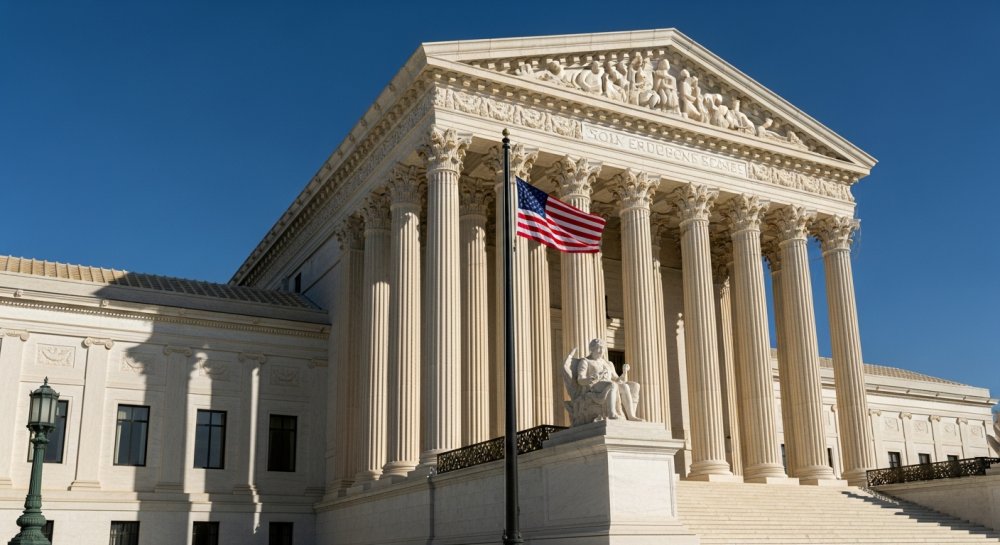
The Supreme Court of the United States considered Monday whether federal pesticide regulations should prevent Americans from holding manufacturers accountable in state courts for health claims. The case has drawn national attention as it could reshape legal liability for an entire industry.
At the heart of the dispute is Roundup, one of America’s most widely used weed killers. Thousands of lawsuits have been filed by individuals claiming the herbicide caused their cancer diagnoses.
The legal question before the justices is whether federal labeling requirements under the Federal Insecticide, Fungicide, and Rodenticide Act preempt state-level product liability claims. Manufacturers argue that EPA approval of their labels should shield them from further legal challenges in state courts.
Critics of this position warn that such a ruling would strip Americans of their traditional right to seek justice through state legal systems. They contend that federal approval doesn’t guarantee absolute safety and shouldn’t eliminate accountability when citizens believe they’ve been harmed.
The case represents a fundamental question about federalism and states’ rights. Conservative legal principles have historically supported limiting federal overreach while preserving state authority and individual liberty to pursue claims in court.
Previous jury verdicts have sided with plaintiffs in some Roundup cases, awarding substantial damages. A Supreme Court decision favoring manufacturers could overturn or prevent such outcomes nationwide.
The pesticide industry maintains that inconsistent state court rulings create an unworkable patchwork that undermines federal regulatory authority. They argue EPA review provides sufficient safety oversight.
However, Americans harmed by products that received federal approval have traditionally retained the right to prove their specific injuries in court. This principle of individual accountability has deep roots in American jurisprudence.
The Court’s decision, expected by summer, will have far-reaching implications for product liability law, consumer protection, and the balance between federal regulatory power and state legal systems. It will determine whether federal bureaucrats have the final word on product safety or whether American citizens retain their day in court.
Let us know what you think, please share your thoughts in the comments below.

Ed
April 28, 2026 at 12:42 pm
A decision against the manufacturers contention that they are shielded by federal approval could lead to the end of federal regulation in other areas and require each individual state to approve or disapprove of all product safety requirements, any EPA rulings, and any federal laws regarding medications.