World News
The Shadowy Pro-Pyongyang Network Operating Inside Japan Since 1955

Clear Facts
- Chongryon, a pro-North Korea organization, has operated in Japan since 1955 with extensive infrastructure including schools and businesses
- The organization maintains close ties to the North Korean regime and has been linked to espionage activities and illicit fund transfers
- Japanese authorities have increased scrutiny of Chongryon amid ongoing security concerns and North Korea’s nuclear weapons program
While most Americans focus on North Korea’s nuclear threats and missile tests, a powerful pro-Pyongyang organization has been operating openly in Japan for nearly seven decades. Chongryon, formally known as the General Association of Korean Residents in Japan, represents one of the most significant foreign influence operations in a key U.S. ally.
Established in 1955, Chongryon functions as North Korea’s de facto embassy in Japan, despite the two nations having no formal diplomatic relations. The organization oversees a vast network that includes dozens of Korean schools, credit unions, businesses, and cultural centers across the Japanese archipelago.
At its peak in the 1970s and 1980s, Chongryon wielded considerable influence over Japan’s ethnic Korean community, which numbers approximately 600,000 people. The organization operated as a state within a state, providing education, financial services, and social support to Korean residents while maintaining fierce loyalty to the Kim dynasty in Pyongyang.
Japanese security services have long monitored Chongryon for its alleged role in espionage and illicit activities. Investigators believe the organization has facilitated the transfer of funds and technology to North Korea, circumventing international sanctions designed to curb Pyongyang’s nuclear weapons program.
The organization’s network of Korean schools teaches a curriculum approved by North Korea, featuring portraits of Kim Il-sung and Kim Jong-il in classrooms and promoting loyalty to the regime. These schools have faced declining enrollment as younger generations of ethnic Koreans in Japan increasingly integrate into mainstream Japanese society.
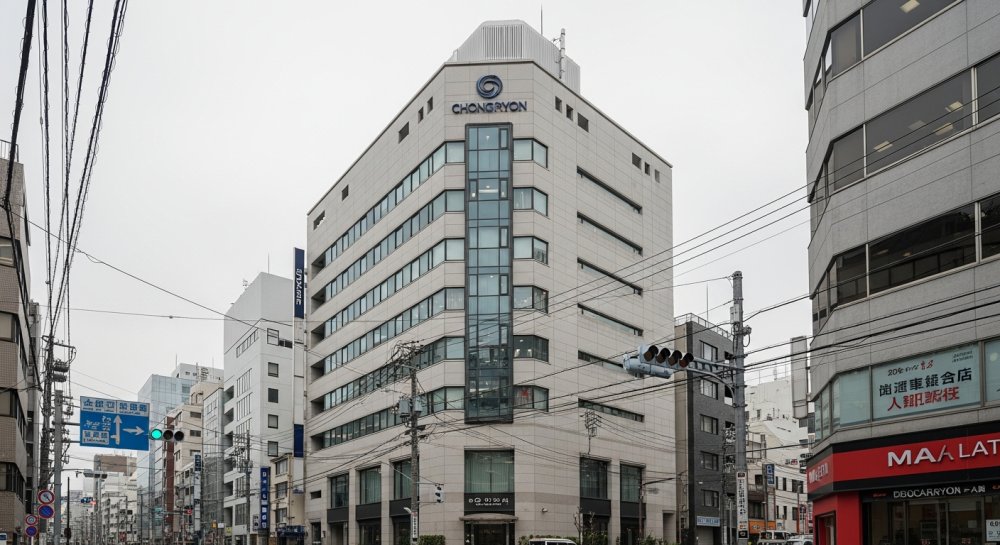
Chongryon’s influence has diminished significantly since its heyday, weakened by North Korea’s economic struggles, generational changes among Korean-Japanese residents, and increased Japanese government pressure. However, the organization maintains headquarters in Tokyo and continues to advocate for North Korean interests.
The persistence of such a pro-authoritarian organization within a democratic U.S. ally raises important questions about foreign influence operations and national security. As tensions with North Korea continue and China expands its regional ambitions, understanding these networks becomes increasingly crucial for American policymakers.
Japanese authorities have conducted multiple raids on Chongryon facilities over the years, investigating allegations ranging from tax evasion to involvement in North Korean abductions of Japanese citizens during the 1970s and 1980s. These abductions, later acknowledged by Pyongyang, remain a deeply sensitive issue in Japan-North Korea relations.
The organization’s future remains uncertain as its membership ages and younger Korean-Japanese increasingly identify with Japanese culture rather than the North Korean regime. Yet Chongryon’s nearly 70-year history demonstrates how authoritarian governments can maintain influence operations in free societies through community organizations and cultural institutions.
Let us know what you think, please share your thoughts in the comments below.
