Health
CDC committee decides who gets COVID-19 vaccine first

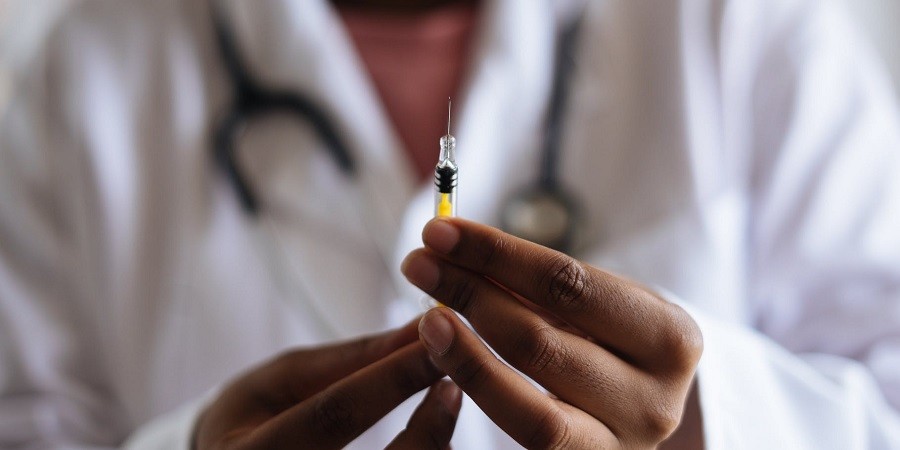
- The CDC’s advisory panel has announced their recommendations on who to prioritize for the early rounds of COVID-19 vaccination: healthcare workers and residents of senior care facilities.
- Since the first rounds of doses are limited to only about 20 million, officials are forced to ration the shots to those who are most in danger of contracting the disease.
- The first vaccinations are set to start in the middle of December, while the rest of the public may have to wait until the spring for mass availability.
The Advisory Committee on Immunization Practices (ACIP) of the Centers for Disease Control and Prevention (CDC) has voted on Tuesday regarding COVID-19 vaccine prioritization. The 15-member panel of medical experts decided that healthcare workers and residents of senior care facilities should be prioritized.
Pfizer and Moderna, the two current vaccine manufacturers, are estimated to produce about 20 million doses by the end of this year. The limited amount in these early stages of production has forced officials to discuss the rationing of the shots, which are expected to start in the middle of December.
The two named priority groups are estimated to include about 23 million Americans.
The ACIP is a panel of medical experts whose recommendations have been widely heeded by doctors since the committee was founded in 1964. The CDC director almost always follows their advice.
They are still only recommendations, however, and non-mandatory. It will still be up to the state officials to decide on how to proceed.
The panel’s vote comes a day after Moderna became the second manufacturer to ask the Food and Drug Administration (FDA) for emergency clearance for its COVID-19 vaccine.
The agency will meet on Dec. 10 to discuss Pfizer’s application and on Dec. 17 for Moderna’s application.
As to who’s next in line, the ACIP will be meeting at a later date to discuss this. Some possibilities include first responders such as firefighters and police officers, essential workers such as teachers and food industry workers, and those with underlying health conditions.
According to several experts, it may not be until the spring before the vaccine becomes widely available to the rest of the public. For now, priority recipients are those who are most in danger of contracting the disease.
Source: New York Post
