World News
Rubio Faces Tough Questions From Gulf Allies Over Iran Agreement

Clear Facts
- Secretary of State Marco Rubio is meeting with Persian Gulf leaders this week to address concerns about the U.S.-Iran Memorandum of Understanding
- Gulf allies are expressing skepticism about the peace deal negotiated with Iran
- Rubio has maintained a notably low profile throughout the Iran negotiations compared to his usual public presence
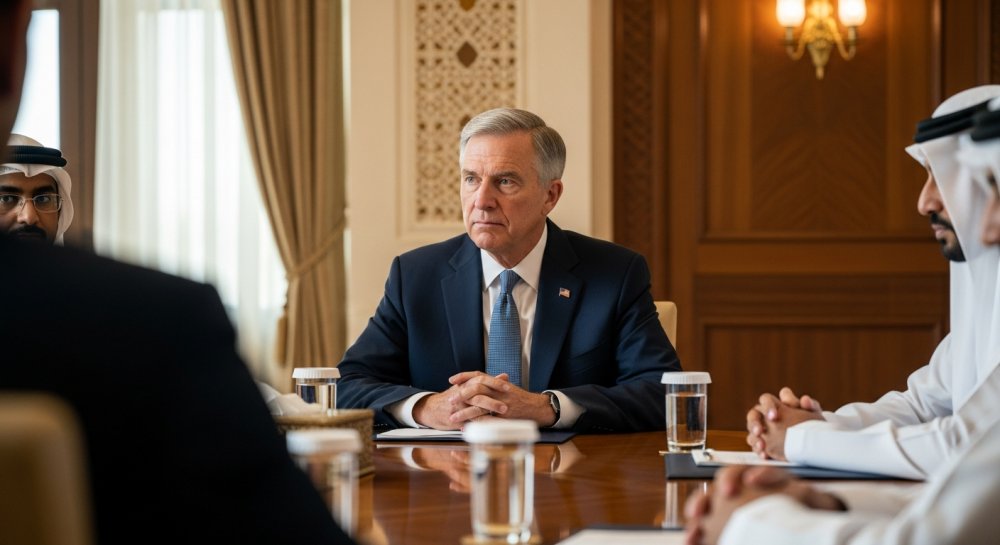
Secretary of State Marco Rubio arrived in the Persian Gulf region this week for critical diplomatic meetings as America’s longstanding allies in the region demand answers about the controversial Memorandum of Understanding with Iran. The trip comes as Gulf state leaders express growing concerns about the implications of the deal for regional security and stability.
Rubio’s meetings with Gulf leaders on Tuesday and Wednesday mark his most visible engagement in the Iran deal discussions. His uncharacteristic low profile during the MOU negotiations has raised questions among both allies and observers about the administration’s diplomatic strategy.
The Gulf states have historically viewed Iran as their primary regional threat, and any agreement that potentially strengthens Tehran’s position creates immediate security concerns for these American partners. Saudi Arabia, the United Arab Emirates, and other Gulf nations have expressed reservations about provisions in the memorandum and their long-term implications for Middle Eastern power dynamics.
The Secretary of State’s mission is to reassure these critical allies that American commitment to their security remains unchanged despite the diplomatic outreach to Iran. These Gulf nations host vital U.S. military installations and have been essential partners in counterterrorism operations and regional stability efforts for decades.
Questions surrounding the Iran agreement include concerns about verification mechanisms, the timeline for implementation, and potential sanctions relief that could provide Tehran with increased resources. Gulf allies are seeking concrete assurances that the deal will not embolden Iranian regional ambitions or compromise their national security interests.
The timing of Rubio’s trip underscores the urgency of maintaining coalition unity even as the administration pursues diplomatic channels with Iran. Balancing these relationships requires careful diplomacy and clear communication about American strategic priorities in a region that remains central to global energy markets and national security interests.
Let us know what you think, please share your thoughts in the comments below.
