U.S. News
Pearl Harbor Breakthrough: DNA Science May Finally Bring 150 Heroes Home

Clear Facts
- Nearly 150 Pearl Harbor casualties could finally be identified through advanced DNA technology after Defense POW/MIA Accounting Agency reached critical milestone
- The USS Oklahoma, capsized during the 1941 attack, accounted for 429 of the 2,403 American deaths at Pearl Harbor
- Scientists have now processed genetic samples from all living families connected to the unidentified remains, enabling potential matches
After more than eight decades, families of American heroes lost at Pearl Harbor may finally receive the closure they have long deserved. The Defense POW/MIA Accounting Agency (DPAA) announced a breakthrough that could lead to the identification of nearly 150 servicemembers who made the ultimate sacrifice on December 7, 1941.
“We hit a major milestone,” DPAA officials confirmed, marking the completion of genetic sample collection from all known living relatives of the unidentified Pearl Harbor casualties.
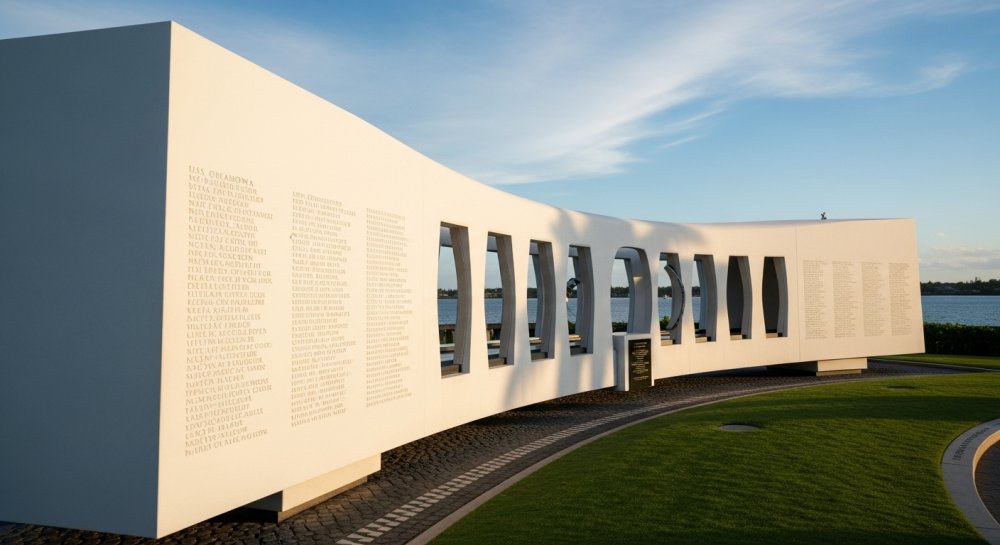
The USS Oklahoma bore particularly heavy losses that fateful morning. When Japanese forces launched their surprise attack, the battleship capsized, trapping hundreds of sailors and Marines inside. Of the 2,403 Americans killed at Pearl Harbor, 429 perished aboard the Oklahoma alone.
For decades, many of these warriors remained unidentified, their final resting places unknown to their families. Traditional identification methods proved insufficient given the catastrophic nature of the attack and the condition of the remains.
Modern DNA technology has changed everything. The DPAA has systematically worked to collect genetic samples from living family members, building a comprehensive database that can be matched against DNA extracted from the remains of unidentified servicemembers.
The milestone represents years of painstaking outreach to families across the nation. Genealogists and military historians worked together to trace family lines, locate descendants, and explain the importance of their participation in the identification effort.
This scientific advancement offers something previous generations could never provide: definitive answers. Families who have wondered for a lifetime about their loved ones’ final moments may soon know with certainty where their heroes rest.
The identifications, when completed, will allow for proper military funerals and burials. Many families have maintained hope across three and four generations that their sailor or Marine would one day come home.
The attack on Pearl Harbor thrust America into World War II and galvanized a generation to defend freedom. President Franklin D. Roosevelt called it “a date which will live in infamy,” and the sacrifice of those 2,403 Americans became a rallying cry for the nation.
The DPAA continues its mission to account for all missing American servicemembers from past conflicts. Their work honors the promise made to every person who wears the uniform: we will never leave you behind, and we will never forget.
As the last Pearl Harbor survivors reach their final years, this breakthrough takes on added significance. The living witnesses to that day of infamy are nearly gone, but the debt owed to the fallen remains eternal.
Let us know what you think, please share your thoughts in the comments below.
