U.S. News
Jobs Report Delivers Blockbuster Growth

Clear Facts
- Employers added 162,000 jobs in August, far exceeding the 53,000 expected
- The unemployment rate held steady at 4.1 percent
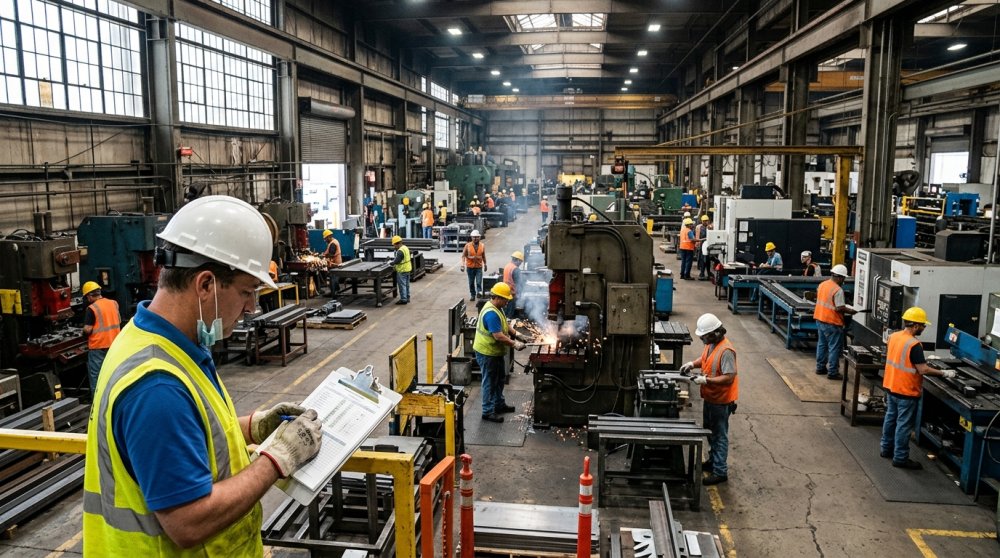
- Manufacturing jobs have risen 58,000 since December
American employers added 162,000 jobs in August, crushing forecasts of 53,000. The unemployment rate stayed unchanged at 4.1 percent.
July’s originally reported decline of 23,000 jobs was revised upward to a gain of 21,000. Job gains in August were led by education, manufacturing, construction, food service, and healthcare.
Education added 42,000 jobs as schools reopened. Manufacturing continued its climb with 16,000 new positions, bringing the total increase since December to 58,000.
Construction employment rose by 22,000. Healthcare added 13,000 jobs. The food and beverage industry posted the largest single-month gain, up 59,000 positions.
Average hourly earnings increased 0.3 percent to $37.75. Over the past twelve months wages have risen 3.1 percent.
President Donald Trump’s National Economic Council Director Kevin Hassett told CNBC, “This number was way, way better than I expected. … We went back and looked and 77 people posted their forecast at Bloomberg, and this blew past everybody. … It’s really a blockbuster number.”
Hassett credited the strong results to the administration’s policies. “Capital spending is through the roof. It’s getting set to about double since President Trump took office relative to GDP and you’re seeing the construction of factories through the roof,” he said.
Hassett said tariffs and full-expensing tax rules are driving companies to invest at home. “The expensing is making people want to invest like crazy, which is creating construction jobs,” he added.
Under the administration’s “Big Beautiful Bill,” companies can expense 100 percent of new equipment costs in the first year. Trump posted on Truth Social, “Great jobs number just announced, breaking all estimates (except mine!). … Lower the interest rates because the U.S.A. is a much stronger credit than it was just a short time ago!”
Hassett noted that the Federal Reserve may hold off on rate hikes given the strong growth. “In his most recent statements as [Fed] Chairman [Kevin] Warsh, he thinks that you really got to keep your eyes focused like a hawk on inflation and that if you’ve got growth that’s supply side then it doesn’t necessarily mean you have to raise rates, it’s the same thing that Greenspan believed,” he said.
Roughly $10 trillion in federal debt matures in 2026. Lower rates would reduce refinancing costs. The Fed must still weigh the risk that easier policy could reignite inflation, which has stayed above the 2 percent target for more than five years.
Let us know what you think, please share your thoughts in the comments below.
