World News
American Rockets Strike Iranian Territory Despite Ceasefire Claims

Clear Facts
- American-made rockets reportedly struck targets inside Iran amid ongoing ceasefire negotiations
- The attacks raise serious questions about the effectiveness and enforcement of the so-called ceasefire agreement
- Iranian officials have not yet confirmed the extent of damage or casualties from the reported strikes
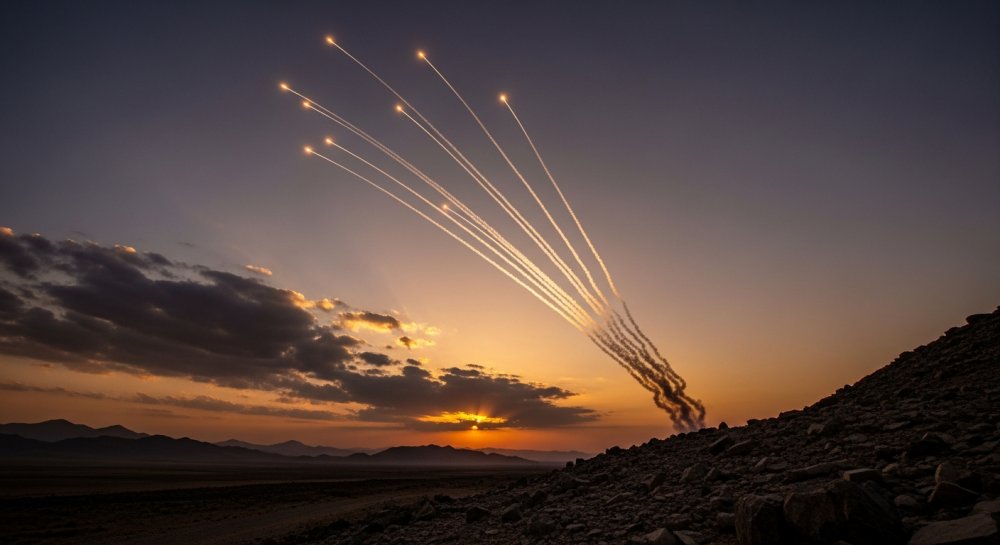
American-made rockets have reportedly struck Iranian soil despite claims of an active ceasefire, according to emerging reports from the region. The strikes mark a significant escalation in regional tensions and call into question the validity of ceasefire agreements currently in place.
The reported attacks come at a critical moment in Middle Eastern diplomacy, as various parties have claimed progress toward de-escalation. However, the reality on the ground tells a different story, with military action continuing despite public statements suggesting otherwise.
A senior US official tells me that it was a US military strike on Iran’s Qeshm port and Bandar Abbas moments ago but added this is NOT a restarting of the war or end to the ceasefire.
The strike on one of Iran’s oil ports comes two days after Iran fired 15 ballistic and cruise… https://t.co/tAcmuSbd51
— Jennifer Griffin (@JenGriffinFNC) May 7, 2026
Details about the specific targets and the extent of damage remain limited as Iranian authorities have been slow to release information about the strikes. Military analysts suggest the attacks may have targeted strategic infrastructure or military installations, though official confirmation has not been provided.
The timing of these strikes raises important questions about the enforcement mechanisms of the ceasefire and whether all parties involved are genuinely committed to peace. For American conservatives who prioritize national security and skepticism of Middle Eastern agreements, this development reinforces longstanding concerns about the region’s stability.
Regional experts point out that ceasefires in the Middle East have historically been fragile, often serving more as political cover than actual peace agreements. The reported use of American weaponry in these strikes adds another layer of complexity to an already volatile situation.
Intelligence sources suggest that the attacks may be part of a broader pattern of military activity that continues despite diplomatic rhetoric. This disconnect between public statements and military action is not uncommon in Middle Eastern conflicts, where multiple proxy forces and competing interests complicate peace efforts.
The situation highlights the ongoing challenges of achieving lasting peace in a region marked by deep-seated rivalries and competing national interests. American policymakers will need to carefully assess whether current ceasefire agreements are worth the paper they’re written on or if a more realistic approach to regional security is required.
As this story develops, questions about American involvement, the credibility of ceasefire agreements, and the future of regional stability remain at the forefront. The gap between diplomatic announcements and military reality continues to widen, raising concerns about the effectiveness of current peace initiatives.
Let us know what you think, please share your thoughts in the comments below.
